
A late-model used car can offer equipment and comfort without the price of an equivalent new vehicle. But a lower asking price doesn’t establish value on its own. Familiar buying myths can distract from condition, sale terms and future costs. When browsing listings, the sticker is only the start.
Private sale is always cheaper
Private listings often look cheaper at first glance. The asking price is lower because there’s no lot and no warranty costs built in.
That gap shrinks fast when something fails a month later. Private sales usually don’t include a statutory warranty, so the buyer pays for parts and labor. A single transmission or cooling system fault can wipe out a thousand dollars in savings in one shop visit.
There’s also less comeback if the description was wrong. WA Consumer Protection explains that licensed dealer sales carry consumer guarantees and dealers can only sell cars with no money owing. Private sales do not carry the same consumer guarantees. That doesn’t mean private cars are bad buys. It means the price needs to cover extra risk and checks.
Treat due diligence as part of the price when comparing private and dealer cars. A history report and an independent inspection cost a little now. They protect against a repair bill that costs a lot later.
Haggling is the only way to get value
Many buyers think a good deal must involve a long back-and-forth. If the seller won’t drop the price, they walk away and feel cheated.
That instinct can backfire. A fixed, no-haggle price isn’t good or bad on its own. It’s only fair when it lines up with current market data. Buyers in Australia often check RedBook or Glass’s Guide for that reason. Valuation guides provide estimates under their stated assumptions, giving buyers a reference outside the seller’s asking price. They do not establish the completed sale price or condition of a particular car.
A useful car sale comparison includes repairs, registration, insurance and time alongside the asking price. Fixed pricing removes negotiation over the advertised vehicle price, but buyers still need written confirmation of fees, inclusions and any separate trade-in figure.
Trade-in numbers deserve the same test. Buyers get a clearer picture by pricing the trade-in separately from the purchase price.
Numbers that don’t line up are a reason to walk away.
Low mileage means a better car
Mileage gets too much weight. A low number on the dash feels safe, but it doesn’t say how those kilometers were done.
A car that spent years in stop-start traffic with short trips can have more wear on brakes and transmission than a higher-mileage car that cruised on highways with regular oil changes. Different trip patterns stress different components. Neither a highway history nor low-distance urban use establishes current condition without maintenance records and an inspection.
Service history matters more than the number. Stamped books and digital logs show regular care. Gaps in records or a dash reading that doesn’t match wear on seats and pedals should raise questions. Odometer tampering still happens, so buyers shouldn’t trust the display alone.
The clearest record is worth looking for. A low reading alone offers less reassurance.
A short test drive tells the full story
A shiny exterior can hide wear underneath. Paint and detailing don’t prove mechanical care.
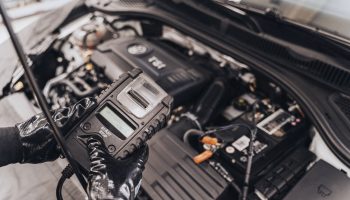
A short drive cannot rule out faults. It won’t show slow oil leaks or a transmission that slips only when hot. It also won’t show past accident repairs that were filled and painted well. Suspension wear and hidden faults need a lift and a scan tool in trained hands.
That is where an independent pre-purchase inspection can provide information a drive cannot. A licensed mechanic checks the car on behalf of the buyer, not the seller. A PPSR search identifies registered security interests and may include recorded written-off and stolen status. It does not show odometer readings or the amount of debt. Service invoices and other records are separate evidence to review.
Get the inspection results in writing before committing. Dealer checks vary a lot. A basic safety check isn’t the same as a documented multi-point program. Certified programs cost more. Buyers should ask what was checked and keep a copy before paying a deposit.
Dealer finance and warranties are never worth it
Dealer finance has a bad name. Some buyers won’t even hear the quote because they assume the bank is always cheaper.
Compare loans on rate and total cost
Sometimes the bank is cheaper. Sometimes it isn’t. Dealer-arranged credit is another offer to assess rather than accept or reject automatically. Matching the amount, term, comparison rate, fees and final balance makes written quotes easier to compare.
Conditional pre-approval can provide a comparison point, but a full written quote is still needed. Total scheduled repayments, including any balloon, are different from an early payout balance. Neither a monthly payment nor a headline rate captures every fee and condition.
Read the warranty paper, not the pitch
The same logic applies to warranties. A vague promise means little. A written warranty that lists covered parts, time limits, claim steps and repair rules means a lot.
That document deserves a careful read. What’s covered? The time limit matters. So does who handles repairs. Without paperwork, the warranty is only talk.
This matters because purchase price isn’t the full cost. Registration, insurance, servicing and fuel often outweigh sticker savings over years of ownership. With online buying and nationwide delivery now common, paperwork and photos matter more than ever.
Good used-car buying starts with checking condition and price before signing. The lowest sticker alone doesn’t establish value.