
close

July 2025

Car Services

Beyond the Routine: Car Services as the Pathway to Lasting Performance

Introduction

The modern vehicle is a marvel of engineering—an intricate fusion of art, science, and convenience. Yet, even the most sophisticated car is only as dependable as the quality of care it receives. No longer confined to mere mechanical maintenance, car services now embrace a holistic philosophy—one that encompasses proactive preservation, technological fluency, and genuine client partnership. For discerning motorists, understanding and leveraging contemporary car services is the key to effortless journeys, enduring value, and a deeply satisfying ownership experience.

The Foundations: Maintenance as Mastery

Embracing Preventative Care

Routine maintenance has evolved from a checklist to a cornerstone of automotive longevity:

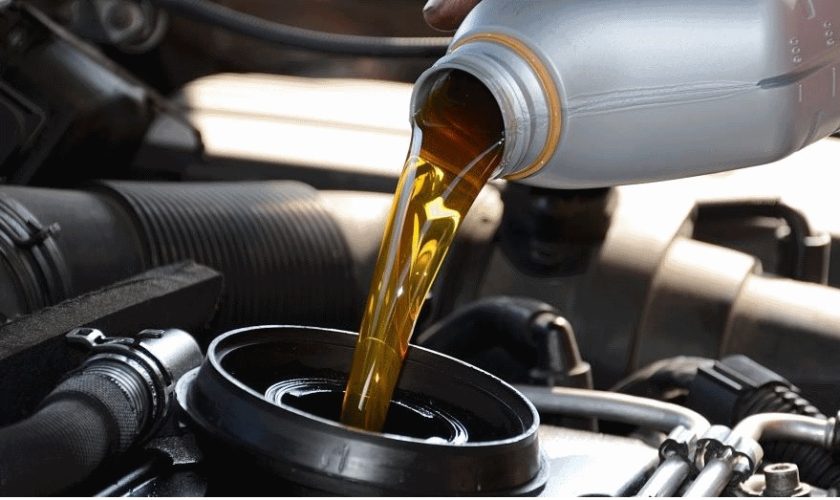
  • Scheduled oil and filter changes protect the heart of the engine, ensuring smooth operation and guarding against premature wear.

  • Tire management—rotation, alignment, and balancing—not only extends tread life but also hones handling and enhances safety.

  • Fluid top-offs and replacements for coolant, brakes, transmission, and steering systems keep all moving parts in prime condition.

Proactive attention to these basics sidesteps unexpected breakdowns, reinforcing confidence for every trip.

The Rise of Diagnostic Precision

Contemporary vehicles are as much digital as they are mechanical. Car services have risen to meet this complexity:

  • Onboard diagnostics (OBD-II scanning) catch issues before symptoms ever appear.

  • Electronic system checks monitor everything from emission controls to advanced safety features, minimizing risk and downtime.

Expert technicians blend technical acumen with state-of-the-art equipment, delivering insights that empower informed decisions.

The Service Provider: Choosing Craft and Character

Credentials That Matter

True excellence is achieved not by tools alone, but through the hands and minds wielding them:

  • Manufacturer-certified technicians guarantee training aligned with the latest industry standards.

  • Transparent communication—clear cost estimates, detailed invoices, and honest advice—are the hallmarks of trustworthy providers.

Evaluate a workshop’s approach: a clean, organized environment, modern diagnostic stations, and attentive staff are signs of a service culture that values both car and client.

Personalized Attention and Amenities

Great car services extend beyond repairs:

  • Tailored maintenance plans account for driving habits, climate, and the vehicle’s unique needs.

  • Convenience offerings such as online booking, vehicle pick-up/delivery, courtesy cars, and comfortable lounges reflect an understanding of today’s busy lifestyles.

A provider’s willingness to adapt and customize affirms their commitment to lasting relationships, not just transactions.

Expanding the Definition: Advanced and Specialty Car Services

The Era of Predictive Maintenance

Leading car services are embracing intelligent, data-driven care:

  • Telematics and service reminders harness real-time data to predict when components require attention, moving from reactive fixes to strategic scheduling.

  • Wearable diagnostics on key parts such as brakes or serpentine belts can alert owners before minor wear becomes major failure.

These innovations grant peace of mind, saving money and averting inconvenience.

Beyond Mechanics: Preserving Form and Function

Comprehensive car services include:

  • Professional detailing—deep cleaning, waxing, and interior restoration that extends the life and allure of every surface

  • Paint and glass protection—ceramic coatings and films to guard against the elements, UV rays, and road debris

  • Custom upgrades—installation of dash cams, parking sensors, entertainment systems, and tech retrofits to personalize and future-proof the driving experience

Sustainable Practices and the Green Revolution

Eco-consciousness has found its place in car care:

  • Responsible recycling of fluids, batteries, and tires minimizes environmental impact.

  • Re-manufactured parts offer sustainable, cost-effective alternatives without sacrificing reliability.

  • Hybrid and electric car expertise—specialized technicians and tools to service new propulsion technologies, ensuring all owners are well supported in the transition to a cleaner future.

Owner Participation: The Empowered Approach

Building a Maintenance Mindset

Engaged owners multiply the benefits of professional care:

  • Maintain a detailed service log—recording every visit, warranty, and upgrade.

  • Respond quickly to new noises, indicator lights, or performance changes.

  • Know your vehicle’s recommended intervals for fluid changes, belt replacements, and inspections—either through the owner’s manual or a tailored digital app.

The Value of Relationship

Partnership with a trusted provider deepens over time:

  • Regular visits foster technician familiarity with your car’s quirks and history.

  • Many service centers reward loyalty with priority bookings, discounts, and personalized recommendations.

  • Open dialogue ensures that evolving needs—be it long-distance travel, winter readiness, or vehicle upgrades—are always addressed with expert care.

Technology and Convenience: The New Face of Car Services

Digital Integration

Modern services have embraced a connected future:

  • Online appointment scheduling—book, reschedule, and track visits through intuitive apps or websites.

  • Digital vehicle health reports—detailed, photo-rich overviews delivered straight to your device.

  • Remote diagnostics and mobile servicing—for select issues, some providers now offer at-home or on-location solutions, minimizing disruption.

Transparent Communication

From video walkarounds to real-time repair updates, clarity is prioritized:

  • Receive photos of worn parts before approval.

  • Detailed breakdowns of recommended repairs versus urgent needs ensure every decision is well-informed.

Table: Essential Car Services Overview

Service Purpose Recommended Frequency
Oil & filter change Engine protection & efficiency Every 5,000–10,000 km
Tire rotation & alignment Safety, tread life, smooth ride Every 10,000 km
Brake inspection Safe stopping, wear monitoring Every 20,000 km
Battery check Reliable starting, system health Annually or as needed
Fluid top-up/flush System reliability (coolant, brakes) Per maintenance schedule
Digital diagnostics Fault detection, system performance Annually or with warning
Detailing & protection Preserve aesthetics & resale value As desired/seasonally
Software updates Technology and safety optimization Per manufacturer notices

Conclusion

In the ever-advancing world of mobility, car services have emerged as vital allies—blending mechanical precision, digital fluency, and a dedication to owner empowerment. Far from being a periodic inconvenience, thoughtful car care is a mark of discernment—transforming vehicles into allies of ambition and pleasure, mile after fulfilled mile. By choosing qualified professionals, embracing a culture of preventive and predictive maintenance, and staying attuned to both technological advancement and environmental responsibility, every driver secures not just a journey, but a refined, enduring partnership with the open road.


read more
Auto Parts

Inner Workings, Outer Transformation: The Constellation of Modern Auto Parts

Introduction

Beneath the elegance of every vehicle’s exterior exists an unseen marvel—a meticulously orchestrated system of auto parts. These components, in their silent operation, hold the keys to safety, durability, and performance. They deserve celebration not only for their utility but for the intricate engineering and innovation they embody. In this exploration, we uncover the sophisticated world of auto parts, offering clarity and appreciation for the architecture that enables every drive.

The Framework: Foundations of Strength and Direction

The Chassis – The Vehicle’s Backbone

  • The chassis provides the primary structure, bearing the stress of motion and supporting every other system.

  • Unibody and ladder frames offer distinct advantages—unibody construction is favored for rigidity and fuel efficiency, while ladder frames afford rugged durability for trucks and SUVs.

  • Integrated crumple zones and reinforcement beams distribute impact energy, providing a first—and often unseen—layer of safety.

Body Panels and Structure

  • Cars blend engineering artistry and protection through body panels: hoods, fenders, doors, and bumpers.

  • Materials range from traditional steel to lightweight aluminum and reinforced polymers, each chosen for unique balances of performance, protection, and charm.

  • Modern assembly nuances—tight panel gaps, hidden fasteners, and sculpted lines—speak to precision manufacturing and contribute to efficiency through fine-tuned aerodynamics.

The Pulse of Movement: Powertrain Excellence

Heart of the Machine – The Engine

  • Engines house an exquisite ballet of pistons, camshafts, timing chains, and valves to convert fuel (or electricity) into controlled motion.

  • Advances such as direct injection, turbocharging, and hybrid drive modules extract greater power from less fuel, embodying the relentless pursuit of efficiency without sacrifice.

  • Ancillary systems—radiators, oil pumps, and electronic control units—work quietly in concert, protecting and managing the engine’s vital signs.

Transmission and Drivetrain

  • Transmissions, automatic and manual alike, translate raw power into smooth acceleration and adaptable speed.

  • Gearboxes, differentials, and constant velocity (CV) joints distribute torque across axles, adapting to changing terrain or driving conditions without fuss.

  • All-wheel- and four-wheel-drive systems, managed by sophisticated transfer cases, provide security on uncertain roads.

The Guardians: Mastering Safety and Control

Braking Assemblies

  • Modern braking systems merge hydraulic precision with advanced electronics—disc and drum brakes are now coupled with anti-lock braking systems (ABS) and electronic brake-force distribution.

  • Brake pads, rotors, calipers, and master cylinders must harmonize to deliver progressive, reliable stops.

  • Automated emergency braking, now increasingly common, blends sensors and actuators to anticipate and mitigate risks before drivers can react.

Suspension and Steering

  • Shocks, struts, springs, and bushings insulate occupants from road harshness while maintaining tire contact and stability.

  • Suspension geometry—control arms, anti-roll bars, ball joints—curates the delicate interplay between comfort and cornering confidence.

  • Steering systems, from traditional hydraulic to electric power assist, convert subtle hand movements into effortless guidance.

The Silent Conveniences: Comfort, Climate, and Quietude

Interior Systems

  • HVAC (heating, ventilation, air conditioning) modules employ compressors, blowers, evaporators, and filters to ensure an ideal climate regardless of season.

  • Electric seat adjusters, lumbar supports, and multifunction steering wheels enhance bespoke comfort.

  • Central locking, power windows, and trunk releases rely on an elaborate array of small motors, relays, and microchips.

Sound, Light, and Visibility

  • Headlights have evolved from sealed beams to adaptive LEDs, offering crisp vision and lower energy consumption.

  • Sensors automate wipers, headlamp activation, and dimming, creating a serene, self-adjusting environment for drivers.

  • Acoustic materials inside doors, roof, and floor linings tame road and wind noises, elevating even the humblest ride.

The Digital Nerve: Electronics and Driver Assistance

Electronic Control Units and Sensor Arrays

  • Modern vehicles boast a multitude of interconnected control units governing everything from engine timing to seatbelt tension.

  • Sensors monitor speed, tire pressure, surroundings, and even passenger posture, offering real-time adjustments for both efficiency and safety.

  • Advanced driver-assistance systems (ADAS) integrate cameras, radar, and ultrasonics to provide features like blind-spot warnings, lane keeping, and adaptive cruise control.

Infotainment and Connectivity

  • Touchscreens, digital dashboards, and integrated navigation blend entertainment with vital vehicle data.

  • Voice recognition, smartphone projection, and wireless charging marry convenience with minimal distraction.

The Cycle of Renewal: Maintenance and Consumables

Regular Upkeep—The Unsung Heroes

  • Consumables such as oil, coolant, brake pads, filters, and wiper blades are the steady guardians of longevity.

  • Routine inspection and timely replacement prevent greater systemic failures, preserving performance and peace of mind.

  • Tires remain the only interface between vehicle and road; proper rotation, alignment, and inflation cannot be overstated.

Table: Core Auto Parts and Their Quiet Significance

Auto Part Principal Function Subtle Nuance
Chassis Structural support Sets the foundation for dynamics
Engine Power generation Optimized for efficiency, smoothness
Transmission Modulates and distributes power Seamless gear transitions
Suspension Comfort and stability Adapts to terrain and driving style
Brakes Stopping and control Integrated safety features
ECU & Sensors System coordination Anticipates needs and hazards
Interior Features Comfort and convenience Customizability and quiet operation
Tires Grip and command Influences handling, economy

Innovation and Customization: Personalization in Parts

  • The aftermarket world enables drivers to enhance performance, personalization, or comfort—upgraded air filters, suspensions, infotainment systems, and bespoke trim elements allow unique expression.

  • Eco-conscious consumers increasingly opt for remanufactured or recycled components, merging responsibility with economy.

Selecting with Intelligence

  • Genuine (OEM) parts provide assurance of fit and reliability, especially for critical systems.

  • Reputable suppliers and certified installers safeguard warranty and safety, particularly for safety, powertrain, and electronic upgrades.

  • For enthusiasts, professional advice balances innovation with integrity, ensuring upgrades enhance rather than compromise the vehicle.

Conclusion

Respecting auto parts means honoring the invisible craft, insight, and evolution embedded in every mile. Each drive is guided by an assembly forged from relentless experimentation, global expertise, and quiet genius. Informed stewardship—through mindful choice, attentive care, and a dash of personalization—ensures that every vehicle remains more than transport: it becomes an enduring testament to discipline, ingenuity, and tasteful pride on the open road.

read more
Auto Dealer

The New Face of Mobility: Reimagining the Role of the Auto Dealer

Introduction

To many, the phrase “auto dealer” may once have conjured images of bustling lots and high-pressure salesmen. Today, the role has matured into something far more sophisticated—an intersection where expertise, transparency, and personalized service converge to guide each customer through an increasingly complex automotive landscape. In an age where choice is boundless and technology evolves with exhilarating speed, the modern auto dealer serves not just as a vendor, but as a trusted navigator, a brand ambassador, and a curator of the mobility experience.

The Modern Auto Dealership: Beyond the Transaction

From Seller to Advisor

Gone are the days when auto dealers were merely intermediaries. Today’s best are seasoned consultants:

  • Personalization: Dealers invest time in understanding each customer’s unique needs, daily routines, and future ambitions.

  • Diverse Portfolio: Offerings include not just gasoline-powered vehicles, but an expanding selection of electric, hybrid, and specialty models.

  • Education: Advisors help demystify advanced features—driver-assistance technologies, digital connectivity, and green credentials—so clients can make an informed choice with confidence.

A Hub of Community and Connection

Leading auto dealers are embedded within their communities, fostering loyalty and connection well beyond the showroom:

  • Hosting local events, eco-driving clinics, and family days

  • Partnering with charitable causes and youth initiatives

  • Offering loyalty programs and personalized communications to keep clients engaged

Anatomy of the Distinguished Dealership

The Human Touch

A superior dealership is built upon its people:

  • Product specialists: Trained to a high standard, these individuals blend technical knowledge with empathy and patience.

  • Finance consultants: Demystify loan structures, leasing terms, and protection packages, ensuring clients feel empowered rather than overwhelmed.

  • Service teams: Certified technicians and attentive aftersales advisors remain on hand for ongoing care, maintenance, and customer support.

Space as Experience

Modern showrooms are welcoming and thoughtfully designed:

  • Open plan layouts and natural light put visitors at ease

  • Test drive experiences mimic real-life scenarios, not predetermined routes

  • Comfortable lounges, quiet zones, and refreshments create a hospitable atmosphere for both short visits and longer explorations

Digital Transformation

The dealership thrives equally in the digital realm:

  • Virtual showrooms, live chat experts, and online configurators allow exploration before stepping onsite

  • Online scheduling, paperwork, and financing options provide seamless continuity and transparency

  • Digital documentation streamlines the delivery and service experience, ensuring clarity and convenience

The Customer Journey: A Curated Process

Needs Discovery and Vehicle Matching

The journey begins with a nuanced conversation:

  • Advisors ask targeted questions about driving habits, lifestyle changes, and technological preferences

  • A curated shortlist is presented—chosen for fit and value, not manufacturer quotas

  • Demonstrations highlight both the tangible and digital features, empowering decision-making

The Test Drive: Beyond Mechanics

  • Clients are encouraged to try vehicles in a range of conditions—urban, rural, and at speed

  • Advisors point out signature features, answer technical queries, and adjust routes based on customer interest

Appraisal and Trade-in

  • Vehicles are appraised transparently using market-comparable data and a walk-through evaluation, with findings openly discussed

Transparent Negotiation

  • Detailed, itemized quotes explain every fee, rebate, or incentive

  • Consultants avoid pressure tactics, focusing instead on building lasting confidence

The Delivery Ceremony

  • Cars are presented expertly detailed, with digital and practical features explained

  • Clients receive introductions to the service team and tips for first weeks of ownership

  • Personalized thank-yous, practical gifts, and follow-up communications reinforce the start of a long-term relationship

Sustaining Trust: Aftersales as Signature

Service for the Long Run

  • Proactive reminder systems, convenient service scheduling, and detailed technician reports form the backbone of a lifetime relationship

  • Open channels for feedback and swift resolution of issues reinforce the client’s value

Community and Learning

  • Periodic workshops, new model launches, and owner appreciation events build loyalty and increase automotive literacy

Table: Comparing Traditional vs. Modern Auto Dealer Qualities

Aspect Traditional Model Modern Auto Dealer
Sales Tactics Pushy, price-focused Consultative, client-focused
Vehicle Selection Inventory-limited Diverse, curated for lifestyle fit
Service Philosophy Reactive, episodic Proactive, ongoing engagement
Digital Integration Minimal Extensive—virtual, remote, mobile options
Community Engagement Transactional, occasional Consistent, visible, relationship-based

The Electrification Shift

  • Auto dealers lead the charge by educating clients on home charging, incentives, and the latest in electrified mobility

New Ownership Models

  • Subscription services, flexible leases, and shared vehicle solutions are explained and tailored to evolving client expectations

Environmental and Social Responsibility

  • Dealers invest in eco-conscious facilities, paper-saving processes, and community outreach, aligning business with broader societal values

Conclusion

The era of the modern auto dealer is characterized by partnership, expertise, and unflagging dedication to the client’s journey. In reimagining the dealership from transactional to relational, the very best in the business elevate not only how we buy vehicles, but how we perceive and embrace an ever-changing world of mobility. For the discerning buyer, choosing such a dealer means entering a relationship grounded in trust, guided by knowledge, and destined for satisfaction on every mile ahead.

read more
Used Car

Beyond the Lot: Decoding the Used Car Purchase with Distinction

Introduction

Selecting a used car once carried connotations of compromise. Today, it stands as an act of discernment—a statement of both financial acumen and a nuanced appreciation of value. Navigating the pre-owned automotive world is less an exercise in thrift, and more an odyssey of personal alignment, careful investigation, and strategic decision-making. In this guide, we unravel the sophisticated approach to buying a used car, ensuring each step reflects both confidence and refined intent.

Why Choose Used? The Modern Driver’s Rationale

The Luxury of Devaluation

  • Maximum Value for Investment: Used cars have already absorbed the dramatic depreciation that plagues new models, letting buyers enjoy upscale features, advanced technology, or higher-tier brands for less.

  • Broader Selection: The pre-owned market opens a tapestry of options—varied model years, trims, and specifications—thus permitting richer personalization.

  • Sensible Sustainability: Extending the life of a vehicle delays the environmental cost of manufacturing, making the used car choice a mark of ecological responsibility.

Establishing Purpose and Priorities

Defining Needs with Precision

Before venturing to dealer or private listing, clarity is your best ally:

  • Usage Patterns: Daily commuter, cross-country cruiser, family hauler, or weekend escape artist?

  • Space Requirements: Gauge passenger and cargo needs—will you often transport gear, groceries, or companions?

  • Essential Features: Highlight must-haves such as advanced safety systems, efficient engines, infotainment, or comfort amenities.

Budgeting Wisely

  • Purchase Ceiling: Establish your upper limit, inclusive of potential taxes, registration, and immediate servicing.

  • Ownership Costs: Anticipate insurance, maintenance, repairs, and even fuel consumption, calculating total annual commitment.

Research: The Foundation of a Sound Decision

Scanning the Landscape

  • Model Reliability: Consult user forums, long-term reviews, and expert opinions for insight into the vehicle’s virtues and common flaws.

  • Price Benchmarking: Track a sample of similar vehicles locally and nationally to identify outliers and bargains.

  • Ownership Histories: Seek models with proven durability and affordable upkeep.

Crafting a Shortlist

  • Narrow your desired models and years to three or four strong candidates.

  • Remain flexible—sometimes a slightly older, better-maintained car eclipses a newer but neglected one.

The Inspection: Uncovering Truth Beyond the Sheen

Exterior & Structural Integrity

  • Check for mismatched paint, uneven panel gaps, signs of rust or previous bodywork repairs.

  • Assess the condition of tires, rims, and glass for even wear or damage that may signal deeper issues.

Cabin and Electronics Ritual

  • Scrutinize seatwear, dashboard controls, air conditioning, heater, windows, and infotainment. Every function should operate without hesitation.

  • Check for warning lights, musty odors, or stains—all potential indicators of underlying problems.

Under the Bonnet

  • Inspect fluid levels and their condition—oil should not be black and gritty; coolant unclouded.

  • Look for cracked belts, leaky hoses, corrosion around battery terminals, and other telltale signs of neglect.

The Undercarriage

  • Glimpse beneath for oil or coolant leaks, exhaust issues, or excessive rust—particularly in climates where salt is used on roads.

The Test Drive: Where Mechanicals Meet the Mind

Care and observation define this stage:

  • Starting Behavior: A healthy engine fires smoothly and idles steadily.

  • Accelerating and Braking: Watch for hesitation, surges, odd noises, or vibrations through the pedal.

  • Turning and Handling: Feel for excessive play or resistance in the steering, and listen for suspension clunks or rattles.

  • Parking and Low-Speed Maneuvers: Ensure the car glides into position without awkward jerks or brake noises.

Documentation: The Paper Trail of Assurance

Essential Records

  • Insist on maintenance records, showing consistent oil changes, major services, and timely repairs.

  • Study the title for irregularities—a clean, single-owner history is preferable.

  • Use reputable vehicle history tools to check for prior accidents, recalls, and mileage verification.

Legal Transference

  • Confirm all paperwork, from bill of sale to title transfer, complies with local requirements. Address taxes, fees, and any specific emissions or safety inspections.

Enlisting Professional Wisdom

Even the most thorough layperson benefits from a pre-purchase inspection (PPI):

  • A trusted mechanic, unattached to the sale, will check everything from compression ratios to hidden water damage.

  • A PPI report often equips the buyer with negotiating power or, occasionally, the wisdom to walk away.

Summary Table: The Used Car Buyer’s Checklist

Step Focus Tools/Methods
Define Purpose & Budget Lifestyle, features, cost Self-assessment, research notes
Shortlist & Search Reliability, price trends Forums, listings, expert guides
Inspect Vehicle Exterior, interior, mechanical Visual/functional checks
Test Drive Performance, comfort, controls Real-world trial
Review Documentation Service, title, history Service log, ownership records
Professional Inspection Deep mechanical assessment Mechanic’s PPI
Legal Transfer Compliance, taxes, insurance DMV/local authority

After the Purchase: Refinement & Responsibility

  • Schedule a thorough service and fluid change, regardless of the previous owner’s claims.

  • Invest in a professional detailing—begin your chapter with both a clean slate and renewed pride.

  • Organize all paperwork, start a personal maintenance log, and set reminders for upcoming services.

Conclusion

The art of used car ownership marries intellect, intuition, and a willingness to pause for the details that matter. With careful preparation, patient searching, and a willingness to trust expertise, the journey transforms from an exercise in compromise to a demonstration of quiet discernment. In every mile henceforth, may your chosen car embody longevity, reliability, and the singular satisfaction born from a decision both practical and wise.

read more
Driving Tips

The Subtle Art of Mastery: Driving Tips for the Modern Gentleman (or Lady) of the Road

Introduction

In an era characterized by swift commutes and information overload, the act of driving is uniquely poised between routine necessity and refined ritual. While many approach the wheel as merely another task in the day’s ledger, others recognize it as an opportunity—a space to practice discipline, civility, and discernment. This article, crafted for those who appreciate both the mechanics and the meaning behind every journey, guides you through the nuanced skills and mindsets that elevate driving from common act to cultivated art.

Laying the Foundation: Preparation Before Movement

The Ritual of Ready Departure

A composed journey begins well before the engine hums. Consider these deliberate steps:

  • Comprehensive walkaround: Survey tires for optimal pressure, check all lights and signals, and ensure there are no obstructions near your intended path.

  • Cabin setting: Adjust seat, mirrors, and headrest for posture and complete visibility. Remove unnecessary clutter to foster focus and ease.

  • Route premeditation: Consult navigation, note weather and traffic, and allow extra time for unforeseen delays.

Mental Composure

  • Center your mood: Take a few calming breaths before ignition. Carrying tension into the car translates into impatience and poor judgment on the road.

  • Intentional mindset: Decide to drive with courtesy and patience, regardless of outside stresses.

The Core Techniques: Grace in Motion

Smooth Inputs Make All the Difference

  • Progressive acceleration and braking: Apply pedals gently—abrupt maneuvers unsettle both your passengers and your vehicle’s mechanical harmony.

  • Measured steering: Guide the wheel with confidence, favoring gradual changes over sharp corrections.

  • Momentum management: Observe traffic ahead and coast where appropriate, reducing wear on braking systems and maximizing fuel efficiency.

The Art of Spacing and Positioning

  • Maintain a prudent following distance (minimum three seconds in fair conditions) to preserve reaction time and tranquility.

  • Position yourself in the lane’s center, avoiding unnecessary weaving. Signal intentions early to allow others the chance to adjust.

Awareness and Anticipation: The Higher Order of Observation

Expanding Field of Vision

  • Wide scanning: Let your sight stretch far beyond the bumper. Early awareness of traffic stops, merging vehicles, and hazards fosters composure and control.

  • Mirror rhythm: Regularly scan your mirrors every 5–10 seconds and always perform shoulder checks before lane changes.

  • Peripheral vigilance: Watch for pedestrians, cyclists, and animals, especially near intersections, schools, or urban neighborhoods.

Listening Beyond the Obvious

  • Detect new noises—squeaks, rattles, or hums—that may suggest mechanical concerns. Early intervention often saves both cost and trouble.

  • Attune to the “feel” of the car through the steering wheel and pedals; changes may signal alignment or tire issues.

Defensive Driving: The Intellect of Restraint

Prediction Over Reaction

  • Anticipate the mistakes of others—hesitant turns, abrupt lane shifts, erratic signaling. Keeping ego at bay allows you to yield rather than contest.

  • Approach intersections warily, even on a green light, and double-check for vehicles breaking rules.

The Etiquette of the Road

  • Signal clearly before every maneuver.

  • Yield with grace—even when technically in the right. Embodying patience diffuses tension for everyone.

  • When another driver offers courtesy, acknowledge it with a brief wave or nod; small gestures ripple outward.

Adapting to Conditions

  • Rain and Snow: Reduce speed, avoid sharp inputs, and extend your following distance. Use low beams in fog for visibility.

  • At Night: Dim dashboard lights, clean all glass surfaces, and avoid staring into oncoming headlights.

  • Unfamiliar Routes: Review your route beforehand. Trust navigation, but also observe road signs and trust your judgment when digital suggestions seem unsafe.

The Human and Mechanical Partnership

Caring for Yourself

  • Dress for comfort and control: shoes with good pedal feel; avoid restrictive garments.

  • Take breaks every two hours on long trips. Stretch, hydrate, and clear your mind.

  • Never drive when deeply agitated, exhausted, or otherwise compromised.

Vehicle Stewardship

  • Adhere to manufacturer-recommended service intervals for oil, fluids, and filters.

  • Replace wipers and bulbs as soon as their performance diminishes.

  • Keep essential supplies—insurance, registration, first-aid kit, and reflective triangle—within easy reach.

Continuous Refinement: The Path to Mastery

Learning as Habit

  • Revisit defensive driving courses periodically; technology and best practices evolve.

  • Familiarize yourself with new vehicle systems and driver aids, using them to enhance awareness, not replace it.

  • Critically reflect after each trip: identify moments of stress or error, and consider how a patient, composed approach might serve better next time.

Table: Distilled Essentials for Elevated Driving

Practice Benefit Frequency
Walkaround Inspection Early problem detection, safety Before every drive
Mindful Cabin Setup Comfort, alertness Each trip
Smooth Control Inputs Reduced wear, passenger comfort Always
Strategic Lane and Spacing Accident prevention Always
Proactive Observation Anticipate, not just react Constantly
Defensive Posture Reduces conflict, lowers risk Always
Maintenance Schedule Adherence Reliability, longevity As recommended
Reflective Improvement Builds mastery, self-awareness Ongoing

Conclusion

Truly excellent driving is an act of respect—toward the machine, oneself, and everyone on the road. It is a collection of small habits, persistent vigilance, and thoughtful choices. By transforming the commute into a practice of mastery and mindfulness, one achieves not only safer passage, but a more satisfying relationship with every destination reached.

read more
Car Services

The Art of Automotive Care: Elevating the Standard of Car Services

Introduction

In an era where vehicles are increasingly defined by technical brilliance and personal significance, the notion of “car services” has transcended oil changes and tire rotations. Today, car services represent a philosophy of stewardship—a blend of science, convenience, and proactive engagement that not only preserves mechanical health but enhances daily living. For the sophisticated motorist or discerning enthusiast, understanding the depth and breadth of modern car services is the first step toward cultivating peace of mind and elevating the motoring experience.

The Modern Spectrum: Understanding Essential Car Services

Routine Maintenance as a Foundation

Scheduled maintenance remains the axis upon which reliability and resilience turn:

  • Oil and filter changes extend engine longevity and optimize efficiency

  • Brake inspections and replacements protect both passengers and pedestrians

  • Fluid checks and top-ups—coolant, transmission, brake, and windshield—safeguard performance across all seasons

  • Tire care including pressure monitoring, rotation, balancing, and alignment, which ensures safety and even wear

Safety Systems and Diagnostics

With vehicles brimming with advanced sensors and software:

  • Digital diagnostics identify issues invisible to the naked eye and preempt the majority of catastrophic failures

  • Electronic system recalibration ensures that features like adaptive cruise control or emergency braking remain at their peak

  • Battery health checks and high-voltage maintenance are indispensable for hybrid and electric vehicles

Choosing Excellence: Selecting Your Car Service Provider

Credentials and Trust

Discernment is the hallmark of a wise owner:

  • Certified technicians with manufacturer training demonstrate expertise in both traditional and emerging technologies

  • Transparent communication—clear estimates, itemized invoices, and thorough explanations—build long-term confidence

  • Customer-centric philosophy, rooted in respect and responsiveness, distinguishes the best providers

The Value of Facilities and Technology

A modern car service center signals its capabilities through:

  • Clean, welcoming premises

  • The latest diagnostic tools and equipment

  • Comfort-focused waiting areas, complete with amenities and flexible scheduling options

Preventive and Predictive Care: Looking Beyond the Obvious

Anticipating, Not Just Reacting

True automotive care is proactive:

  • Multi-point inspections, conducted at routine intervals, identify wear and potential failure points early

  • Predictive maintenance schedules, guided by telematics, track component lifespan and usage patterns, allowing for just-in-time servicing

The Visual and the Invisible

  • Technicians examine tires, belts, hoses, and filters with both experience and technology, eliminating surprises

  • Software updates and digital health reports translate complex data into actionable care recommendations

Elevating the Experience: Detailing, Enhancements, and Personal Touches

Detailing: Beyond Cleanliness

A vehicle’s appearance is a reflection of both pride and prevention:

  • Professional detailing guards paintwork, eliminates contaminants, and rejuvenates interiors

  • Paint protection and ceramic coatings protect against scratches, UV rays, and the effects of weather

  • Odor elimination and air purification transform the cabin environment, supporting driver wellbeing

Value-Adding Upgrades

Modern car services also encompass:

  • Infotainment and technology retrofits—integrating navigation, voice control, or entertainment systems

  • Safety enhancements such as dash cams or parking sensors

  • Accessory installations including roof racks, custom lighting, or premium floor liners

Sustainable Solutions

The finest car service providers promote stewardship by offering:

  • Remanufactured or recycled auto parts

  • Responsible handling of fluids, old batteries, and worn tires

  • Eco-friendly detailing practices, minimizing water and chemical use

The Power of Transparent Service: Communication and Convenience

Digital Integration

Smart car services embrace technology for owner empowerment:

  • Online appointment booking, service reminders, and digital records streamline the entire process

  • Live diagnostic updates, video walkarounds, and instant messaging offer reassurance and clarity

  • Mobile and at-home service options accommodate busy lifestyles

Proactive Engagement

  • Timely reminders for recalls, safety campaigns, or upcoming maintenance intervals

  • Follow-up communications to ensure satisfaction and answer lingering questions

  • Educational content, such as seasonal care tips or new technology overviews

The Role of the Owner: Engaged Partnership

Cultivating Awareness

Owners enhance service outcomes by:

  • Keeping a detailed service log with dates, mileage, and descriptions of all work performed

  • Reporting unusual noises, sensations, or warning lights promptly

  • Consulting the owner’s manual and adhering to recommended schedules

Building Relationships

  • Establishing a long-term relationship with a trusted center yields benefits such as priority bookings, honest advice, and personalized service

  • Returning regularly creates familiarity, allowing technicians to understand a vehicle’s unique quirks and history

Table: Core Car Services at a Glance

Service Type Frequency Primary Benefit
Oil & Filter Change 5,000–10,000 km Engine health, longevity
Tire Rotation & Alignment 10,000 km Safety, even tire wear
Brake Inspection 15,000–20,000 km Performance, accident prevention
Battery Check Annually Reliable starting, electrical health
Digital Diagnostics Annually/with warning Issue identification, peace of mind
Detailing/Protection 2–4 times per year Preserves appearance and value

Conclusion

Car services, when approached with discernment and diligence, transform a vehicle from mere machinery into a lasting companion. Each maintenance visit, diagnostic session, and enhancement becomes an affirmation of one’s commitment to safety, satisfaction, and enduring value. By choosing excellence, embracing technology, and partnering proactively with trusted professionals, the modern driver ensures that every mile is supported by invisible mastery—a testament to progress, prudence, and pride in motion.

read more
Auto Parts

The Subtle Genius Beneath the Hood: Rethinking Auto Parts in Modern Motoring

Introduction

The everyday marvel of automotive motion owes its existence to an intricate tapestry of parts, each quietly orchestrating power, control, and comfort. While glossy exteriors and digital dashboards draw the eye, the genuine soul of every vehicle lies within the hidden architecture of its auto parts. This article seeks to shed elegant light on the overlooked artistry, intelligence, and innovation that auto parts embody, inviting readers to regard each journey as the cumulative work of countless, harmoniously engineered components.

The Foundational Framework: Structure and Stability

The Chassis—Bedrock in Motion

  • The chassis is the ultimate anchor, supporting the body, absorbing shocks, and shaping both safety and performance.

  • Evolving from rugged ladder assemblies to sleek monocoque designs, this foundational framework is a testament to engineering’s adaptability—blending strength, weight savings, and crash resilience with quiet finesse.

  • Subtle enhancements—ranging from high-tensile alloys to computer-modeled crumple zones—protect not just occupants, but the integrity of all distal systems.

Body Panels: The Unseen Defenders

  • Beyond style and paint, door skins, fenders, and bonnets absorb impacts, ward off weather, and channel airflow.

  • Meticulous precision in assembly minimises vibrations and noise, indicating a deeper commitment to lasting quality.

Breathing Life: The Dynamic Powertrain

Engine: Complex Harmony in Motion

  • Modern engines are kaleidoscopes of innovation—where pistons, valves, and turbines shape combustion into controlled momentum.

  • Advances such as variable valve timing, turbochargers, and hybrid modules show how parts can elevate both efficiency and exhilaration.

  • The unsung elements—timing belts, head gaskets, oil pumps—perform in quiet tandem, ensuring dependable rhythm and endurance.

Transmission and Drive

  • Gearboxes, whether manual, automatic, or dual-clutch, convert energy into seamless acceleration across every driving scenario.

  • Differentials, axles, and constant velocity joints choreograph the exacting dance of torque between wheels, bestowing grace equally upon city corners and country switchbacks.

Guardians of Command: Safety and Control Components

Braking Systems: Assurance on Demand

  • Disc and drum brakes, complete with rotors, pads, hydraulics, and advanced anti-lock modules, promise confident stops in a whisper or a storm.

  • Brake boosters and electronic controls fine-tune every halt, blending reassurance with sophistication.

Suspension and Steering: Architects of Comfort

  • Shock absorbers, coil springs, and bushings dissolve road imperfections, granting serenity through every undulation.

  • Precise steering racks, tie-rods, and ball joints transform intent into motion, balancing playfulness with predictability on the open road.

Sanctuaries of Comfort: Interior Innovations

Climate Control and Ergonomics

  • Heating, ventilation, and air conditioning systems rely on compressors, expansion valves, and composite ductwork to sculpt perfect atmospheres in all seasons.

  • Motorized seats, lumbar supports, and memory modules exemplify how auto parts nimbly blend technology and tactile comfort.

Electronic Touches

  • Electric windows, precise locking mechanisms, and ambient lighting merge convenience with reliability—each enabled by a well-honed array of motors, relays, and discrete sensors.

  • Infotainment units, from touch-screens to haptic controllers, are supported by an intricate network of connectors and controllers.

The Digital Heart: Control Units and Sensors

Intelligence at Every Turn

  • Electronic control units (ECUs) govern everything from engine timing to advanced driver assistance, processing thousands of signals for performance, comfort, and safety.

  • A vast array of sensors—monitoring oxygen, velocity, humidity, and even cabin air quality—enable the car to “sense” and adapt with remarkable speed.

  • Safety leaps forward with radar, lidar, cameras, and ultrasonics, now woven into the fabric of automatic braking, parking assists, and intelligent navigation.

The Rhythm of Renewal: Consumables and Regular Care

  • Engine oil, air and cabin filters, spark plugs, and brake pads stand as cost-effective sentinels of longevity and smooth function.

  • Tire care, though simple, is foundational—correct compounds, rotations, and proper alignment keep journeys safe and serene.

  • Attention to wipers, bulbs, and fuses ensures clear vision and constant communication with other road users.

Customization and the Aftermarket Renaissance

Personalizing the Drive

  • Performance upgrades—sport exhausts, advanced suspensions, remapped ECUs—offer enthusiasts a way to fine-tune their machines to particular tastes without sacrificing reliability.

  • Interior and exterior enhancements, from new infotainment systems to bespoke trim, allow owners to infuse personality and modernity into even elder vehicles.

Embracing Sustainable Options

  • Remanufactured or recycled parts enable responsible stewardship without compromising on quality or safety.

  • Smart choices, such as low-resistance tires and eco-friendly fluids, reflect a shift toward greener motoring.

Selection and Assurance: Navigating Choices

  • Original equipment manufacturer (OEM) parts offer guaranteed fit, finish, and performance, underpinned by comprehensive support.

  • Reputable aftermarket suppliers provide compelling innovations and customization opportunities, often at favorable price points.

  • For critical systems, professional installation and skilled consultation trump expedience, reinforcing long-term confidence and pleasure.

Conclusion

To appreciate auto parts is to admire the silent genius and relentless refinement upon which motoring’s pleasures are built. Each unseen component, however small, is an invitation to gratitude—a subtle affirmation of trust, comfort, and performance. By choosing, maintaining, and perhaps even upgrading with discernment and care, today’s motorist steps into a lineage of craftsmanship and ingenuity. Every mile thereafter, smooth or spirited, stands as a testament to the invisible hands shaping excellence beneath the hood.

read more
Used Car

The Sophisticated Choice: Mastering the Journey to a Pre-Owned Vehicle

Introduction

Choosing a used car is no longer a mere concession to budgetary limitations. In today’s discerning marketplace, it is a calculated act—one that blends sustainability, individuality, and smart economics. A carefully selected pre-owned vehicle offers access to a higher caliber of motoring, often combining technological enhancements and creature comforts at a fraction of their original cost. This guide escorts you through the refined process of selecting and owning a used car, ensuring your purchase is both prudent and deeply satisfying.

The Shifting Landscape of Pre-Owned Value

Why Used Is the New Smart

  • Bypassing Depreciation: New cars lose significant value in their first years, but a used car has already weathered this decline, allowing your money to reach further.

  • Expansive Variety: The market is rich with models, trim levels, and manufacturer options unavailable when buying strictly new.

  • Budget With Benefits: Lower purchase prices often lead to reduced insurance premiums and registration fees, stretching your budget for future enhancements or maintenance.

A Nod to Sustainability

  • Choosing pre-owned extends a vehicle’s lifecycle, reducing environmental impact by postponing the need for additional manufacturing.

  • Sustainability-minded buyers often find satisfaction in reducing waste while still experiencing driving pleasure.

First Steps: Clarifying Your Intent

Know Thyself and Thy Needs

Before you ever browse a listing, ask:

  • What is the primary function? (Daily commuter, family hauler, weekend adventure companion)

  • Who or what will you be transporting most? Consider passenger capacity and cargo versatility.

  • What features are essential? (Bluetooth connectivity, safety systems, all-wheel drive, fuel efficiency)

  • What is your realistic budget, inclusive of future costs? Maintenance, fuel, insurance, and probable repairs.

Formulating a clear picture of your requirements anchors your search and guards against impulsive decisions.

The Prudent Research Phase

Market Reconnaissance

  • Read ownership experiences: Online forums and long-term reviews reveal practical model insights and highlight common issues.

  • Gauge the market: Observe asking prices in your region for similar models and mileages over a few weeks to understand realistic value.

  • Narrow your scope: With a shortlist of brands and models that regularly outperform in reliability, refine your search for a handful of candidates that match your priorities.

Beware of Red Flags

Educate yourself on model years known for specific issues or recalls. A bit of preparation now pays dividends in confidence later.

Inspection: The Fine Art of Critical Assessment

The Exterior and Underneath

  • Inspect body panels for mismatched colors, dents, and rust—sharp eyes catch signs of previous accidents or neglect.

  • Check the undercarriage for leaks, corrosion, or patchwork repairs. Healthy underpinnings reveal much about a car’s treatment.

Cabin Craft and Functionality

  • Examine seats, carpets, and roof lining for stains, tears, and lingering odors.

  • Confirm that all electronics, controls, and infotainment systems function properly—replacing faulty modules can be costly.

  • Take note of air conditioning, heating, and window mechanics.

The Heart of the Machine

  • Under the hood, look for clean oil, correct fluid levels, and the absence of leaks.

  • Belts and hoses should be flexible and free of cracks or fraying.

  • Inspect the battery for corrosion and check its age and health.

The Test Drive: The Ultimate Barometer

Use the test drive to explore:

  • Startup and idle performance

  • Smoothness of acceleration and gear changes

  • Braking response and confidence

  • Steering precision and suspension comfort

  • Noise levels and ride tranquility
    Travel over a variety of surfaces and speeds, simulating real-world conditions.

The Power of Paperwork and Professionalism

The Importance of the Paper Trail

  • Demand maintenance records. Regular documented servicing reflects responsible ownership.

  • Examine the title. Ensure it is clean, untarnished by accidents, flood history, or outstanding financial obligations.

  • Request a vehicle history report. Confirm mileage, accident record, and registration history.

  • Legal compliance. The car must pass any local inspections or emissions tests before changing hands.

Seek a Second Opinion

A professional inspection by a trusted mechanic uncovers issues invisible to the lay observer—structural damage, engine health, or subtle warning signs.

Strategic Negotiation: Landing on Value

  • Support your offer with insights from your research and inspection findings.

  • Factor in costs for any immediate repairs or maintenance needed.

  • Be courteous yet firm; never fear walking away if the deal no longer aligns with your standards.

Ownership: The Art of Stewardship

The Initial Steps

  • Refresh all fluids and filters; attend to wear items such as wipers and bulbs.

  • Schedule a full detail—begin your ownership with both a clean slate and a fresh sense of pride.

  • Document everything. Start your personal logbook from day one.

Building a Relationship with Your Pre-Owned Car

  • Uphold a regular maintenance schedule—consistent care will yield reliability and future value.

  • Address minor concerns promptly to prevent escalation.

  • Consider tasteful upgrades or retrofits to personalize the cabin and technology suite over time.

Table: Used Car Inspection Checklist

Area Key Checks Common Issues to Note
Exterior Paint, panel alignment, tires Dents, rust, mismatched trim
Interior Seats, electronics, odors Upholstery tears, faulty A/C
Engine Bay Fluids, belts, leaks Low oil, corroded battery
Underbody Leaks, corrosion Exhaust damage, oil stains
On the Road Brakes, handling, sounds Squeaks, steering wander

Conclusion

To purchase a used car with discernment is to claim not just transportation, but a nuanced piece of freedom—a vehicle that carries your story as much as its own. By approaching the process with preparation, critical thought, and confidence, you sidestep pitfalls and discover everyday luxury within reach. Let each mile affirm your wisdom, and may your pre-owned companion serve journey after journey with grace and reliability.

read more