
close

October 2025

Auto Parts

How Cooling System Auto Parts Prevent Engine Overheating Issues

Engine overheating is one of the most common causes of vehicle breakdowns and long-term engine damage. Modern vehicles rely on a network of cooling system auto parts designed to regulate engine temperature, manage heat, and ensure reliable performance in all driving conditions. When these components work together correctly, they protect the engine from excessive heat that can lead to warped parts, blown gaskets, or complete engine failure.

Understanding how these parts function helps vehicle owners recognize early warning signs and maintain their cars more effectively.

Why Engine Overheating Happens

An engine generates intense heat during combustion. If that heat is not dissipated efficiently, temperatures rise beyond safe limits. Overheating usually occurs due to:

  • Insufficient coolant flow

  • Blocked or damaged cooling components

  • Failed temperature regulation

  • Poor airflow through the radiator

Cooling system auto parts are engineered to address each of these risks and maintain optimal operating temperatures.

Core Cooling System Auto Parts and Their Roles

Radiator: The Primary Heat Exchanger

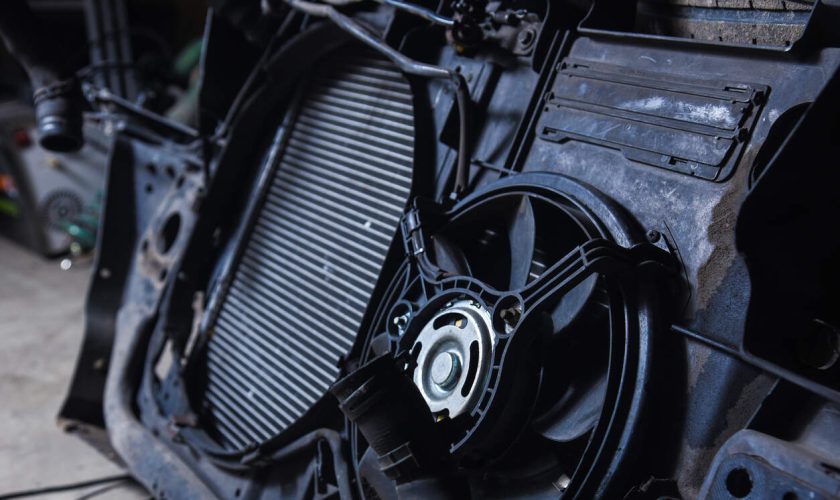
The radiator is responsible for releasing heat from the engine coolant into the surrounding air. Hot coolant flows through thin tubes, while air passing through the fins removes excess heat.

Key benefits include:

  • Prevents coolant from reaching boiling temperatures

  • Maintains consistent engine operating range

  • Supports fuel efficiency and emissions control

A clogged or leaking radiator significantly reduces heat dissipation, increasing the risk of overheating.

Water Pump: Circulating Coolant Continuously

The water pump acts as the heart of the cooling system. It circulates coolant between the engine, radiator, and heater core, ensuring even temperature distribution.

Without proper circulation:

  • Heat accumulates in the engine block

  • Coolant stagnates and loses effectiveness

  • Hot spots develop, stressing engine components

A failing water pump often causes sudden overheating, especially at higher speeds.

Thermostat: Regulating Temperature Flow

The thermostat controls when coolant flows to the radiator. It remains closed while the engine warms up and opens once optimal temperature is reached.

This regulation:

  • Prevents engine from running too cold or too hot

  • Improves fuel combustion efficiency

  • Reduces wear during cold starts

A stuck thermostat is a common but often overlooked cause of overheating.

Cooling Fan: Maintaining Airflow at Low Speeds

When a vehicle is stationary or moving slowly, natural airflow is limited. The cooling fan compensates by pulling air through the radiator.

Its role is crucial in:

  • Traffic and idle conditions

  • Hot climates

  • Towing or heavy-load driving

Fan motor or relay failure often leads to overheating in stop-and-go traffic.

Coolant and Hoses: Heat Transfer and Containment

Engine coolant absorbs heat and transfers it away from the engine. Hoses transport this coolant between system components.

Well-maintained coolant and hoses:

  • Prevent corrosion and scale buildup

  • Maintain proper pressure levels

  • Avoid leaks that reduce cooling efficiency

Old coolant or cracked hoses compromise the entire system’s performance.

How These Parts Work Together

Cooling system auto parts function as a closed-loop system:

  • Coolant absorbs heat from the engine

  • The water pump circulates heated coolant

  • The thermostat directs coolant flow

  • The radiator and fan dissipate heat

  • Cooled coolant returns to the engine

A failure in any single component can disrupt this balance and trigger overheating.

Signs Your Cooling System May Be Failing

Recognizing early symptoms helps prevent costly damage:

  • Rising temperature gauge

  • Steam from under the hood

  • Coolant leaks under the vehicle

  • Unusual engine noises

  • Sweet smell from leaking coolant

Prompt inspection of cooling system auto parts can stop minor issues from escalating.

Importance of Preventive Maintenance

Routine maintenance is the most effective way to avoid overheating problems. This includes:

  • Regular coolant flushes

  • Inspecting hoses and belts

  • Replacing worn thermostats

  • Checking radiator and fan operation

Proactive care extends engine life and improves overall reliability.

FAQ

What happens if I continue driving an overheating engine?

Continuing to drive can cause severe engine damage, including warped cylinder heads, blown head gaskets, and complete engine failure.

How often should engine coolant be replaced?

Most manufacturers recommend replacing coolant every 30,000 to 60,000 miles, depending on coolant type and driving conditions.

Can a bad radiator cap cause overheating?

Yes, a faulty radiator cap can prevent proper pressure buildup, allowing coolant to boil and reducing cooling efficiency.

Why does my car overheat only in traffic?

This usually indicates a failing cooling fan, fan relay, or restricted airflow through the radiator.

Is overheating more common in summer?

Higher ambient temperatures increase cooling demands, making existing weaknesses in the cooling system more noticeable.

Can low coolant levels trigger overheating quickly?

Yes, low coolant reduces heat absorption and circulation, causing rapid temperature spikes.

Are aftermarket cooling system parts reliable?

Quality aftermarket parts can be reliable if they meet manufacturer specifications and are installed correctly.

read more
Auto Dealer

Auto Dealer: A Complete Guide to How Modern Dealerships Work

An auto dealer plays a critical role in the automotive ecosystem, acting as the bridge between manufacturers and car buyers. Whether selling new vehicles, certified pre-owned models, or offering after-sales services, dealerships shape the overall car-buying experience. Understanding how auto dealers operate can help buyers make smarter decisions and help businesses position themselves more effectively in a competitive market.

What Is an Auto Dealer?

An auto dealer is a licensed business authorized to sell vehicles to consumers. Dealers may specialize in new cars, used vehicles, or a combination of both. Many also provide financing, warranties, servicing, and trade-in options, making them a one-stop solution for vehicle ownership.

Types of Auto Dealers

Auto dealers generally fall into the following categories:

  • Franchise Dealers
    Authorized by manufacturers to sell specific brands. They typically offer new cars, certified used vehicles, and factory-backed warranties.

  • Independent Dealers
    Sell used vehicles from various brands without manufacturer affiliation. Pricing is often more flexible.

  • Buy Here, Pay Here Dealers
    Provide in-house financing, usually targeting buyers with limited or poor credit histories.

How Auto Dealers Make Money

Auto dealers earn revenue through multiple channels, not just vehicle sales. Understanding this helps buyers negotiate more effectively.

Primary Revenue Streams

  • Vehicle Sales – Profit margins on new cars are often slim, while used cars usually offer higher margins.

  • Financing & Insurance (F&I) – Dealers earn commissions from loans, extended warranties, and insurance products.

  • Service & Repairs – Maintenance, parts, and repairs are among the most profitable departments.

  • Trade-Ins – Reselling traded vehicles can significantly boost profits.

The Auto Buying Process at a Dealership

Buying a car from an auto dealer follows a fairly standard process, though the experience can vary.

Step-by-Step Overview

  1. Vehicle Selection – Browsing inventory online or on the lot

  2. Test Drive – Evaluating performance and comfort

  3. Price Negotiation – Discussing vehicle cost, trade-ins, and incentives

  4. Financing Approval – Loan or lease arrangements

  5. Paperwork & Delivery – Final contracts and vehicle handover

Being prepared with research and pre-approved financing can simplify the process.

Benefits of Buying From an Auto Dealer

Purchasing from an auto dealer offers advantages that private sales often cannot match.

Key Advantages

  • Legal Protection through licensing and regulations

  • Access to Financing options and manufacturer incentives

  • Certified Vehicles with inspections and warranties

  • After-Sales Support including servicing and recalls

These benefits provide peace of mind, especially for first-time buyers.

Challenges Facing Modern Auto Dealers

The automotive retail industry is rapidly evolving, and dealers must adapt to survive.

Major Industry Challenges

  • Online Car Sales Platforms increasing competition

  • Changing Consumer Expectations for transparency and speed

  • Electric Vehicle Adoption requiring new training and infrastructure

  • Inventory Fluctuations caused by supply chain disruptions

Successful dealers respond by investing in digital tools and customer experience.

How to Choose the Right Auto Dealer

Not all dealerships offer the same level of service or value. Choosing wisely can save time, money, and stress.

What to Look For

  • Strong Reviews and Ratings across multiple platforms

  • Transparent Pricing with minimal hidden fees

  • Knowledgeable Sales Staff who answer questions clearly

  • Service Department Quality for long-term ownership support

A reputable auto dealer focuses on long-term relationships rather than one-time sales.

The Future of Auto Dealerships

Auto dealers are shifting toward a hybrid model, blending online convenience with in-person expertise. Digital showrooms, virtual paperwork, and home delivery are becoming common, while physical locations remain important for test drives, service, and trust-building.

Dealerships that embrace technology while maintaining a human touch are best positioned for long-term success.

Frequently Asked Questions (FAQ)

1. What is the difference between a franchise and an independent auto dealer?

Franchise dealers sell manufacturer-authorized new vehicles, while independent dealers primarily sell used cars from various brands.

2. Are prices negotiable at auto dealerships?

Yes, especially on used vehicles, trade-ins, and financing terms. New car pricing may have less flexibility.

3. Is financing through an auto dealer more expensive?

Not always. Dealers often work with multiple lenders and may offer competitive rates or special promotions.

4. What documents are required to buy a car from a dealer?

Typically, you need a valid ID, proof of income, insurance, and payment method or loan approval.

5. Do auto dealers offer warranties on used cars?

Many do, especially for certified pre-owned vehicles. Coverage varies by dealer and vehicle condition.

6. Can I return a car after buying it from a dealer?

Return policies vary by state and dealer. Some offer short return windows, while others consider sales final.

7. How long does it usually take to buy a car from an auto dealer?

The process can take anywhere from one hour to several hours, depending on financing, paperwork, and negotiation.

read more