
close

Vehicles

Vehicles

How Vehicle Manufacturers Are Improving Accessibility for Different Passengers

The freedom to travel independently is a fundamental pillar of modern life, deeply tied to personal autonomy, career opportunities, and social connection. For decades, the automotive industry engineered vehicles around a remarkably narrow definition of the average driver. If you fell outside of that specific physical or cognitive baseline, securing reliable personal transportation meant relying on expensive, third-party aftermarket modifications that often compromised the safety and aesthetic integrity of the vehicle.
Today, a profound paradigm shift is reshaping automotive engineering. Driven by shifting demographics, advocacy from disability rights groups, and rapid advancements in software and robotics, major vehicle manufacturers are moving away from reactive modifications. Instead, they are embracing universal design, integrating accessibility directly into the factory blueprint. From physical entry hardware to sensory-friendly cabins and autonomous driving systems, automakers are finally recognizing that a truly premium vehicle is one that accommodates the diverse needs of all its passengers.

Revolutionizing Physical Entry and Egress

The most immediate barrier to automotive independence for individuals with limited mobility is the simple act of getting into and out of the cabin. Historically, wheelchair users were forced to purchase standard vans and send them to specialized fabrication shops to have the floors cut and dropped, a process that took months and cost tens of thousands of dollars.
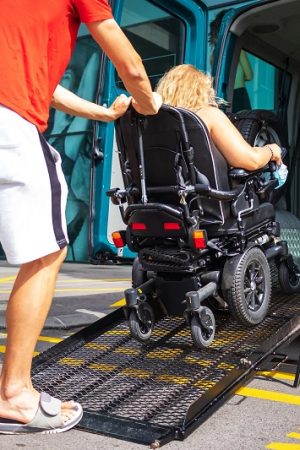
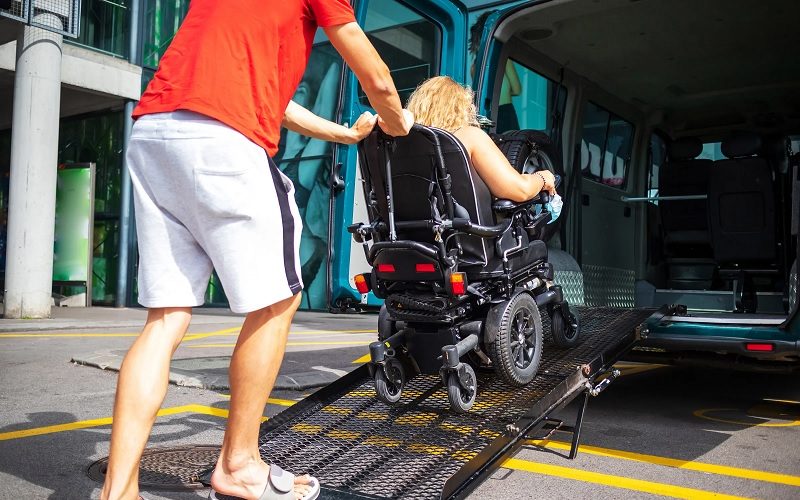
Modern manufacturers have started forming strategic partnerships with mobility companies to streamline this process, and in some cases, are engineering vehicles with accessibility in mind from day one. Adaptive air suspension systems are becoming a crucial feature for accessible transport. Originally designed for luxury ride comfort and off-road clearance, engineers have repurposed air suspension to include a kneeling function. With the press of a button, the vehicle exhausts air from its suspension bladders, drastically lowering the ride height. This minimizes the angle of deployment for wheelchair ramps and reduces the step-in height for elderly passengers or those with joint pain, making the transition from a curb to a car seat seamless.
Furthermore, automakers are rethinking door and seating geometry. Vehicles are increasingly being designed with wider door apertures and pillarless entries, where the traditional central B-pillar is eliminated to create a massive, unobstructed opening. Inside the cabin, power swivel seating is moving from a niche medical add-on to a factory-optioned convenience. These seats automatically rotate outward toward the open door and gently lower toward the pavement, allowing passengers to transfer from a wheelchair or walker directly into the seat before being lifted smoothly back into the cabin.

Reimagining the Driver’s Seat and Primary Controls

Getting behind the wheel presents an entirely different set of challenges for drivers with limb loss, neuropathy, or paraplegia. The traditional configuration of a steering wheel, gas pedal, and brake pedal requires constant, coordinated use of all four extremities.

The Shift to Drive-by-Wire Technology

In the past, adaptive driving controls relied on heavy, mechanical metal rods bolted to the pedals and steering column. These setups required significant upper body strength to operate safely and often interfered with airbag deployment zones. Today, the automotive industry is rapidly transitioning to drive-by-wire systems. In a drive-by-wire vehicle, there is no physical mechanical connection between the steering wheel, the pedals, and the engine or brakes. Instead, driver inputs are converted into electronic signals that command the vehicle’s mechanical components.
This technology is an absolute game-changer for accessibility. Because the inputs are entirely electronic, the physical force required to accelerate, brake, or steer can be scaled down to near zero. Drivers with limited muscle strength can operate a two-ton vehicle using a highly sensitive, customizable joystick mounted to the center console. The resistance and feedback of these digital controls can be programmed to match the exact physical capabilities of the individual driver, providing a safe and effortless driving experience.

Voice Command and Secondary Systems

Operating secondary controls like windshield wipers, turn signals, headlights, and climate control can be exceptionally difficult for drivers using hand controls, as they cannot safely remove their hands from the steering apparatus. Automakers are solving this through the heavy integration of advanced, natural-language voice assistants. Rather than fumbling for a plastic stalk behind the steering wheel, a driver can simply instruct the vehicle to turn on the high beams, increase the cabin temperature, or activate the hazard lights. By removing the need for fine motor skills, manufacturers are allowing drivers to maintain total focus on the road.

Interface and Infotainment Accessibility

The automotive industry’s obsession with massive, glossy touchscreens created a sudden and severe accessibility crisis. While sleek and futuristic, smooth glass panels offer absolutely zero tactile feedback. For visually impaired passengers, elderly users with reduced vision, or individuals with hand tremors, navigating a flat touchscreen to adjust the radio or air conditioning while the vehicle is in motion is nearly impossible.
Recognizing this misstep, automotive interior designers are implementing a hybrid approach to cabin interfaces. There is a concerted movement back toward keeping critical functions tied to physical, heavily textured dials and switches that can be operated purely by touch and muscle memory.
For the digital displays that remain, software-level accessibility is being radically improved. Modern infotainment systems now feature screen-reading technology similar to what is found on smartphones, providing audio feedback as the user navigates through menus. High-contrast display modes, scalable typography, and colorblind-friendly interface palettes are becoming standard options hidden just beneath the surface of the main settings menu. Furthermore, deep integration with smartphone mirroring ensures that the specific accessibility settings a user relies on every day instantly translate to the dashboard screen the moment they enter the vehicle.

Designing for Sensory and Cognitive Diversity

Accessibility extends far beyond physical mobility. A significant portion of the population lives with neurodivergent conditions, such as autism spectrum disorder or severe sensory processing disorders. For these passengers, the interior of a vehicle can be a chaotic, overwhelming environment filled with harsh vibrations, flashing lights, and piercing acoustic alarms.
Manufacturers are now employing neuro-inclusive design principles to create calmer, more predictable cabin environments. Acoustic engineering has taken center stage. Automakers are utilizing active noise cancellation technology—which works exactly like high-end headphones by emitting sound waves that neutralize road noise—paired with acoustic laminated glass to create an isolation chamber that protects passengers from the sensory overload of highway traffic.
Interior lighting is also being engineered with cognitive comfort in mind. Harsh, strobe-like alerts are being replaced by soft, tunable ambient lighting that can be adjusted to specific hues known to reduce anxiety and promote calmness. Even the vehicle’s warning systems are being rethought. Instead of a jarring, high-pitched beep to warn of a lane departure or an approaching object, vehicles are utilizing localized haptic feedback, vibrating the specific side of the driver’s seat to silently and gently indicate danger without inducing panic.

The Autonomous Horizon and Advanced Driver Assistance

The most transformative accessibility developments are happening within the realm of Advanced Driver Assistance Systems (ADAS). Features initially designed to reduce highway fatigue are proving to be powerful tools for drivers with slower reaction times, limited neck mobility, or reduced peripheral vision.
Automated parking systems allow a driver who cannot physically twist around in their seat to perfectly parallel park with the press of a single button. Blind-spot monitoring systems act as a reliable second set of eyes, while automatic emergency braking provides a critical safety net for drivers who may suffer from joint stiffness that delays their ability to stomp on the brake pedal.
Ultimately, the natural progression of these systems leads to fully autonomous, Level 5 self-driving vehicles. While still in the developmental and regulatory stages, autonomous robotaxis and purpose-built shuttles represent the holy grail of automotive accessibility. A vehicle with no steering wheel or pedals removes the concept of the driver entirely. When cars can reliably navigate themselves, individuals who are legally blind, paralyzed, or living with severe cognitive impairments will finally have access to on-demand, private, unassisted transportation.
The automotive industry is in the midst of a profound ethical and technological awakening. By shifting the focus from the mythical average driver to the diverse realities of the human condition, manufacturers are doing more than just selling cars. They are engineering equity, tearing down the physical and digital barriers that have historically kept millions of people on the sidelines, and paving the way toward a future where the open road belongs to everyone.

read more
Vehicles

Vehicle Customization Trends Redefining Personal Expression Through Automobiles

Automobiles have evolved far beyond their original role as simple modes of transportation. Today, they function as personal statements, creative canvases, and lifestyle extensions. Vehicle customization has surged in popularity as drivers seek unique ways to reflect identity, values, and taste through their cars. From subtle interior upgrades to bold exterior transformations, customization trends are reshaping how people connect emotionally with their vehicles.

The Rise of Personal Expression in Automotive Culture

Modern drivers no longer want factory-standard designs. The shift toward personalization is driven by social media exposure, online automotive communities, and easier access to aftermarket parts. Cars are now viewed as mobile reflections of individuality, similar to fashion or home décor.

Customization also bridges generations. Younger drivers embrace experimental aesthetics, while seasoned enthusiasts favor refined, performance-oriented upgrades. This diversity has expanded the customization landscape significantly.

Exterior Customization: Making a Statement on the Road

Exterior modifications remain the most visible form of personalization. These changes instantly transform how a vehicle is perceived.

Popular Exterior Trends

  • Vinyl wraps replacing traditional paint for flexibility and cost efficiency

  • Matte, satin, and color-shifting finishes for bold visual impact

  • Aftermarket wheels and low-profile tires enhancing stance and style

  • LED lighting upgrades including headlights, taillights, and underglow

  • Body kits and aerodynamic add-ons for sportier aesthetics

Vinyl wraps stand out as a favorite because they allow experimentation without permanent commitment, making them ideal for trend-conscious drivers.

Interior Customization: Comfort Meets Personality

Inside the cabin, customization focuses on comfort, technology, and ambiance. Drivers are investing more in the interior experience as commuting time increases.

Key Interior Customization Trends

  • Custom upholstery using leather, suede, or eco-friendly materials

  • Ambient lighting systems with adjustable color themes

  • Personalized dashboards and trim accents

  • Advanced infotainment upgrades with larger touchscreens

  • Custom steering wheels and shift knobs

These enhancements turn the cabin into a personalized space that reflects lifestyle preferences, whether minimalist, luxurious, or performance-driven.

Performance Customization: Beyond Visual Appeal

Not all customization is about looks. Many enthusiasts prioritize performance upgrades that improve how the vehicle feels and responds.

Common Performance Modifications

  • Suspension tuning for improved handling or ride comfort

  • Exhaust system upgrades enhancing sound and airflow

  • Engine tuning and ECU remapping for better power delivery

  • Brake system enhancements for safety and control

Performance customization allows drivers to tailor vehicles to specific driving styles, from daily commuting to track-focused performance.

Technology-Driven Customization Trends

Digital innovation has unlocked new levels of personalization. Smart technology enables customization that adapts to driver behavior and preferences.

Emerging Tech-Based Enhancements

  • Smart lighting systems synced with driving modes

  • AI-powered infotainment customization

  • Advanced driver-assistance personalization

  • Integrated voice controls and app-based vehicle settings

Technology-driven customization blends convenience with individuality, making vehicles more intuitive and responsive.

Sustainability and Eco-Conscious Customization

Sustainability is becoming a key factor in customization decisions. Environmentally conscious drivers are choosing upgrades that align with green values.

Eco-Friendly Customization Options

  • Recycled and vegan interior materials

  • Lightweight components improving fuel efficiency

  • Solar-powered accessories

  • Electric vehicle performance and aesthetic upgrades

These trends show that personalization and environmental responsibility can coexist.

The Influence of Social Media and Online Communities

Online platforms play a major role in shaping customization trends. Car enthusiasts share builds, tutorials, and inspiration across social channels, accelerating trend adoption.

Customization is no longer limited by geography. Ideas spread globally, encouraging cross-cultural influences in design, color choices, and styling philosophies.

Customization as a Reflection of Identity

Vehicle customization goes beyond aesthetics and performance. It represents personal storytelling. Every modification, whether subtle or extreme, communicates something about the driver’s personality, values, and lifestyle.

As vehicles become more customizable and accessible, this trend will continue redefining the emotional bond between people and their cars.

Frequently Asked Questions (FAQ)

What is the most popular vehicle customization trend today?

Vinyl wraps and lighting upgrades are among the most popular due to affordability, versatility, and visual impact.

Does vehicle customization affect resale value?

It depends on the modifications. Reversible and high-quality upgrades may preserve value, while extreme changes can limit buyer appeal.

Are customizations legal in all regions?

No. Laws vary by location, especially for lighting, exhaust noise, and window tinting. Always check local regulations before modifying.

How much does vehicle customization typically cost?

Costs range widely. Minor interior upgrades can be affordable, while full exterior and performance builds may require significant investment.

Can customization void a vehicle warranty?

Certain modifications can affect warranties, particularly engine and electronic changes. It’s important to review manufacturer policies.

Is professional installation necessary for custom parts?

While some upgrades are DIY-friendly, professional installation ensures safety, durability, and compliance with regulations.

Are electric vehicles customizable like traditional cars?

Yes. EV customization is growing rapidly, focusing on software features, lightweight components, and sustainable interior upgrades.

read more
Vehicles

Legitimate Semi Truck Upkeep

Consistently there are great many fatalities including semi trucks in the Unfastened States. The obliteration that can be brought about by a truck is fundamentally more serious than that of a customary vehicle. Simply the size of a truck alone can prompt the genuine mishaps including different vehicles all at once. One necessity and basic piece of truck security is regular truck support checks.

What Upkeep Involves

Keeping a semi-truck includes various methodology. In contrast to a standard vehicle – which should be examined one time each year – trucks experience the ill effects of consistent mileage and support checks are a continuous need. Essential truck upkeep incorporates:

1. Successive checks of every single liquid level – a vehicle as extensive as a 18-wheelers require a lot bigger volumes of liquids and these liquids should stay clean all together for the vehicle to work appropriately.

2. Brakes checks- – the heaviness of these enormous vehicles makes the brakes especially defenseless against giving out. The measure of harm that can be caused for the thruway by a truck without working brakes is enormous.

3. Tires- – the weight conveyed by every one of the 18 tires can cause incessant victories.

4. Lights- – trucks have many lights on the vehicle to make different drivers aware of their essence and their developments. Every one of these lights ought to be appropriately working.

5. Blinkers – in light of the fact that trucks are so huge it tends to be extremely challenging for a transporter to know whether their blinkers are out. Thusly they ought to be checked prior to leaving for a task.

6. Mirrors- – the mirrors on 18-wheelers are the main things permitting the driver to perceive what is happening aside or in the back of that person.

Legitimate vehicle upkeep is genuinely simple and performing support often can save lives.

read more
Vehicles

Why We Really Wanted To Keep Up With Our Vehicles

In the advanced world, we use to see such countless vehicles around our region, city, state and country. The vehicles are the foundation of the cutting edge transportation. Without the assistance of vehicles we can’t envision our transportation starting with one spot then onto the next. They run consistently, the distance might be little or enormous, yet how would they figured out how to run consistently? I mean do they require support or not? Indeed, they need support or administration to work appropriately!

A cutting edge vehicle might have in excess of 75,000 sections, which implies, to work precisely every time they should be kept up with appropriately after a specific timeframe. By keeping a vehicle in great state will help or help us to guard it, drive it for additional time and sometime we will improve cost by selling it.

In a manner to keep your vehicle performing at its best, this is truly essential to stay with the normal upkeep and investigations. With the customary help of the vehicle, we can decrease fix costs; which can happen in future, we can upgrade our vehicle’s presentation, and we can broaden its life. Yet, we are speaking such a great amount about vehicle support, what really happens in the upkeep of the vehicle? Continuously recollect “TOWBIF”, which stands, T-Tires, O-Oil, W-Windows, B-Brakes, I-Inside and F for Liquids.

Appropriate checking of gaseous tension in tires, oil is the blood of the vehicle and without oil we can’t expect our vehicle running, windows ought to be cleaned just as inside, the slowing mechanism ought to be kept up with intermittently for most extreme slowing down effectiveness and liquids like coolant, guiding liquid, transmission liquid, windshield washer liquid, brake liquid and different liquids ought to be reviewed at least once in three weeks.

It is likewise vital to actually take a look at the wiring of the vehicle, which assists with working the speakers and the lights of the vehicle. As we have talked about above, ordinary support plan is an essential advance in saving the vehicle protected and running for quite a long time to come. You should counsel your grease monkey to see when your vehicle needs next upkeep check up.

Likewise recall that for a superior upkeep you really wanted an accomplished auto technician, who can offer the fundamental assistance by his experience for the vehicle. It is significant for the vehicle the need of intermittent help and furthermore it is significant that the repairman ought to have every one of the vital devices and supplies.

read more
Vehicles

Fleet Maintenance Software

Fleet upkeep programming is an extreme vehicle support answer for any organization having various business vehicles. It assists with overseeing and screen vehicles proficiently. Standard armada upkeep programming deals with all occasions and methodology identified with vehicles like fixes, permitting and labels, logs, tires, fuel planning, and preventive support booking. A wide scope of all shapes and sizes organizations utilize fleet support programming. They are great for shipping and transportation organizations.

Most fleet upkeep programming can oversee everything identified with vehicles, from dispatch to charging and settlements. They make records of upkeep and fixes, filling financial plans, and different expenses associated with vehicle use. These records hold data, for example, vehicle number, depiction, division, permit number, name of the driver allocated, enlistment due date, enrollment cost, price tag, buy date, protection cost, protection lapse date, and charge and different installments made. Fleet upkeep programming creates nitty gritty reports, which assist organizations with overseeing work and expenses all the more productively. This product expands the benefit and hierarchical effectiveness of an organization. By reducing superfluous expenses and eliminating redundancies, armada upkeep programming streamlines business activities. Many progressed armada upkeep programming have unlimited oversight over work process cycles and friends’ resources.

Productive fleet support programming is an unquestionable requirement for huge associations to lessen resource vacation and work on quality, cost reserve funds, and functional execution. A broad assortment of expertly planned, superior armada support programming are accessible in the market today. It isn’t not difficult to decide whether a specific brand of programming can meet all your business needs. Thus, most organizations give a free preliminary to some restricted period. It is prudent to run a preliminary rendition of the product prior to buying it. Famous armada upkeep bundles incorporate Asset Maximizer, collectiveFleet, FaciliWorks, and Dossier.

read more