


close

Driving Tips

Driving Tips

Driving Tips To Minimize Distractions And Improve Concentration While Driving

Driving demands steady focus, quick judgment, and constant awareness of changing road conditions. Even small distractions can break concentration and increase the risk of mistakes. By adopting mindful habits and preparing before you start the engine, you can significantly improve your attention behind the wheel and make every journey safer.

Why Distraction-Free Driving Matters

Distractions delay reaction time, reduce situational awareness, and make it harder to anticipate hazards. Whether it’s a buzzing phone or a wandering thought, anything that pulls attention away from the road can have serious consequences. Staying focused is not just about safety—it also makes driving less stressful and more controlled.

Prepare Yourself Before You Start Driving

Good concentration begins even before you put the car in gear. A few simple steps can prevent unnecessary distractions later.

  • Adjust mirrors, seat, and climate controls before moving.

  • Set navigation and music playlists in advance.

  • Silence or store your phone out of reach to avoid temptation.

Taking these steps early keeps your hands and mind free once the car is in motion.

Manage In-Car Distractions Effectively

Modern vehicles are filled with technology, but not all of it supports focus. Learning how to manage these features is essential.

  • Keep audio volume moderate so external sounds remain audible.

  • Use hands-free systems sparingly, only when necessary.

  • Avoid adjusting settings or searching for items while driving.

The goal is to reduce anything that competes with your attention.

Control External Distractions on the Road

Not all distractions come from inside the car. Outside influences can be just as disruptive.

  • Stay calm around aggressive or unpredictable drivers.

  • Avoid rubbernecking at accidents or roadside events.

  • Focus on your lane, speed, and following distance, not on what others are doing.

Training your eyes to scan ahead rather than fixate on distractions improves overall awareness.

Strengthen Mental Focus While Driving

Concentration is also a mental skill. Keeping your mind engaged with the task of driving reduces daydreaming.

  • Practice commentary driving, mentally noting traffic signals and hazards.

  • Take breaks on long trips to prevent mental fatigue.

  • Avoid driving when overly tired, stressed, or emotionally upset.

A calm, alert mind responds faster and makes better decisions.

Create a Distraction-Free Driving Environment

Your vehicle environment influences your focus more than you may realize.

  • Keep the cabin clean and clutter-free.

  • Secure loose items so they don’t roll around.

  • Ensure proper ventilation and comfortable temperature to avoid drowsiness.

A well-organized space supports clearer thinking and smoother driving.

Build Long-Term Safe Driving Habits

Consistency turns good practices into automatic behavior.

  • Make focused driving a personal rule, not an occasional effort.

  • Encourage passengers to respect your concentration.

  • Reflect after trips and note what distracted you, then adjust next time.

Over time, these habits become second nature and greatly reduce risk.

Frequently Asked Questions (FAQ)

How can I stay focused during long highway drives?

Take regular breaks, stay hydrated, and vary your mental engagement by scanning mirrors and road signs instead of fixating on one point.

Does listening to music affect driving concentration?

Music at a moderate volume is usually fine, but loud or highly emotional music can reduce focus and reaction time.

Is it safe to talk to passengers while driving?

Light conversation is generally safe, but intense or emotional discussions can distract attention from the road.

How do I avoid checking my phone while driving?

Place your phone out of reach, enable driving mode, or keep it in the trunk to remove temptation entirely.

Can stress really impact driving performance?

Yes, stress narrows attention and slows reactions, making it harder to process traffic situations effectively.

What’s the best way to handle unexpected distractions?

Slow down slightly, refocus on the road, and deal with the distraction only after safely pulling over.

Are short trips just as risky for distracted driving?

Yes, familiarity can lead to complacency, which increases the chance of distraction even on short drives.

read more
Driving Tips

The Subtle Art of Mastery: Driving Tips for the Modern Gentleman (or Lady) of the Road

Introduction

In an era characterized by swift commutes and information overload, the act of driving is uniquely poised between routine necessity and refined ritual. While many approach the wheel as merely another task in the day’s ledger, others recognize it as an opportunity—a space to practice discipline, civility, and discernment. This article, crafted for those who appreciate both the mechanics and the meaning behind every journey, guides you through the nuanced skills and mindsets that elevate driving from common act to cultivated art.

Laying the Foundation: Preparation Before Movement

The Ritual of Ready Departure

A composed journey begins well before the engine hums. Consider these deliberate steps:

  • Comprehensive walkaround: Survey tires for optimal pressure, check all lights and signals, and ensure there are no obstructions near your intended path.

  • Cabin setting: Adjust seat, mirrors, and headrest for posture and complete visibility. Remove unnecessary clutter to foster focus and ease.

  • Route premeditation: Consult navigation, note weather and traffic, and allow extra time for unforeseen delays.

Mental Composure

  • Center your mood: Take a few calming breaths before ignition. Carrying tension into the car translates into impatience and poor judgment on the road.

  • Intentional mindset: Decide to drive with courtesy and patience, regardless of outside stresses.

The Core Techniques: Grace in Motion

Smooth Inputs Make All the Difference

  • Progressive acceleration and braking: Apply pedals gently—abrupt maneuvers unsettle both your passengers and your vehicle’s mechanical harmony.

  • Measured steering: Guide the wheel with confidence, favoring gradual changes over sharp corrections.

  • Momentum management: Observe traffic ahead and coast where appropriate, reducing wear on braking systems and maximizing fuel efficiency.

The Art of Spacing and Positioning

  • Maintain a prudent following distance (minimum three seconds in fair conditions) to preserve reaction time and tranquility.

  • Position yourself in the lane’s center, avoiding unnecessary weaving. Signal intentions early to allow others the chance to adjust.

Awareness and Anticipation: The Higher Order of Observation

Expanding Field of Vision

  • Wide scanning: Let your sight stretch far beyond the bumper. Early awareness of traffic stops, merging vehicles, and hazards fosters composure and control.

  • Mirror rhythm: Regularly scan your mirrors every 5–10 seconds and always perform shoulder checks before lane changes.

  • Peripheral vigilance: Watch for pedestrians, cyclists, and animals, especially near intersections, schools, or urban neighborhoods.

Listening Beyond the Obvious

  • Detect new noises—squeaks, rattles, or hums—that may suggest mechanical concerns. Early intervention often saves both cost and trouble.

  • Attune to the “feel” of the car through the steering wheel and pedals; changes may signal alignment or tire issues.

Defensive Driving: The Intellect of Restraint

Prediction Over Reaction

  • Anticipate the mistakes of others—hesitant turns, abrupt lane shifts, erratic signaling. Keeping ego at bay allows you to yield rather than contest.

  • Approach intersections warily, even on a green light, and double-check for vehicles breaking rules.

The Etiquette of the Road

  • Signal clearly before every maneuver.

  • Yield with grace—even when technically in the right. Embodying patience diffuses tension for everyone.

  • When another driver offers courtesy, acknowledge it with a brief wave or nod; small gestures ripple outward.

Adapting to Conditions

  • Rain and Snow: Reduce speed, avoid sharp inputs, and extend your following distance. Use low beams in fog for visibility.

  • At Night: Dim dashboard lights, clean all glass surfaces, and avoid staring into oncoming headlights.

  • Unfamiliar Routes: Review your route beforehand. Trust navigation, but also observe road signs and trust your judgment when digital suggestions seem unsafe.

The Human and Mechanical Partnership

Caring for Yourself

  • Dress for comfort and control: shoes with good pedal feel; avoid restrictive garments.

  • Take breaks every two hours on long trips. Stretch, hydrate, and clear your mind.

  • Never drive when deeply agitated, exhausted, or otherwise compromised.

Vehicle Stewardship

  • Adhere to manufacturer-recommended service intervals for oil, fluids, and filters.

  • Replace wipers and bulbs as soon as their performance diminishes.

  • Keep essential supplies—insurance, registration, first-aid kit, and reflective triangle—within easy reach.

Continuous Refinement: The Path to Mastery

Learning as Habit

  • Revisit defensive driving courses periodically; technology and best practices evolve.

  • Familiarize yourself with new vehicle systems and driver aids, using them to enhance awareness, not replace it.

  • Critically reflect after each trip: identify moments of stress or error, and consider how a patient, composed approach might serve better next time.

Table: Distilled Essentials for Elevated Driving

Practice Benefit Frequency
Walkaround Inspection Early problem detection, safety Before every drive
Mindful Cabin Setup Comfort, alertness Each trip
Smooth Control Inputs Reduced wear, passenger comfort Always
Strategic Lane and Spacing Accident prevention Always
Proactive Observation Anticipate, not just react Constantly
Defensive Posture Reduces conflict, lowers risk Always
Maintenance Schedule Adherence Reliability, longevity As recommended
Reflective Improvement Builds mastery, self-awareness Ongoing

Conclusion

Truly excellent driving is an act of respect—toward the machine, oneself, and everyone on the road. It is a collection of small habits, persistent vigilance, and thoughtful choices. By transforming the commute into a practice of mastery and mindfulness, one achieves not only safer passage, but a more satisfying relationship with every destination reached.

read more
Driving Tips

Artful Journeys: Elevating Everyday Driving with Cultivated Tips

Introduction

Modern driving has transcended the realm of mere transportation. It’s a tapestry woven from attentiveness, courtesy, and self-mastery—a silent dance on diverse roads where skill and character shine equally. For the discerning motorist, each drive is an invitation to refine technique, minimize stress, and safeguard both oneself and fellow travelers. This article explores time-honored, yet distinctly original, driving tips designed to nurture a graceful, safe, and satisfying experience behind the wheel.

Setting the Stage: Intelligent Preparation

The Ritual of Readiness

  • Conduct a purposeful walkaround: Glance over tires for proper inflation, check for clear lights, and peek beneath the car for leaks or hazards.

  • Cabin harmony: Adjust your seat, headrest, and mirrors for posture and total visibility. Stow away loose objects—clutter is the enemy of focus.

  • Digital discipline: Silence notifications, set navigation and music before departure, and place your device out of temptation’s reach.

Centering Your Mindset

  • Inhale deeply, centering yourself before the key turns—today’s journey is best begun with intention and clarity.

  • Acknowledge moods and emotions. If feeling weary or agitated, pause momentarily, recognizing that mental state shapes every maneuver you make.

Smoothness Personified: The Foundations of Masterful Control

Gentle Inputs, Lasting Benefits

  • Progressive acceleration and braking: Apply pedals with finesse. Sudden jolts transform fuel into waste and serenity into tension.

  • Fluid steering: Let your hands guide the wheel with modest, incremental movements—anticipate curves and lane shifts, never rushing the gesture.

  • Harnessing momentum: Coast to red lights or in slow traffic, allowing gravity and planning to preserve both comfort and control.

Space as Security

  • Adopt the three-second rule: Maintain a cushion sufficient to stop safely—double it in rain or fog.

  • Stay vigilant about blind spots, checking mirrors and glancing over your shoulder before lane changes or overtaking.

Heightened Awareness: The Subtle Science of Observation

Vision Beyond the Obvious

  • Scan far ahead, not just at the bumper before you. Noticing brake lights or congestion in the distance arms you with time, not just reaction.

  • Cultivate a peripheral gaze. Roadside hazards, pedestrians, and cyclists often appear from the edges.

  • Glide your eyes through all mirrors regularly, integrating a rhythm of situational awareness that feels both natural and intentional.

Sound, Vibration, and Intuition

  • Develop an ear for the symphony of your car. Detecting new noises—rattles, squeaks, or hums—can preempt costly troubles.

  • Stay attuned to subtle vibrations through the pedal or steering; they often foreshadow alignment concerns or uneven wear.

Defensive Driving: Anticipate, Don’t Just React

Forward Thinking

  • Approach every intersection as unpredictable territory. Pause, look, and never assume others will yield as they should.

  • Plan “escape routes” in heavy traffic—a shoulder to your right, extra space, or a gradual reduction in speed allows choices in emergencies.

  • Anticipate the mistakes of others: Signal early, expect abrupt moves from distracted drivers, and embrace patience as your shield.

Communication is Key

  • Signal well before turns or lane changes, employing your car’s indicators as a language of intent, not afterthought.

  • Use gentle horn taps or flashes only to clarify presence or avoid hazards—never in anger.

Emotional Skillfulness: The Power of Politeness and Restraint

Civility in Motion

  • Yield with grace, even when “right of way” is yours—true control lies in creating safety, not asserting dominance.

  • Respond to aggression or discourtesy with calm; escalating tension never shortens your journey nor lightens your heart.

  • Offer acknowledgment—a nod, wave, or smile—when others extend courtesy. Positive gestures foster goodwill and reduce road stress for all.

The Virtue of the Unhurried

  • Abandon the culture of rush; leave early, structure extra time into trips, and let punctuality ease your stress.

  • Accept delays as opportunities for deep breathing, mindful observation, or a quiet moment with a favorite song.

Mastery Amidst Adversity: Weather, Night, and the Unfamiliar

Adapting to the Elements

  • Slow down in rain, snow, or fog, extending following distances and avoiding abrupt moves.

  • Use headlights appropriately—low beams in fog, and never high beams toward oncoming traffic at night.

  • Keep windows and mirrors impeccably clean to ward off glare and maintain flawless visibility.

Navigation and the Unknown

  • Explore new routes in daylight where possible; rely on voice-guided navigation so eyes remain on the road.

  • When lost or unsure, pull over safely rather than improvise at high speeds.

Self and Machine: The Dual Pillars of Reliable Driving

The Attentive Driver

  • Dress for control—shoes with good pedal feel, clothing that allows free movement.

  • Hydrate and nourish properly before long drives, and break journeys frequently to preserve alertness.

  • Never drive under the influence, whether of mood, fatigue, or substances—true confidence comes from clarity.

The Maintained Vehicle

  • Keep up with essential car care—oil, fluids, tire pressure, and lighting.

  • Address warning lights promptly; do not postpone what can cost far more tomorrow.

  • Store an emergency kit, flashlight, and first-aid essentials for peace of mind.

Lifelong Learning: On the Path to Mastery

  • Enroll in advanced driving courses—the best drivers understand that refinement never ends.

  • Periodically review new traffic laws, signs, and technological tools, ensuring habits remain current.

  • After demanding drives, reflect: What worked well? Where could patience or skill have improved outcomes?

Conclusion

Driving well is an ongoing practice—one that weaves technical precision with empathy, awareness with calm. By nurturing habits of preparation, smoothness, acute observation, and emotional equanimity, any driver can transform the commute into a daily exercise of dignity and subtle mastery. Embrace each journey with intentionality, and let your presence on the road become as memorable and respected as your destination itself.

read more
Driving Tips

The Art and Intent of Modern Motoring: Timeless Driving Tips for the Skilled Traveler

Introduction

The act of driving transcends the realms of necessity and utility—it is a daily opportunity to express courtesy, mastery, and calm confidence. For the discerning motorist, every trip is a chance to refine one’s presence on the road, invest in safety, and cultivate a ritual that blends care, grace, and respect for others. This article offers thoughtful, original driving tips, curated for those who value both mastery and mindfulness behind the wheel.

The Pre-Drive Ritual: Laying a Thoughtful Foundation

Mindful Preparation

  • Walkaround Wisdom: Before you ever sit down, take two minutes to inspect your car. Ensure tires are properly inflated, lights are clean and fully functioning, and there are no puddles or hazards around the vehicle.

  • Adjust for Comfort and Clarity: Take deliberate time to configure your seat, headrest, mirrors, and steering wheel. Good posture underpins focus and prevents fatigue.

  • Cabin Order: Secure loose items, set devices to “Do Not Disturb,” and choose your music or navigation before shifting to drive.

Mental Calibration

  • Begin with Stillness: Sit quietly for a few seconds after buckling up. Breathe deep, visualize your route, and consciously release stressors or irritations.

  • Set an Intention: Decide to drive not only for personal efficiency, but for the collective safety and ease of all who share the road.

Techniques of Poise: The Visible Signs of Mastery

The Craft of Smoothness

  • Gentle Inputs: Ease into acceleration and brakes. Avoid jackrabbit starts and abrupt stops—the hallmark of an expert is fluidity in every action.

  • Steering Grace: Hold your hands at 9 and 3 o’clock. Make subtle, incremental steering adjustments rather than jerky corrections.

  • Harnessing Momentum: Anticipate signals and slowdowns, allowing your car to coast whenever safe. This not only saves fuel but enhances passenger comfort.

The Science of Spacing

  • Mindful Following Distances: Maintain at least a three-second gap to the vehicle ahead—double in rain or fog. This window buys time for calm, controlled reactions.

  • Strategic Lane Placement: Keep centered in your lane and resist the temptation to weave through traffic. When overtaking, use signals well before your maneuver.

Advanced Observation: Breadth and Depth of Awareness

Enriching Your Visual Habits

  • Long-Range Scanning: Let your gaze rest far ahead, reading not just immediate traffic, but the movement and patterns of the entire roadscape.

  • Mirror Use: Check your mirrors every 5–8 seconds, and always glance over your shoulder before changing lanes—blind spots conceal more than you think.

  • Peripheral Sensitivity: Notice pedestrians, cyclists, or anything on the road’s edge; such awareness can prevent split-second tragedies.

Listening and Sensing

  • Tune into Subtle Clues: Pay attention to unusual sounds—clunks, squeals, or rattles may prelude mechanical issues that warrant early action.

  • Feel for Feedback: Vibrations or changes in steering response often hint at the need for service or alignment.

The Heart of Safety: Defensive and Courteous Driving

Defensive Attitude

  • Anticipate, Don’t Just React: Look for cues—hesitation, erratic speed, or abrupt lane shifts in others often predict risky behavior.

  • Plan Escape Routes: In dense traffic, maintain an awareness of alternate paths in case of emergencies.

  • Never Engage in “Teaching Lessons”: Ignore aggression; focus on maintaining personal composure and safety.

Cultivating Courtesy

  • Signal with Purpose: Use indicators well before turning or merging—not as an afterthought, but as your shared language on the road.

  • Yield Generously: When in doubt, let others go. The small satisfaction of arriving early is never worth undermining civility or increasing risk.

  • Acknowledge Goodwill: A wave or nod when someone lets you in fosters a positive atmosphere and mutual respect.

Driving in Poor Conditions

  • Adapt, Don’t Accelerate: In rain or snow, slow down. Extend following distances and avoid abrupt maneuvers.

  • Defog and Demist: Keep windows clear using air conditioning or heating as needed—visibility is non-negotiable.

  • Proper Lighting: Use low beams in fog, and ensure all exterior lights are functional.

Nighttime Vigilance

  • Reduce Inside Glare: Dim dashboard lights and avoid using high beams in well-lit areas.

  • Rest to Prevent Fatigue: Stop for breaks on longer night drives—drowsiness creeps up quietly.

Approaching the Unknown

  • Pre-plan Routes: Leverage navigation beforehand, especially when traversing unfamiliar areas.

  • Heed Local Customs and Laws: Road rules can differ significantly; adapt promptly and respectfully.

Wellness and Vehicle Stewardship

Care for Yourself

  • Wear Appropriate Shoes: Thin soles offer greater pedal feel than thick or loose footwear.

  • Hydrate and Snack Wisely: Avoid heavy meals before long drives, and bring water for alertness.

  • Emotional Check: Refrain from driving in states of anger, sadness, or extreme fatigue—a clear head saves lives.

Tenderness for Your Car

  • Routine Maintenance: Follow recommended intervals for oil, fluids, and filters. Don’t ignore warning lights; early intervention prevents major issues.

  • Cleanliness Confidence: A tidy cabin reduces distraction and supports calm focus, while a clean exterior ensures maximum visibility.

  • Emergency Readiness: Keep a basic safety kit—first aid, flashlight, and warning triangle—ready for unplanned events.

Continuous Growth: Honing Your Craft

Pursue Learning

  • Periodic Refresher Courses: Take advanced driving or defensive lessons every few years.

  • Stay Abreast of Technology: Familiarize yourself with new safety features or driver aids—use technology to enhance, not replace, attentive technique.

  • Reflect After Each Drive: Regularly ask what went well and where improvement is possible.

Conclusion

Driving is neither a race nor a routine—it is a canvas upon which patience, precision, and genuine care are daily expressed. By approaching each journey with mindful preparation and treating other travelers as fellow sojourners rather than obstacles, you become a steward of the road and an exemplar of modern motoring excellence. Safety, comfort, and grace await those who elevate the drive itself into an act of daily distinction.

read more
Driving Tips

Buckle Up: The Vital Role of Proper Seatbelt Usage in Ensuring Your Safety on the Road

In the hustle and bustle of our daily lives, one small action can make a monumental difference in our safety – wearing a seatbelt. While it may seem like a routine task, the importance of proper seatbelt usage cannot be overstated. In this article, we will delve into the critical role seatbelts play in protecting drivers and passengers, emphasizing the significance of this simple yet effective safety measure.

  1. Primary Defense Against Collisions: Seatbelts act as the primary line of defense in the event of a collision. When worn correctly, they secure occupants in their seats, preventing them from being ejected from the vehicle upon impact. This greatly reduces the risk of severe injuries and fatalities.
  2. Mitigating the Severity of Injuries: In the unfortunate event of a crash, a seatbelt absorbs and distributes the force of impact across the strongest parts of the body—namely, the chest and pelvis. This distribution helps mitigate the severity of injuries, protecting vital organs and minimizing trauma.
  3. Preventing Secondary Collisions: A secondary collision, where an unbelted occupant collides with the vehicle’s interior or other passengers, is a common occurrence in accidents. Seatbelts prevent such secondary collisions by keeping occupants securely restrained, reducing the likelihood of additional injuries.
  4. Guarding Against Airbag Impact: Airbags are designed to work in conjunction with seatbelts, not as standalone safety features. When a collision occurs, the seatbelt ensures that occupants are properly positioned to receive the maximum benefit from airbag deployment while minimizing the risk of injuries caused by airbag impact.
  5. Legal Requirement and Consequences: In many jurisdictions, wearing a seatbelt is a legal requirement. Failing to do so can result in fines, penalties, and even legal consequences. Beyond the legal aspect, understanding that seatbelt usage is not just a rule but a life-saving measure emphasizes its importance.
  6. Protecting Vulnerable Passengers: Proper seatbelt usage is especially crucial for vulnerable passengers, such as children and the elderly. Child restraint systems, including car seats and boosters, are essential for the safety of young passengers. Ensuring these are correctly installed and used in combination with seatbelts is paramount.
  7. Adjusting for Comfort and Effectiveness: The effectiveness of a seatbelt depends on proper adjustment. Ensure the lap belt lies snugly across the hips, not the stomach, and the shoulder belt crosses the chest and collarbone. Adjust the seat and steering wheel to achieve the ideal position, allowing for maximum protection.
  8. Cultivating a Safety Mindset: Seatbelt usage goes beyond compliance with laws; it is a crucial element of cultivating a safety mindset. Making it a habit to buckle up before starting the engine sets the tone for a safe and responsible driving experience.
  9. Raising Awareness Among Passengers: As a driver, you play a pivotal role in the safety of your passengers. Educate and encourage everyone in your vehicle to wear their seatbelts, emphasizing the shared responsibility of creating a safe driving environment.
  10. Regular Seatbelt Maintenance: Inspect seatbelts regularly for any signs of wear, damage, or malfunction. Ensure that retractors and buckles function correctly, and promptly replace any damaged components. Proper maintenance ensures that seatbelts remain a reliable safeguard.

In conclusion, the simple act of buckling up is a powerful step towards ensuring your safety on the road. Understanding the multifaceted role seatbelts play in preventing injuries, complying with legal requirements, and fostering a safety-conscious mindset will undoubtedly make every drive a safer and more secure experience.

read more
Driving Tips

Vehicle Stockpiling Tips As Long As Possible

For some vehicle proprietors, there comes when driving a specific vehicle simply is beyond the realm of imagination. This might be expected to claiming a costly vehicle that isn’t taken out in the colder time of year climate, putting away a vintage vehicle that just works for a couple of months of the year, or while setting up a vehicle to be dealt with. In any event, there are some fundamental safeguards that ought to be thought about. There are a few vehicle stockpiling tips accessible to assist with setting up a vehicle for capacity. There are some that are more top to bottom than others, yet there are some broad vehicle stockpiling tips that anybody can utilize.

Stage 1: Pick the best spot to store the vehicle. Keep in mind, this is the place where the vehicle will be sitting for a significant stretch of time. Contingent on how will be managed the vehicle; there are various kinds of storage spaces. As far as some might be concerned, an individual carport will be adequate for keeping in a serviceable area. This is on the grounds that it is strategically placed, and the proprietor’s instruments are there also. For other people, a capacity unit might be leased to give adequate room and security. One of the main parts of the area is the air quality. The air ought to be dry as to not make the vehicle rust. There are environment controlled storerooms that assistance with this.

Stage 2: Make certain to fill the fuel tank and add a stabilizer. There is a reason for both of these activities. In the first place, filling the fuel tank with fuel keeps it from rusting within. Second, at whatever point gas sits for significant stretches of time, it isolates and can cause issues when the vehicle is begun once more. Consequently, the stabilizer is vital to add.

Stage 3: Get a bunch of tire jacks to put under the tires. This will assist with easing the heat off of them and keep them from growing level spots. This can assist with saving the proprietor from supplanting a costly arrangement of tires.

Stage 4: Wash and wax the vehicle. This assists with eliminating any grime that could destroy a vehicle’s completion just as forestalling general erosion.

Stage 5: Separate the battery. As batteries sit, they can spill sulfuric acid that can consume within the vehicle. It additionally assists with keeping the caution from going off. This is a speedy and essentially strategy, and can assist with saving a great difficult situation over the long haul.

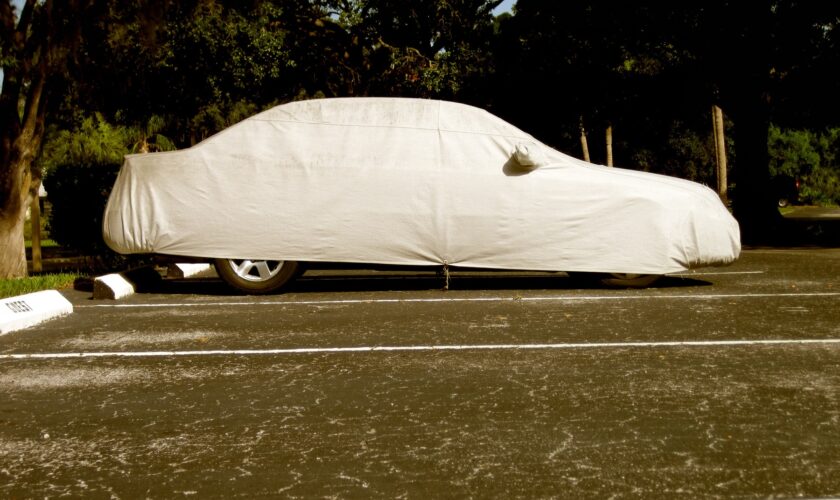
Stage 6: Put resources into a decent vehicle cover to put over the vehicle during capacity. Despite the fact that the vehicle ought to be put away in a controlled climate, there are still possibilities that something might arrive on it.

These are the most essential vehicle stockpiling tips accessible. They are straightforward and simple to follow, yet they are viable for setting up a vehicle to be kept away for a significant stretch of time. Despite the fact that it could be marginally tedious to store a vehicle appropriately, it will be definitely worth after these vehicle stockpiling tips when driving season moves around again and the vehicle is in mint condition.

read more
Driving Tips

Snow Tires And Other Winter Driving Tips

Winter driving can be inconceivably hard to the individuals who have never attempted to explore blanketed, frigid, tricky streets. There are a lot of various tips that can assist these various individuals with learning the state of the streets.

There are a few adjustments that you can make to your vehicle to help you as you drive. There are different changes that you basically need to make to your driving propensities, attempting to drive securely in helpless conditions. These different winter driving tips will assist you with doing both, giving you the best winter driving abilities conceivable.

Snow Tires

Snow tires are probably the best instruments accessible for the individuals who live in regions with solid winter climate. These tires are significant for the people who are driving on both snow and ice, and should do as such consistently. The tires make grating, while the force of the steel and the heaviness of the vehicle help get through the ice.

More slow Driving

In case you will be driving in winter climate, you should drive more slow than you would on an ordinary, crisp morning. While this might appear to be a fairly clear standard, the people who have never determined in snow may not comprehend the effect that it might have on a vehicle. Turns should be taken more slow, as taking a turn at a typical speed in ice and snow can make the vehicle slide. Snow and ice basically make it difficult to control the vehicle.

Distance and Time

There are two unique tips for you to consider while driving in winter climate. The primary tip to consider is the distances that you should consider while driving. You must give yourself more opportunity to stop while driving. You might slip and slide as you brake, and need more space to do as such. Distance is additionally significant while thinking about the vehicles before you – you will require more space to acclimate to their developments in view of potential sliding.

The last basic hint to follow when driving during winter climate is to give yourself more opportunity to get starting with one spot then onto the next. Many neglect to zero in on the wellbeing needed for winter driving since they are eager to get starting with one spot then onto the next. Basically give yourself more opportunity to be out and about and you can zero in on safe driving.

It is significant for the entire winter drivers to take however many winter driving precautionary measures as would be prudent. Snow tires are frequently significant for those in substantial snow conditions. The remainder of the driving tips are significant in a helpless winter climate conditions. While there may just be a little layer of snow out and about, you should in any case rehearse safe winter driving.

These are not by any means the only tips that you ought to be searching for when figuring out how to drive in the snow. There is more exploration to be done to guarantee that you will be pretty much as protected as conceivable as you travel in winter climate.

read more
Driving Tips

Fall Driving Tips

Regardless of whether an accomplished driver or a beginner, we as a whole realize that climate conditions can have a tremendous and regularly stressing impact on the condition of our driving. From the battle that our vehicles go through to begin to the work needed for them to remain in extraordinary condition to obviously the impact that downpour, hail and snow can have on the streets; the second the late spring vanishes, driving can turn out to be staggeringly troublesome.

Regardless of whether you have done it multiple times or are different to everything, the pre-winter months can introduce various issues to drivers. From the more extreme temperatures, to the startling cold mornings to the wealth of leaves everywhere; in light of the fact that there’s no Christmas snow doesn’t imply that drivers will not should be ready for some troublesome conditions.

There are a few issues that both new and experienced drivers should consider to guarantee that anyway long their excursion, it is pretty much as protected as could really be expected. The following are only a couple of the more significant fall driving tips that stand apart of the group…

1. Streets canvassed in leaves are not a remarkable sight. Except if you can cruise all over them and totally keep away from them, dial back as leaves can be shockingly dangerous. Stay mindful that the leaves might cover street markings, pot openings and any hindrances so be cautious and stay alert.

2. Perceivability is vital as it gets more obscure which is the reason guarantee that you have nothing that could bring about any extra issues Clean both your windscreen and your wipers off of any leaves as well as residue and soil that might have accumulated.

3. You needn’t bother with snow to be confronted with elusive driving conditions. The danger of ice is consistently present in the colder months so guarantee you are driving reasonably. Consider a lot of room between your vehicle and the vehicle in front and drive gradually and delicately, especially over regions that might be influenced with dark ice.

4. Planning can have a sensational degree of effect especially with regards to driving. For the people who are going to confront their first pre-winter and winter driving, why do whatever it takes not to get however much practice in as could reasonably be expected? Despite the fact that you can’t recreate snow or ice, driving in the nights as frequently as conceivable is an extraordinary way of improving, your abilities and mindfulness and will provide you with an incredible comprehension of exactly how unique it very well may be to drive in conditions totally different to the day, day time streets you might be utilized to.

Driving, whatever the climate consistently requires a decent arrangement of abilities yet in the colder time of year the necessity for expertise effectively increments ten times! Allow yourself the best opportunity at wellbeing by getting ready with a vehicle administration as well as by setting yourself up for the potential circumstances that might lie ahead.

We can never anticipate what the cold weather months will toss our direction however we can give ourselves some assistance in any case by knowing precisely what to pay special mind to!

read more