
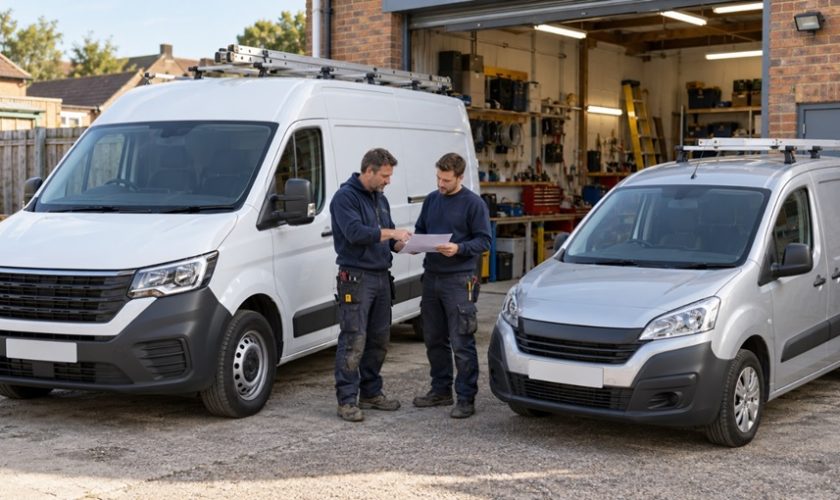
The diary has two jobs booked for Tuesday morning, but both teams need the same vehicle. Until recently, a few telephone calls and a rearranged appointment solved the problem. Now it happens every week. For a small business considering a second vehicle through a van lease, this is the moment to examine how the extra van would work. Another set of keys can create useful capacity, provided the people, equipment and workload are ready to support it.
The second van often has a different purpose from the first. It might free an experienced employee to work independently, carry materials between sites or support a separate service. Understanding that purpose helps prevent the business from simply ordering another version of the vehicle it already knows.
The following hypothetical scenarios show how different needs can lead to different decisions.
Scenario One: Two People Are Ready to Work Independently
An electrical contractor has grown from a sole trader into a small team. The owner and an experienced employee can each complete routine appointments, yet they still travel together because the business has one van.
A second vehicle could allow them to serve different customers simultaneously. However, transport is only one part of making that arrangement work.
The employee also needs the appropriate tools, test equipment, parts and job information. If essential items remain shared, the vans may spend their days meeting in car parks to exchange equipment.
Before choosing a vehicle, separate the work into tasks each person can complete independently. Identify which equipment must be duplicated and which specialist items can remain centrally managed.
The new van may not need to match the existing one. If one person mainly handles inspections and minor repairs while the other undertakes installations, their regular loads could be quite different.
The deciding question: Can the second driver complete a normal day without repeatedly returning to the first vehicle?
If the answer is yes, the business has a clearer operational reason for expanding.
Scenario Two: Collections Keep Interrupting Productive Work
A joinery business has enough people on site, but someone regularly leaves to collect fixings, deliver finished components or move equipment.
The main van carries installation tools and materials. Using it for small errands means unloading, rearranging or leaving the site without items the team still needs.
Here, the second vehicle’s role may be support rather than another complete installation setup.
Study the collection journeys before specifying the van. Small parcels and occasional tool cases create a different requirement from long lengths of timber or bulky finished furniture.
A compact vehicle may deserve consideration if the actual loads allow it. Equally, choosing too little capacity could recreate the same transport problem in a different form.
When discussing options with SwissVans.com, describe the journeys that currently interrupt the team. Include typical items, their dimensions and who would drive. This makes the enquiry more useful than requesting a duplicate of the existing van.
There is also a scheduling question. Some collection runs may disappear when orders are consolidated or materials are delivered directly. Review those possibilities before building a permanent vehicle requirement around avoidable trips.
The deciding question: How much working time would the additional vehicle release after sensible scheduling improvements?
Scenario Three: A New Service Needs Its Own Setup
A property maintenance company begins offering a specialist cleaning service. Its existing van is arranged around repair tools, while the new work requires machines, hoses and consumables.
Constantly swapping equipment is possible at first. As bookings increase, the changeover becomes inconvenient, and items occasionally reach the wrong job.
A dedicated vehicle could provide a consistent setup. The specification should follow the new service’s requirements, including equipment dimensions, weight and suitable storage.
Any proposed installation needs careful discussion with the provider and a competent installer. Confirm permissions, fitting methods and any requirements for returning the vehicle later.
The commercial question is whether the service has enough dependable demand. Enquiries and confirmed bookings should be recorded separately. One promising conversation offers less certainty than a sequence of completed jobs and repeat customers.
The deciding question: Is this an established workload needing transport, or an untested idea that would create a new ongoing commitment?
Before Ordering, Run a Two-Van Diary
For a fortnight, plan work as though the second vehicle already exists.
Assign a driver, equipment and route to each van. Record occasions when both need the same machine, when a driver is unavailable or when the additional vehicle would sit unused.
This exercise can expose practical gaps before money is committed. It also produces a more realistic estimate of each vehicle’s mileage.
Avoid dividing the current mileage equally without examining the routes. One van might handle local appointments while the other covers distant installations.
At the same time, request a complete written quotation and establish the agreement’s initial payment, ongoing rentals, duration, mileage terms and end arrangements. Include insurance, equipment and preparation in the overall assessment.
Make Responsibility Clear From the Start
Two vehicles bring more coordination. Decide who books servicing, checks condition, reports faults and manages keys. Allocate regular stock checks so both vans carry what their drivers expect.
Give the new arrangement time to settle, then review completed work, unnecessary journeys and unused capacity.
The strongest reason to add a second van is a specific job it can perform repeatedly. When that job, its driver and its equipment are already clear, the vehicle becomes a practical next step in the business’s growth.