Automobiles have evolved far beyond their original role as simple modes of transportation. Today, they function as personal statements, creative canvases, and lifestyle extensions. Vehicle customization has surged in popularity as drivers seek unique ways to reflect identity, values, and taste through their cars. From subtle interior upgrades to bold exterior transformations, customization trends are reshaping how people connect emotionally with their vehicles.
The Rise of Personal Expression in Automotive Culture
Modern drivers no longer want factory-standard designs. The shift toward personalization is driven by social media exposure, online automotive communities, and easier access to aftermarket parts. Cars are now viewed as mobile reflections of individuality, similar to fashion or home décor.
Customization also bridges generations. Younger drivers embrace experimental aesthetics, while seasoned enthusiasts favor refined, performance-oriented upgrades. This diversity has expanded the customization landscape significantly.
Exterior Customization: Making a Statement on the Road
Exterior modifications remain the most visible form of personalization. These changes instantly transform how a vehicle is perceived.
Popular Exterior Trends
-
Vinyl wraps replacing traditional paint for flexibility and cost efficiency
-
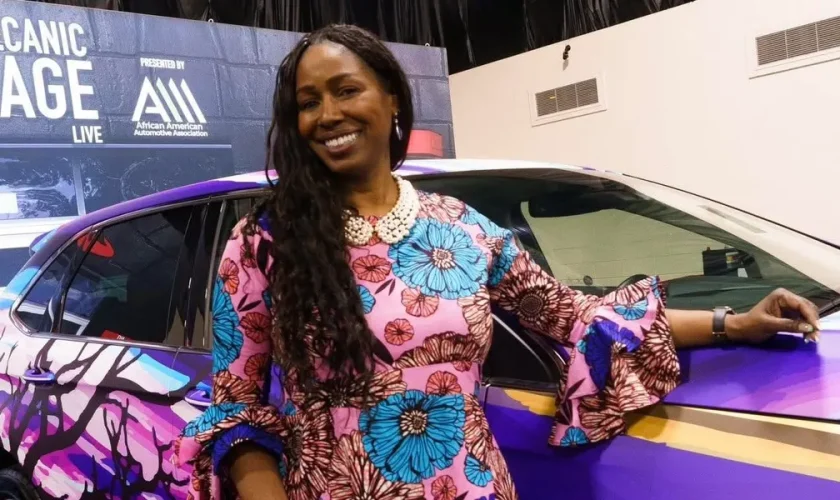
Matte, satin, and color-shifting finishes for bold visual impact
-
Aftermarket wheels and low-profile tires enhancing stance and style
-
LED lighting upgrades including headlights, taillights, and underglow
-
Body kits and aerodynamic add-ons for sportier aesthetics
Vinyl wraps stand out as a favorite because they allow experimentation without permanent commitment, making them ideal for trend-conscious drivers.
Interior Customization: Comfort Meets Personality
Inside the cabin, customization focuses on comfort, technology, and ambiance. Drivers are investing more in the interior experience as commuting time increases.
Key Interior Customization Trends
-
Custom upholstery using leather, suede, or eco-friendly materials
-
Ambient lighting systems with adjustable color themes
-
Personalized dashboards and trim accents
-
Advanced infotainment upgrades with larger touchscreens
-
Custom steering wheels and shift knobs
These enhancements turn the cabin into a personalized space that reflects lifestyle preferences, whether minimalist, luxurious, or performance-driven.
Performance Customization: Beyond Visual Appeal
Not all customization is about looks. Many enthusiasts prioritize performance upgrades that improve how the vehicle feels and responds.
Common Performance Modifications
-
Suspension tuning for improved handling or ride comfort
-
Exhaust system upgrades enhancing sound and airflow
-
Engine tuning and ECU remapping for better power delivery
-
Brake system enhancements for safety and control
Performance customization allows drivers to tailor vehicles to specific driving styles, from daily commuting to track-focused performance.
Technology-Driven Customization Trends
Digital innovation has unlocked new levels of personalization. Smart technology enables customization that adapts to driver behavior and preferences.
Emerging Tech-Based Enhancements
-
Smart lighting systems synced with driving modes
-
AI-powered infotainment customization
-
Advanced driver-assistance personalization
-
Integrated voice controls and app-based vehicle settings
Technology-driven customization blends convenience with individuality, making vehicles more intuitive and responsive.
Sustainability and Eco-Conscious Customization
Sustainability is becoming a key factor in customization decisions. Environmentally conscious drivers are choosing upgrades that align with green values.
Eco-Friendly Customization Options
-
Recycled and vegan interior materials
-
Lightweight components improving fuel efficiency
-
Solar-powered accessories
-
Electric vehicle performance and aesthetic upgrades
These trends show that personalization and environmental responsibility can coexist.
The Influence of Social Media and Online Communities
Online platforms play a major role in shaping customization trends. Car enthusiasts share builds, tutorials, and inspiration across social channels, accelerating trend adoption.
Customization is no longer limited by geography. Ideas spread globally, encouraging cross-cultural influences in design, color choices, and styling philosophies.
Customization as a Reflection of Identity
Vehicle customization goes beyond aesthetics and performance. It represents personal storytelling. Every modification, whether subtle or extreme, communicates something about the driver’s personality, values, and lifestyle.
As vehicles become more customizable and accessible, this trend will continue redefining the emotional bond between people and their cars.
Frequently Asked Questions (FAQ)
What is the most popular vehicle customization trend today?
Vinyl wraps and lighting upgrades are among the most popular due to affordability, versatility, and visual impact.
Does vehicle customization affect resale value?
It depends on the modifications. Reversible and high-quality upgrades may preserve value, while extreme changes can limit buyer appeal.
Are customizations legal in all regions?
No. Laws vary by location, especially for lighting, exhaust noise, and window tinting. Always check local regulations before modifying.
How much does vehicle customization typically cost?
Costs range widely. Minor interior upgrades can be affordable, while full exterior and performance builds may require significant investment.
Can customization void a vehicle warranty?
Certain modifications can affect warranties, particularly engine and electronic changes. It’s important to review manufacturer policies.
Is professional installation necessary for custom parts?
While some upgrades are DIY-friendly, professional installation ensures safety, durability, and compliance with regulations.
Are electric vehicles customizable like traditional cars?
Yes. EV customization is growing rapidly, focusing on software features, lightweight components, and sustainable interior upgrades.