Owning a vehicle is a significant financial commitment that extends far beyond the initial purchase price or monthly loan payment. While modern cars are engineered to be more reliable and resilient than ever before, they are still complex machines composed of thousands of moving parts that endure extreme temperatures, friction, and environmental wear. Waiting for a dashboard warning light to illuminate or a strange noise to develop is a reactive approach that often leads to expensive repairs. Proactive, scheduled maintenance is the single most effective way to protect your investment, ensure your safety on the road, and maximize the operational lifespan of your vehicle.
Understanding which services matter most can feel overwhelming, especially when faced with aggressive upselling at the service counter. By familiarizing yourself with the core maintenance requirements of your vehicle, you can make informed decisions and keep your car running smoothly for years to come.
The Lifeblood of Your Vehicle: Fluid Replacements
Automotive fluids degrade over time, losing their protective properties and becoming contaminated with microscopic debris. Keeping these fluids fresh is non-negotiable for the health of your car.
Engine Oil and Filter Changes
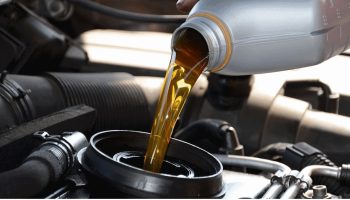
Engine oil serves as a lubricant, a cooling agent, and a cleaner for the internal components of your engine. As you drive, oil is subjected to immense heat, causing it to break down and lose its viscosity. Simultaneously, the oil filter traps metal shavings, dirt, and carbon deposits. When the filter reaches capacity, dirty oil bypasses it and circulates through the engine, accelerating wear on critical components. While the traditional rule of thumb was to change oil every 3,000 miles, modern synthetic oils and advanced engine designs often push this interval to between 5,000 and 10,000 miles. Always defer to your owner’s manual, but never stretch the recommended intervals.
Transmission Fluid Servicing
The transmission is responsible for transferring power from the engine to the wheels, and its fluid provides hydraulic pressure and friction management. Over time, transmission fluid burns and accumulates clutch material. Ignoring transmission service can lead to rough shifting, slipping gears, and ultimately, a complete failure of the unit. Replacing a transmission is one of the most expensive automotive repairs possible. Scheduling a fluid and filter change according to manufacturer specifications—typically between 30,000 and 60,000 miles—will help prevent catastrophic mechanical failure.
Coolant and Antifreeze Flushes
The cooling system prevents your engine from literally melting itself from the inside out. Coolant, or antifreeze, regulates engine temperature while containing chemical additives that prevent rust and corrosion within the radiator and engine block. These anti-corrosion additives deplete over several years. If the fluid becomes acidic, it will slowly eat away at water pumps, gaskets, and aluminum cylinder heads. A complete system flush every three to five years removes the degraded fluid and internal scale buildup, restoring the system’s ability to manage extreme heat.
Brake Fluid Replacement
Brake fluid is hygroscopic, meaning it naturally absorbs moisture from the air over time. As water content in the fluid increases, the boiling point of the fluid decreases. Under heavy braking, this moisture can boil and turn into steam, resulting in a soft, spongy brake pedal and a terrifying loss of stopping power. Additionally, moisture causes internal corrosion in the brake lines and ABS components. Have your brake fluid tested annually and replaced every two years to ensure your vehicle stops predictably in emergency situations.
Keeping You on the Road: Tire Care and Alignment
Your tires are the only physical connection between your two-ton vehicle and the asphalt. Neglecting them compromises handling, increases braking distances, and drastically reduces fuel economy.
Regular Tire Rotations
Because the front of the vehicle is typically heavier and handles the majority of the steering and braking forces, front tires wear out much faster than rear tires. If left in the same position, you will find yourself replacing two tires prematurely. A tire rotation moves the wheels to different positions on the vehicle, promoting even tread wear across the entire set. Having this service performed every 5,000 to 7,000 miles—often conveniently paired with an oil change—will maximize the usable life of your tires.
Wheel Alignment and Balancing
Potholes, curbs, and general suspension wear will slowly knock your wheels out of alignment. When wheels are not pointing perfectly straight, the tires are essentially being dragged sideways down the road. This creates extreme friction, leading to a destroyed set of tires in just a few thousand miles and placing unnecessary strain on steering components. A professional alignment ensures your tires meet the road at the precise angle engineered by the manufacturer. Furthermore, having the wheels balanced eliminates high-speed vibrations that can cause driver fatigue and accelerate wear on wheel bearings.
Stopping Power: Brake System Inspections
The ability to accelerate means nothing if you cannot stop safely. Brake pads and rotors are wearable items designed to sacrifice themselves to bring your car to a halt. As the brake pads clamp down on the metal rotors, the friction material gradually wears away.
Do not wait until you hear the piercing screech of the brake wear indicators or feel a violent grinding sensation through the steering wheel. By the time grinding occurs, the brake pads are entirely gone, and metal-on-metal contact is actively destroying your brake rotors and potentially damaging the brake calipers. Ask your mechanic to perform a visual inspection of the pad thickness and rotor condition during every tire rotation. Replacing pads before they are critically low saves you the added expense of replacing gouged rotors.
Breathing Easy: Air Filter Replacements
Engines and passengers both require clean air to function properly. Fortunately, managing your vehicle’s air filtration is one of the most affordable and straightforward maintenance tasks.
Engine Air Filter
Internal combustion requires a precise mixture of fuel and oxygen. The engine air filter prevents dust, bugs, and road debris from entering the intake manifold and scoring the engine cylinders. A clogged air filter starves the engine of oxygen, forcing it to work harder and dramatically reducing fuel efficiency and acceleration. Inspect the filter every 15,000 miles and replace it when it appears dark and heavily soiled.
Cabin Air Filter
Often completely forgotten by car owners, the cabin air filter is responsible for cleaning the air that comes through your vehicle’s HVAC system. It traps pollen, dust, exhaust soot, and unpleasant odors before they reach the interior. When a cabin filter becomes choked with debris, it restricts airflow from the vents, making your air conditioning and heater struggle to regulate the cabin temperature. A severely clogged cabin filter can even cause the blower motor to overheat and fail. Replacing it annually ensures a clean, comfortable driving environment.
Starting and Charging: Battery Maintenance
There are few things more frustrating than turning the key and hearing nothing but a hollow clicking sound. Car batteries typically have a lifespan of three to five years, depending on the climate. Extreme heat evaporates the internal battery fluids, while freezing temperatures drastically reduce their cranking power.
Routine battery maintenance involves checking the terminals for fluffy, white acidic corrosion, which restricts the flow of electricity. Cleaning the terminals with a wire brush and a dedicated neutralizing spray ensures a strong connection. Furthermore, having the battery load-tested annually once it passes the three-year mark will give you a clear picture of its remaining health, allowing you to replace it on your own terms rather than waiting for it to strand you in a parking lot.
Protecting the Powertrain: Belt and Hose Inspections
Underneath the hood, a network of rubber belts and hoses keeps the engine’s peripheral systems running. The serpentine belt drives the alternator, power steering pump, water pump, and air conditioning compressor. Because it is exposed to constant heat and engine bay chemicals, the rubber eventually dries out, cracks, and stretches. If a serpentine belt snaps while you are driving, you will instantly lose power steering, battery charging, and engine cooling, forcing an immediate pull-over.
Similarly, radiator hoses carry scalding hot coolant under high pressure. Over time, the rubber degrades from the inside out, becoming soft, spongy, or bulging at the connection points. A blown radiator hose will empty your engine of coolant in seconds, leading to immediate overheating. Ask a professional to squeeze the hoses and inspect the belts for micro-cracks at least once a year.
By shifting your mindset from reactive repair to proactive maintenance, you take control of your vehicle’s reliability. Scheduling these essential services not only saves thousands of dollars over the life of the car but also provides the priceless peace of mind that comes from knowing your vehicle is safe, efficient, and ready for whatever the road ahead brings.