

close

Nicolas Xander

Auto Dealer

The Connoisseur’s Gateway: Redefining the Role of the Auto Dealer

Introduction

In the fabric of modern automobilia, the traditional auto dealer has evolved into something far more complex and nuanced than its archetype. Once seen as simple intermediaries between factories and customers, today’s auto dealers serve as trusted curators, guides through a maze of options, and architects of long-term trust. To the discerning customer, the experience of engaging with a skilled auto dealer can transform a mundane transaction into a lasting, value-rich relationship. This article illuminates the artistry and expertise shaping the modern auto dealership and helps buyers recognize the hallmarks of an auto dealer worthy of lasting partnership.

Beyond Inventory: The Evolution of the Auto Dealer

From Vendor to Advisor

  • Contemporary auto dealers are not mere salespeople; they are consultants attuned to their clients’ shifting needs, preferences, and life stages.

  • Successful dealers guide customers through an ever-expanding menu of vehicles—new, certified pre-owned, electric, and hybrid—synthesizing features and models to match each buyer’s context.

  • Their repertoire extends beyond vehicles to education about safety advancements, driver-assistance technologies, and sustainable mobility choices.

The Dealer as a Community Pillar

  • Auto dealerships increasingly anchor communities, participating in local events, supporting charities, and sponsoring educational initiatives.

  • Through loyalty programs and customer appreciation gatherings, dealers foster enduring relationships and a sense of belonging that transcends the purchase.

Anatomy of an Exceptional Auto Dealership

The Human Element

  • Stellar dealerships employ staff who blend product passion with genuine listening skills and ethical transparency.

  • From the moment of greeting, sharp-eyed consultants gauge not only practical needs but lifestyle, family considerations, and even future ambitions.

  • Finance and insurance teams demystify loan structures, leasing choices, and protection packages, empowering customers with clear, jargon-free explanations.

Spaces That Inspire Confidence

  • Inviting showrooms eschew the old-school pressure for hospitality—featuring open layouts, lounges, and opportunities for relaxed conversation rather than transactional urgency.

  • Comprehensive test-drive programs allow clients to experience vehicles in diverse, real-world scenarios, underscoring a dealership’s commitment to satisfaction over speed.

The Digital Advantage

  • Leading auto dealers seamlessly blend online and in-person experiences: robust websites, virtual tours, transparent pricing, and live chat support ensure accessibility before a customer steps foot inside.

  • Paperwork, financing, and service appointments are increasingly streamlined through digital tools, enhancing efficiency and convenience for tech-savvy buyers.

The Transactional Ballet: Crafting a Trustworthy Experience

Consultation and Customization

  • An exceptional auto dealer curates a shortlist based on extensive dialogue, not a pushy sales script.

  • Advisors clarify the tradeoffs between trims, powertrains, and options according to the buyer’s lifestyle—not just their immediate desire.

Transparent Valuation and Negotiation

  • Comprehensive appraisal of trade-ins is standard practice, relying on honest, market-based data.

  • Pricing is presented clearly, with dealers demystifying fees, taxes, and add-ons—transforming negotiation from adversarial spectacle to collaborative planning.

Delivering Delight

  • The vehicle delivery is ceremonial: staff demonstrate features, set up digital connections, and introduce clients to the service team, ensuring comfort and confidence with every feature.

Sustaining Value: After-Sales Service as Signature

Lifelong Care and Connection

  • The best auto dealers view each sale as a gateway to an ongoing relationship, marked by:

    • Timely maintenance reminders and seasonal checkup offers

    • Loyalty discounts and service perks that encourage adherence to maintenance schedules

    • Open lines of communication for recalls or updates

  • Service departments, staffed by certified technicians, underpin trust by prioritizing quality work, timely appointments, and transparent invoicing.

Embracing Feedback and Growth

  • Regular customer satisfaction surveys and public reviews, when handled graciously, fuel continuous improvement.

  • Adaptation to client feedback ensures evolving relevance; exceptional dealers regard criticism as a catalyst for progress.

Embracing Innovation and the Automotive Future

Preparing for Electric and Autonomous

  • Visionary auto dealers spearhead education on electric vehicles (EVs), charging infrastructure, and incentives—demystifying adoption for the hesitant.

  • As autonomous and connected cars become mainstream, these dealers act as technology mentors, helping clients master the complex features shaping tomorrow’s roads.

Sustainability Practices

  • Forward-thinking dealerships implement eco-conscious measures: solar-powered facilities, green disposal of fluids and parts, and promotion of recycled or remanufactured components.

A Table: Comparing Key Traits

Attribute Traditional Dealer Modern Auto Dealer
Sales Tactics High-pressure, transactional Consultative, relationship-based
Vehicle Selection Limited, inventory-driven Diverse, curated, customer-first
After-Sales Support Basic, reactive Proactive, personalized, ongoing
Digital Integration Minimal Integrated; virtual and in-person
Community Involvement Low Active, visible, philanthropic

Conclusion

The auto dealer, when practiced as a subtle craft, is much more than a business—it is a linchpin of trust, innovation, and long-term motoring satisfaction. In a landscape crowded with choices and ever-changing technology, the right dealer stands apart by honoring not only the transaction, but the individual and the journey ahead. Buyers who approach the process with discernment, seeking advisors over salespeople, will discover that the modern auto dealer can be a steadfast ally—ensuring that every mile forward is marked by confidence, comfort, and a sense of true partnership.

read more
Driving Tips

The Art and Intent of Modern Motoring: Timeless Driving Tips for the Skilled Traveler

Introduction

The act of driving transcends the realms of necessity and utility—it is a daily opportunity to express courtesy, mastery, and calm confidence. For the discerning motorist, every trip is a chance to refine one’s presence on the road, invest in safety, and cultivate a ritual that blends care, grace, and respect for others. This article offers thoughtful, original driving tips, curated for those who value both mastery and mindfulness behind the wheel.

The Pre-Drive Ritual: Laying a Thoughtful Foundation

Mindful Preparation

  • Walkaround Wisdom: Before you ever sit down, take two minutes to inspect your car. Ensure tires are properly inflated, lights are clean and fully functioning, and there are no puddles or hazards around the vehicle.

  • Adjust for Comfort and Clarity: Take deliberate time to configure your seat, headrest, mirrors, and steering wheel. Good posture underpins focus and prevents fatigue.

  • Cabin Order: Secure loose items, set devices to “Do Not Disturb,” and choose your music or navigation before shifting to drive.

Mental Calibration

  • Begin with Stillness: Sit quietly for a few seconds after buckling up. Breathe deep, visualize your route, and consciously release stressors or irritations.

  • Set an Intention: Decide to drive not only for personal efficiency, but for the collective safety and ease of all who share the road.

Techniques of Poise: The Visible Signs of Mastery

The Craft of Smoothness

  • Gentle Inputs: Ease into acceleration and brakes. Avoid jackrabbit starts and abrupt stops—the hallmark of an expert is fluidity in every action.

  • Steering Grace: Hold your hands at 9 and 3 o’clock. Make subtle, incremental steering adjustments rather than jerky corrections.

  • Harnessing Momentum: Anticipate signals and slowdowns, allowing your car to coast whenever safe. This not only saves fuel but enhances passenger comfort.

The Science of Spacing

  • Mindful Following Distances: Maintain at least a three-second gap to the vehicle ahead—double in rain or fog. This window buys time for calm, controlled reactions.

  • Strategic Lane Placement: Keep centered in your lane and resist the temptation to weave through traffic. When overtaking, use signals well before your maneuver.

Advanced Observation: Breadth and Depth of Awareness

Enriching Your Visual Habits

  • Long-Range Scanning: Let your gaze rest far ahead, reading not just immediate traffic, but the movement and patterns of the entire roadscape.

  • Mirror Use: Check your mirrors every 5–8 seconds, and always glance over your shoulder before changing lanes—blind spots conceal more than you think.

  • Peripheral Sensitivity: Notice pedestrians, cyclists, or anything on the road’s edge; such awareness can prevent split-second tragedies.

Listening and Sensing

  • Tune into Subtle Clues: Pay attention to unusual sounds—clunks, squeals, or rattles may prelude mechanical issues that warrant early action.

  • Feel for Feedback: Vibrations or changes in steering response often hint at the need for service or alignment.

The Heart of Safety: Defensive and Courteous Driving

Defensive Attitude

  • Anticipate, Don’t Just React: Look for cues—hesitation, erratic speed, or abrupt lane shifts in others often predict risky behavior.

  • Plan Escape Routes: In dense traffic, maintain an awareness of alternate paths in case of emergencies.

  • Never Engage in “Teaching Lessons”: Ignore aggression; focus on maintaining personal composure and safety.

Cultivating Courtesy

  • Signal with Purpose: Use indicators well before turning or merging—not as an afterthought, but as your shared language on the road.

  • Yield Generously: When in doubt, let others go. The small satisfaction of arriving early is never worth undermining civility or increasing risk.

  • Acknowledge Goodwill: A wave or nod when someone lets you in fosters a positive atmosphere and mutual respect.

Driving in Poor Conditions

  • Adapt, Don’t Accelerate: In rain or snow, slow down. Extend following distances and avoid abrupt maneuvers.

  • Defog and Demist: Keep windows clear using air conditioning or heating as needed—visibility is non-negotiable.

  • Proper Lighting: Use low beams in fog, and ensure all exterior lights are functional.

Nighttime Vigilance

  • Reduce Inside Glare: Dim dashboard lights and avoid using high beams in well-lit areas.

  • Rest to Prevent Fatigue: Stop for breaks on longer night drives—drowsiness creeps up quietly.

Approaching the Unknown

  • Pre-plan Routes: Leverage navigation beforehand, especially when traversing unfamiliar areas.

  • Heed Local Customs and Laws: Road rules can differ significantly; adapt promptly and respectfully.

Wellness and Vehicle Stewardship

Care for Yourself

  • Wear Appropriate Shoes: Thin soles offer greater pedal feel than thick or loose footwear.

  • Hydrate and Snack Wisely: Avoid heavy meals before long drives, and bring water for alertness.

  • Emotional Check: Refrain from driving in states of anger, sadness, or extreme fatigue—a clear head saves lives.

Tenderness for Your Car

  • Routine Maintenance: Follow recommended intervals for oil, fluids, and filters. Don’t ignore warning lights; early intervention prevents major issues.

  • Cleanliness Confidence: A tidy cabin reduces distraction and supports calm focus, while a clean exterior ensures maximum visibility.

  • Emergency Readiness: Keep a basic safety kit—first aid, flashlight, and warning triangle—ready for unplanned events.

Continuous Growth: Honing Your Craft

Pursue Learning

  • Periodic Refresher Courses: Take advanced driving or defensive lessons every few years.

  • Stay Abreast of Technology: Familiarize yourself with new safety features or driver aids—use technology to enhance, not replace, attentive technique.

  • Reflect After Each Drive: Regularly ask what went well and where improvement is possible.

Conclusion

Driving is neither a race nor a routine—it is a canvas upon which patience, precision, and genuine care are daily expressed. By approaching each journey with mindful preparation and treating other travelers as fellow sojourners rather than obstacles, you become a steward of the road and an exemplar of modern motoring excellence. Safety, comfort, and grace await those who elevate the drive itself into an act of daily distinction.

read more
Auto Parts

The Anatomy of Excellence: Unveiling the World of Auto Parts

Introduction

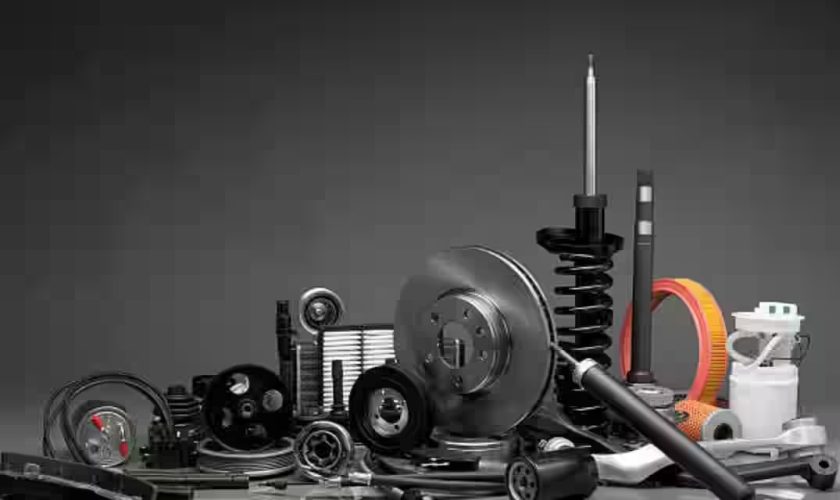
The essence of any motor vehicle is not defined merely by its silhouette or performance—but by the carefully crafted assembly of auto parts working in silent concert beneath the surface. Each journey, whether mundane or momentous, is shaped by an orchestra of components, engineered for durability, harmony, and responsiveness. To the discerning enthusiast and pragmatic driver alike, understanding auto parts is the key to unlocking a deeper appreciation of automotive reliability, safety, and subtle luxury.

The Backbone of Mobility: Fundamental Structures

The Chassis — Bedrock of Integrity

  • Acts as the primary frame supporting the vehicle’s weight and absorbing dynamic forces encountered on the road

  • Technologies range from classic ladder frames found in rugged trucks to lightweight monocoque (unibody) architectures in modern sedans and crossovers

  • Integrated crumple zones and reinforcements serve as guardians, channeling and absorbing collision energy to protect occupants

Body Panels and Architecture

  • Exterior panels—hoods, fenders, bumpers, and doors—not only shape a car’s visual identity but channel air for efficiency and protect inner workings from debris

  • Materials have evolved from heavy steel to sophisticated blends of aluminum, polymers, and high-strength composites, balancing safety, economy, and performance

The Pulse of Precision: Powertrain Components

Engines — The Heartbeat of Motion

  • Engines comprise an intricate ballet of pistons, crankshafts, valves, and timing systems, all coordinated to convert fuel or electricity into seamless forward motion

  • Modern advancements embrace turbochargers, hybrid modules, and variable valve timing to enhance efficiency without sacrificing vigor

Transmission and Drivetrain

  • Manual or automatic transmissions translate engine output into usable power, optimizing balance between acceleration, economy, and ride comfort

  • Differentials and axles distribute force to the wheels, with innovations such as all-wheel drive systems granting confidence across diverse terrains

  • Constant velocity (CV) joints provide flexibility for front-wheel drive, adapting to steering input without power loss

Guardians of Safety and Poise

Braking Systems

  • Disc and drum brakes, paired with hydraulic circuits and ABS technology, ensure composed deceleration in all conditions

  • Advanced systems now integrate electronic brake-force distribution and emergency braking aids, reducing the risks of skids and collisions

  • Brake pads, rotors, calipers, and master cylinders must harmonize flawlessly to deliver smooth, confident stops

Suspension and Steering

  • Shock absorbers, struts, springs, and control arms insulate occupants from road imperfections, optimizing both comfort and tire contact for responsive handling

  • Steering assemblies—rack-and-pinion, electric, or hydraulic—translate driver intent into precise directional change

  • Bushings and anti-roll bars curtail unwanted sway, delivering stability at speed and poise through corners

Crafting Comfort and Style: Interior Mechanisms

Climate and Seating

  • Heating, ventilation, and air conditioning (HVAC) systems employ compressors, fans, filters, and ducts to maintain cabin tempo and purity

  • Power seat adjusters, lumbar supports, and integrated heating/cooling reflect the march toward luxury once reserved for premium models

Electronic Conveniences

  • Central locking, power windows, and infotainment units blend utility with sophistication, relying on an intricate network of switches, sensors, and motors

  • Advanced driver assistance systems (ADAS), such as lane-keeping aids, blind-spot monitors, and adaptive cruise control, rely on a web of cameras, radar, and computing modules for increased safety

The Digital Core: Electronics and Intelligence

Control Units and Sensors

  • Electronic control units (ECUs) coordinate engine, transmission, safety, and entertainment systems in real-time, balancing efficiency, emissions, and performance

  • Sensors monitoring parameters like air-fuel mixture, wheel speed, and even cabin air quality inform the vehicle’s split-second decisions

Lighting and Visibility

  • LED and adaptive lighting systems, once premium luxuries, have become pillars of vision and safety on modern vehicles

  • Wipers, defoggers, and rain sensors work in unison to assure unwavering clarity in adverse conditions

Routine Sustenance: Consumables and Maintenance

  • Engine oil, air and fuel filters, and transmission fluids are the unsung defenders of longevity—regular replacement wards off wear and inefficiency

  • Brake pads, wipers, and bulbs are minor investments that pay immense dividends in safety and confidence

The Rise of the Aftermarket and Personalization

Upgrades and Enhancements

  • Performance-oriented parts—sport exhausts, high-flow air intakes, bespoke wheels, and tuning chips—empower owners to tailor their driving experience

  • Comfort upgrades, from ambient lighting kits to modern infotainment retrofits, breathe new life into classics and daily drivers alike

Sustainability and Remanufacturing

  • Remanufactured or recycled parts champion resource consciousness while offering substantial cost savings without sacrificing reliability

  • Eco-focused parts suppliers and green technologies continue to expand within the replacement and upgrade arena

Selecting with Wisdom: Strategies for Quality

  • Favor original equipment manufacturer (OEM) parts for critical systems to ensure ideal fit, safety standards, and warranty compatibility

  • Rely on reputable suppliers—prioritize warranties, detailed documentation, and customer support

  • Consult trusted professionals or verified technical resources for complex installations or performance modifications

Conclusion

Auto parts are the unsung architects of every journey, rendering performance, comfort, and safety with every rotation, spark, or signal. To appreciate them is to understand the silent discipline that elevates ordinary travel into a seamless, dependable, and even joyful experience. In a world of constant driving demands and evolving technology, the well-chosen and well-maintained auto part stands as an emblem of foresight, taste, and enduring mobility.

read more
Car Services

The Essential Compass: Elevating the Experience of Car Services

Introduction

In the dynamic world of automobiles, car services form the bridge between carefree journeys and peace of mind. The refined motorist understands that a vehicle, regardless of its pedigree or price, is only as reliable as the care it receives. In an era marked by innovation and evolving expectations, car services have transcended mere oil changes—they now encompass a holistic philosophy of maintenance, prevention, and enhancement. This article explores the sophisticated landscape of car services, illuminating why a proactive approach cultivates both driving pleasure and lasting value.

The Foundations of Trust: Understanding Car Services

Routine Maintenance: The Pulse of Longevity

Scheduled maintenance is the bedrock upon which vehicle reliability stands. This discipline includes:

  • Oil and filter changes: Regular replacement reduces engine wear, preserves performance, and curtails costly repairs.

  • Fluid checks: Transmission, brake, coolant, and power steering fluids each serve vital roles—monitoring and replenishing them is integral to seamless operation.

  • Tire care: Rotation, balancing, and alignment maximize tread life, fuel economy, and road safety.

  • Battery inspections: Checking voltage and terminals prevents sudden no-starts and countertop frustrations.

Advanced Diagnostics and Technology Integration

Contemporary vehicles are technological marvels. Car services now demand:

  • Digital health scans: Onboard computers and sensors can detect minor irregularities long before a breakdown occurs.

  • Software updates: Many cars require periodic updates for navigation, safety systems, and performance optimization.

  • Electronic system calibrations: Features like adaptive cruise, lane keep assist, and parking sensors often need expert calibration for flawless function.

The Human Element: Choosing the Right Service Provider

Credentials and Expertise

A reputable car service provider is more than a garage; it is a custodian of safety and investment:

  • Certified technicians: Look for teams with manufacturer training and up-to-date qualifications.

  • Modern facilities: Clean, organized workshops and current diagnostic equipment signal professionalism.

  • Transparent communication: Clear estimates, itemized invoices, and detailed explanations foster lasting trust.

Customer-Centric Philosophy

The most memorable service experiences share common traits:

  • Personalized attention: Providers listen carefully to concerns and tailor solutions to individual needs.

  • Proactive reminders: Automated alerts for service intervals, recalls, and inspections replace guesswork with guided care.

  • Comfort and convenience: Courtesy cars, comfortable waiting lounges, online booking, and remote payment reflect an evolving commitment to client satisfaction.

Beyond the Basics: Expanding the Definition of Car Services

Preventative and Predictive Care

No longer reactive, services have embraced a forward-thinking approach:

  • Multi-point inspections: Routine checks of brakes, suspension, lights, and belts can reveal upcoming needs and prevent sudden failures.

  • Predictive maintenance: Data analysis and telematics now forecast wear on critical components, recommending service before issues arise.

Detailing and Preservation

Car services extend to aesthetics and longevity:

  • Professional detailing: Deep cleaning, waxing, interior treatments, and engine bay care rejuvenate and protect surfaces, preserving both beauty and resale value.

  • Paint protection: Ceramic coatings and paint films guard against chips, fading, and the ravages of weather.

  • Odor and allergen removal: Advanced treatment eradicates stubborn smells and purifies cabin air, elevating the driving environment.

Value-Adding Enhancements

  • Accessories installation: Expert fitting of roof racks, electronics, dash cams, and custom interiors afford tailored utility and luxury.

  • Retrofits and upgrades: From smartphone integration to advanced lighting, skilled services help modernize cherished vehicles.

The Green Evolution: Sustainability in Car Services

Eco-Friendly Practices

The modern service center recognizes its environmental footprint:

  • Responsible waste handling: Recycling oil, filters, batteries, and coolant; disposing of tires and hazardous materials through certified channels.

  • Water-saving techniques: Smart detailing and cleaning practices minimize resource use.

  • Promoting remanufactured parts: Sourcing quality-tested, remanufactured or recycled components whenever feasible.

Electrification and Alternative Fuels

  • Hybrid and electric vehicle care: Specialized tools, high-voltage training, and battery health diagnostics are essential as new propulsion technologies proliferate.

  • Alternative fueling stations: Some providers now offer biofuel, hydrogen, or rapid EV charging to support diverse fleets.

Table: Car Services at a Glance

Service Type Purpose Frequency Benefit
Oil & Filter Change Lubrication, engine protection Every 5,000–10,000 km Extends engine life
Tire Rotation & Alignment Even wear, improved handling Every 10,000 km Enhances safety, saves tires
Brake Inspection Safety system integrity Every 20,000 km Avoids hazardous failures
Battery Check Electrical reliability Annually Prevents breakdowns
Multi-Point Inspection All-systems health overview With each service visit Early problem detection
Detailing & Protection Appearance, resale value Quarterly or as needed Preserves interior/exterior
Software Update Enhanced features, compliance As notified by manufacturer Up-to-date performance/safety

The Digital Touch: Technology Empowering Car Services

Smart Scheduling and Communication

  • Online and app-based booking streamline appointments.

  • Digital service histories and reminders help owners keep a precise record for warranty and resale purposes.

  • Video diagnostics and remote updates build transparency and trust, providing clear explanations for recommended repairs.

Remote and Mobile Service

  • Some premium providers now offer at-home maintenance, pick-up and delivery, and real-time tracking of your car’s progress—a trend set to expand with connected vehicles.

Championing Peace of Mind: Attitude and Diligence

The Owner’s Role

  • Proactive partnership amplifies benefits—heed service reminders, report irregularities, and familiarize yourself with maintenance needs.

  • Keep all documentation organized—service logs, receipts, and warranty cards aid in future claims or sales.

Building a Relationship

  • Loyalty is often reciprocated with perks: priority booking, special rates, and courtesy services.

  • Ongoing dialogue ensures treatments and recommendations remain tailored as vehicle needs evolve.

Conclusion

Car services, when approached with discernment and commitment, transform a vehicle from a depreciating commodity into a trusted companion on every road ahead. From the basics of maintenance through the refinements of detailing and the possibilities of new technology, each interaction with a quality service provider is a step toward safety, value, and lasting satisfaction. In the modern world, conscientious car care is as much a mark of character as it is of convenience—an elegant affirmation of one’s respect for both machine and journey.

read more
Automotive

Decorating with Vintage License Plates: Creative Ideas and Where to Buy Them

Vintage license plates are more than just collector’s items—they’re also fantastic conversation pieces and decorative accents. Whether you’re designing a garage, man cave, bar, office, or rustic-themed room, old plates bring character, history, and a personal touch to any space. In this article, you’ll learn creative ways to decorate with vintage license plates and where to buy authentic plates online.

Why Decorate with License Plates?

Vintage plates offer more than just function. They’re visual storytellers:

  • Visual Appeal: Plates feature bold numbers, state slogans, and unique color palettes.
  • Storytelling: A wall full of plates reflects travel, interests, or a collector’s journey.
  • Durability: Metal construction makes them ideal for indoor or outdoor use.
  • Authenticity: Unlike mass-produced wall art, each plate has a real story behind it.

Creative Display Ideas

  1. License Plate Wall Art

Create a mosaic using plates from all 50 states or a particular region. Arrange chronologically, alphabetically, or by color. This makes a striking visual centerpiece in a den or entryway.

  1. Furniture Accents

Attach plates to drawer faces, cabinet doors, or tabletops for a custom industrial look. Use clear sealant to preserve color and reduce wear. This works especially well in tool sheds, garages, or cafes.

  1. Garage and Workshop Decor

Hang a series of plates above a workbench or across the garage door. Some enthusiasts mount them on tool chests or pegboards. It creates a creative, personalized workspace that reflects your interests.

  1. DIY Crafts and Gifts

Make clocks, birdhouses, or coat racks using plates. They also make unique birthday or retirement gifts. Use plates from the recipient’s home state or birth year to make it meaningful.

  1. Outdoor Garden Decor

Mount plates on fences, garden sheds, or planter boxes. They’re weather-resistant and add rustic charm.

Where to Find Vintage Plates

A good example to start is Shoplicenseplates – A Decorator’s Treasure Trove

With a massive inventory sorted by state and year, this site is perfect for decorators looking for:

  • Plates with colorful graphics
  • Plates that fit a specific decade or theme (e.g., 1950s, Route 66)
  • Authenticity and good condition for wall mounting

Each plate comes with a clear description and photos so you know what you’re getting. Plus, they’re sourced from real vehicles—not reproductions.

Other Sources

  • Etsy: Great for art made from license plates, though many are reproductions
  • Local Antique Stores: Occasionally stock old plates, but inventory is limited
  • Flea Markets: May offer plates, but condition and authenticity vary

Shopping Tips

  • Choose plates with bold design or contrasting colors
  • Look for “good display condition” even if they’re not mint
  • Buy in sets if planning large displays or matching themes

How to Mount Plates

Depending on your display method:

  • Screws and Nails: Ideal for permanent wall displays
  • Command Strips or Velcro: Useful in rental properties or temporary exhibits
  • Frames and Shadow Boxes: Great for protecting and highlighting rare plates
  • Pegboards or Shelves: Allow flexibility and expansion

Safety and Preservation

Use rust inhibitors if displaying outdoors. Avoid adhesives that damage the plate surface. Clean plates with gentle soap and water; avoid harsh chemicals that strip paint.

Bonus Ideas

  • Use license plates as nameplates for bedrooms or offices
  • Spell out names or words using plate characters
  • Incorporate plates into headboards or wall murals

Conclusion

Decorating with vintage license plates is an easy way to personalize a space with history and creativity. With reliable online resources, you’ll find authentic, eye-catching pieces to turn any room, garden, or workspace into a showcase of Americana.

read more
Logistics

Mastering Logistics: The Backbone of Efficient Supply Chains

Logistics is the foundation of any successful business that relies on the movement of goods. It encompasses transportation, warehousing, inventory management, and supply chain coordination. An efficient logistics system ensures that products reach their destination in a timely and cost-effective manner while maintaining quality standards. Whether handling local deliveries or global shipments, mastering logistics is essential for operational efficiency and customer satisfaction.

The Importance of Logistics in Business Operations

Logistics serves as the bridge between production and consumption. Without a well-structured logistics system, businesses risk delays, increased costs, and dissatisfied customers. Whether moving raw materials to manufacturers or distributing finished products to retailers, every stage of the process demands precision.

Beyond transportation, logistics also includes storage solutions, order fulfillment, and demand forecasting. Businesses that optimize these elements gain a competitive advantage by minimizing delays and reducing waste. Strategic logistics management directly impacts profitability and brand reputation, making it a critical aspect of any supply chain.

Transportation Management: Moving Goods Efficiently

The choice of transportation method plays a significant role in logistics efficiency. Businesses must evaluate factors such as cost, speed, and reliability when selecting the most suitable mode of transport. Common options include:

  • Road Freight – Ideal for short to medium distances, road transport offers flexibility and door-to-door service. However, factors like traffic congestion and fuel costs can influence delivery times.
  • Rail Transport – A cost-effective option for bulk goods, particularly for long distances. Railways provide a stable and predictable schedule, reducing transit-related uncertainties.
  • Air Freight – The fastest mode of transportation, often used for high-value or time-sensitive shipments. While efficient, air transport comes at a higher cost, making it suitable for specific industries.
  • Sea Freight – Best suited for international shipping, offering a cost-effective solution for large quantities. Though slower than air freight, it remains the preferred choice for businesses dealing with bulk goods.

Selecting the right mode of transport depends on the nature of the cargo, delivery timelines, and budget considerations. A well-planned transportation strategy enhances supply chain efficiency and minimizes disruptions.

Warehousing and Inventory Management

Warehousing plays a vital role in logistics by providing a secure storage facility for goods before distribution. Effective warehouse management ensures that inventory remains organized, accessible, and protected from damage.

Modern businesses rely on warehouse automation to streamline operations. Technologies such as barcode scanning, RFID tracking, and robotic sorting systems enhance accuracy and reduce handling times. Efficient inventory management involves:

  • Stock Optimization – Maintaining the right balance between supply and demand prevents overstocking and shortages.
  • Real-Time Tracking – Advanced software solutions allow businesses to monitor stock levels and track shipments in real time.
  • Order Fulfillment Efficiency – A well-structured warehouse reduces delays in processing orders, leading to faster deliveries and improved customer satisfaction.

By integrating technology into warehousing operations, businesses can enhance productivity and reduce storage-related costs.

The Role of Technology in Logistics

Technology has transformed logistics, making operations more transparent and efficient. Digital tools enable businesses to monitor shipments, analyze performance, and optimize routes. Key technological advancements include:

  • GPS Tracking and Fleet Management – Real-time tracking of vehicles ensures efficient route planning and timely deliveries. Fleet management systems help reduce fuel consumption and optimize delivery schedules.
  • Artificial Intelligence (AI) and Predictive Analytics – AI-driven analytics help businesses forecast demand, identify potential disruptions, and improve decision-making processes.
  • Blockchain for Supply Chain Transparency – Blockchain technology enhances security and traceability by creating tamper-proof records of transactions and shipments.
  • Internet of Things (IoT) Sensors – IoT devices monitor temperature, humidity, and other conditions to ensure perishable goods are transported under optimal conditions.

By adopting these innovations, businesses gain greater control over their logistics operations, reducing inefficiencies and enhancing service reliability.

Supply Chain Coordination and Risk Management

Logistics is a critical component of supply chain management, requiring seamless coordination between suppliers, manufacturers, and distributors. Any disruption in one segment of the supply chain can have a ripple effect on the entire process.

Risk management in logistics involves identifying potential threats such as weather-related delays, geopolitical tensions, or labor shortages. Contingency planning ensures that businesses can adapt to unexpected challenges without compromising delivery schedules. Diversifying suppliers, maintaining buffer stock, and leveraging real-time data analytics help mitigate risks and maintain operational stability.

Sustainable Logistics Practices

Sustainability has become a priority in modern logistics, with businesses focusing on reducing their environmental impact. Green logistics initiatives include:

  • Eco-Friendly Transportation – The adoption of electric and hybrid vehicles reduces carbon emissions.
  • Optimized Route Planning – Advanced software solutions minimize fuel consumption by identifying the most efficient delivery routes.
  • Sustainable Packaging – Using biodegradable or recyclable materials reduces waste and promotes environmentally responsible practices.
  • Energy-Efficient Warehouses – Implementing renewable energy sources and energy-saving technologies in warehouses reduces operational costs while supporting sustainability goals.

By embracing sustainable logistics strategies, businesses contribute to environmental conservation while enhancing their corporate image.

Enhancing Customer Satisfaction Through Logistics

The efficiency of a logistics system directly influences customer experience. Fast and reliable deliveries, accurate order tracking, and responsive customer support build trust and encourage repeat business. Customers expect real-time updates on their shipments, making transparency a key factor in logistics success.

Offering flexible delivery options, such as same-day or scheduled deliveries, adds convenience for consumers. A well-executed returns management system also strengthens customer confidence, ensuring that exchanges or refunds are handled smoothly.

Businesses that prioritize logistics excellence gain a strong reputation in their industry. The ability to deliver products promptly, securely, and cost-effectively positions them as reliable partners in the supply chain.

read more
Car Services

The Essential Guide to Car Services: Maintaining Performance and Longevity

A well-maintained vehicle is more than just a convenience—it is a necessity for safety, reliability, and performance. Regular car servicing prevents costly repairs, extends the lifespan of the vehicle, and ensures optimal efficiency. Understanding the range of services available and their importance allows drivers to make informed decisions about vehicle maintenance. Below, we explore the fundamental aspects of car services and why they are essential for every car owner.

Routine Maintenance: The Foundation of Vehicle Health

Routine maintenance forms the backbone of any well-functioning vehicle. This includes regular oil changes, fluid top-ups, tire rotations, and brake inspections. Neglecting these basic services can lead to engine wear, decreased fuel efficiency, and unexpected breakdowns.

Oil changes are particularly crucial, as engine oil lubricates moving parts, reduces friction, and prevents overheating. Over time, oil degrades and accumulates debris, making it less effective. Adhering to manufacturer recommendations for oil changes preserves engine performance and reduces long-term repair costs.

Similarly, checking and replenishing essential fluids—such as coolant, transmission fluid, and brake fluid—ensures that all components operate smoothly. Tire maintenance, including rotations and pressure checks, contributes to even wear, improved handling, and enhanced fuel economy.

Brake and Suspension Services: Ensuring Safety on the Road

The braking system is one of the most critical components of any vehicle. Worn brake pads, low fluid levels, or malfunctioning calipers can compromise stopping power, posing a serious safety risk. Routine brake inspections identify potential issues early, preventing expensive repairs and ensuring the system functions as intended.

Beyond braking, the suspension system plays a significant role in ride comfort and vehicle stability. Worn-out shocks and struts affect steering responsiveness and can lead to uneven tire wear. Addressing these issues promptly enhances driving comfort while maintaining the structural integrity of the vehicle.

Engine Diagnostics and Performance Checks

Modern vehicles are equipped with sophisticated electronic systems that monitor engine performance. When the check engine light appears, it signals an underlying issue that requires attention. Professional diagnostics help pinpoint problems within the fuel system, ignition components, or emissions control.

Ignoring warning lights or unusual engine behavior can lead to more severe damage over time. Timely inspections ensure that the vehicle continues to operate efficiently, reducing fuel consumption and emissions. Skilled technicians use advanced diagnostic tools to assess engine performance, detect malfunctions, and restore optimal function.

Battery and Electrical System Maintenance

A well-functioning electrical system is essential for starting the vehicle, powering lights, and operating infotainment systems. Battery health checks prevent unexpected failures, especially in extreme weather conditions. Corroded terminals, weak connections, or an aging battery can result in unreliable starts and diminished power supply.

Beyond the battery, alternators and starters must be inspected to ensure the vehicle’s electrical components receive consistent power. Addressing electrical faults early prevents disruptions and costly replacements down the line.

Air Conditioning and Climate Control Services

A well-maintained climate control system enhances driving comfort in all weather conditions. Over time, refrigerant levels may drop, filters become clogged, and compressor components wear out. Regular servicing of the air conditioning system ensures consistent airflow, efficient cooling, and improved air quality inside the vehicle.

Addressing climate control issues promptly not only improves comfort but also prevents strain on the engine. A properly functioning system reduces the workload on other components, contributing to overall vehicle efficiency.

Tire and Wheel Alignment: Optimizing Performance and Safety

Tires influence fuel economy, handling, and braking efficiency. Regular inspections help detect uneven tread wear, sidewall damage, and punctures before they compromise safety. Rotating tires at recommended intervals promotes even wear, extending their lifespan and improving road grip.

Wheel alignment is equally important. Misaligned wheels cause uneven tire wear, reduce fuel efficiency, and affect steering precision. Professional alignment services restore proper positioning, ensuring stability and a smooth driving experience. To achieve this level of precision, garages and service centres rely on specialized workshop equipment. Modern garages use advanced systems to measure and adjust wheel angles with high accuracy.

Many workshops choose Supertracker wheel aligment products, for instance, to complete these checks quickly and reliably. Having the right machinery helps technicians find even small alignment errors. This ensures that the vehicle is safe to drive before it leaves the workshop.

Exhaust System and Emissions Control

The exhaust system plays a vital role in reducing emissions and maintaining fuel efficiency. Faulty catalytic converters, damaged oxygen sensors, or leaks in the system can impact engine performance and increase pollution. Regular inspections help identify blockages, rust, or other issues that may compromise the vehicle’s environmental compliance.

Ensuring that the exhaust system functions correctly not only reduces harmful emissions but also enhances fuel economy. Professional servicing keeps the vehicle running efficiently while adhering to environmental regulations.

Long-Term Benefits of Regular Car Services

Regular servicing is an investment in the longevity and reliability of a vehicle. It prevents costly breakdowns, enhances safety, and maintains optimal performance. A well-documented service history also adds value to the vehicle, making it more attractive to buyers when the time comes for an upgrade.

By staying proactive with maintenance, car owners enjoy smoother rides, reduced repair expenses, and greater peace of mind. A commitment to regular servicing ensures that every drive remains safe, efficient, and enjoyable.

read more
Auto Dealer

The Art of Running a Successful Auto Dealership

The automotive retail industry is a dynamic space where success hinges on expertise, strategy, and an understanding of customer expectations. An auto dealership is more than a place where vehicles change hands—it is a business that thrives on trust, reputation, and efficiency. A well-run dealership balances inventory management, customer service, marketing, and financial oversight to create a seamless operation. Below, we examine the essential components that define a thriving auto dealership.

Understanding Market Demand and Inventory Management

A dealership’s success starts with knowing what customers want. Consumer preferences shift based on economic conditions, fuel prices, and technological advancements in vehicles. Monitoring these factors helps dealers stock the right mix of vehicles, from fuel-efficient models to premium SUVs.

Effective inventory management prevents capital from being tied up in vehicles that do not sell quickly. Implementing data-driven strategies, such as analyzing historical sales trends and forecasting demand, ensures that a dealership maintains a well-balanced selection. Furthermore, collaborating with manufacturers and wholesalers to secure popular models at the right time strengthens a dealership’s competitive position.

Creating an Unparalleled Customer Experience

The customer experience begins long before a visitor steps onto the lot. Today’s buyers conduct extensive research online, reading reviews and comparing models. A dealership’s digital presence should be informative and user-friendly, offering detailed vehicle descriptions, financing options, and transparent pricing.

Once a potential buyer arrives, the interaction must be smooth and personalized. A knowledgeable sales team, a transparent negotiation process, and a welcoming environment all contribute to a positive experience. Going beyond the transaction, following up with customers after their purchase reinforces trust and encourages repeat business.

The Role of Digital Marketing and Online Presence

An auto dealership’s success is increasingly tied to its digital footprint. A well-optimized website, active social media engagement, and strategic online advertising all contribute to brand visibility. Search engine optimization (SEO) ensures that a dealership appears prominently in search results when potential buyers look for specific makes and models.

Social media platforms allow dealerships to showcase new arrivals, special promotions, and customer testimonials. Video content, such as virtual test drives and service demonstrations, provides an engaging way to connect with potential buyers. Additionally, responding to online inquiries promptly enhances credibility and signals a commitment to customer satisfaction.

Financial Management and Profitability Strategies

Sustaining a profitable dealership requires careful financial oversight. Pricing strategies should align with market conditions while ensuring healthy margins. Offering a mix of financing options—including loans, leases, and trade-ins—attracts a broader customer base.

Beyond vehicle sales, service and maintenance departments provide additional revenue streams. Many dealerships bolster profitability through extended warranties, service packages, and certified pre-owned programs. Managing operational costs efficiently—whether through negotiating favorable terms with suppliers or streamlining staffing—contributes to long-term stability.

The Importance of a Skilled Sales and Service Team

A dealership’s staff plays a crucial role in shaping its reputation. Sales professionals must be well-versed in the features and benefits of various models while maintaining an approachable and consultative sales style. The best sales teams prioritize helping customers make informed decisions rather than pushing high-margin vehicles.

The service department is equally vital. Skilled technicians ensure that customers return for routine maintenance, which strengthens brand loyalty. A well-run service department not only enhances the dealership’s profitability but also reinforces its reliability in the eyes of customers.

Adapting to Industry Trends and Technological Advancements

The automotive landscape is constantly evolving, with innovations in electric vehicles (EVs), autonomous driving technology, and connectivity features reshaping consumer expectations. Successful dealerships stay ahead by educating their teams on the latest developments and adapting their inventory accordingly.

Many modern dealerships invest in digital retailing tools that allow customers to complete much of the purchasing process online. Virtual showrooms, online financing applications, and remote vehicle delivery options cater to buyers who value convenience. Keeping pace with these shifts ensures that a dealership remains relevant in a rapidly changing market.

Building Long-Term Customer Relationships

The foundation of any reputable dealership is customer loyalty. Securing a sale is just the beginning—maintaining a relationship through exceptional service, personalized communication, and exclusive offers encourages repeat business. A dealership that prioritizes long-term engagement benefits from word-of-mouth referrals and a strong reputation in the community.

Loyalty programs, seasonal promotions, and proactive service reminders keep customers engaged. Satisfied buyers are more likely to return for their next purchase and recommend the dealership to family and friends. Consistently delivering value fosters a sense of trust that no advertising campaign can replicate.

Conclusion

A successful auto dealership is built on expertise, adaptability, and a commitment to customer satisfaction. From inventory selection to digital marketing and service excellence, every aspect of the business must be carefully managed. By embracing innovation, maintaining financial discipline, and fostering lasting relationships, a dealership secures its place in an industry that continues to evolve.

read more
Automotive

Nearest You Can Park to a Junction: What You Need to Know

Parking near a junction can be tricky, and understanding the rules is essential to avoid fines, penalties, or even accidents. The proximity of parked vehicles to a junction significantly impacts visibility and the overall safety of road users. Different countries have their own regulations, but in the UK, the Highway Code offers specific guidelines on how far away you should park from a junction. This article explores why parking near junctions is regulated, the rules you need to follow, and tips for safe and legal parking.

Why Parking Near a Junction is Regulated

Parking too close to a junction can obstruct the view of drivers, cyclists, and pedestrians. This creates a dangerous situation, as it becomes difficult for those entering or exiting the junction to see oncoming traffic. A parked vehicle near a junction also reduces space for larger vehicles, such as buses or emergency services, making it harder for them to navigate safely.

Accidents are more likely to happen at or near junctions where visibility is compromised. Obstructed views caused by improperly parked vehicles can lead to side-impact collisions, rear-end accidents, or incidents involving pedestrians. The rules around junction parking aim to minimize these risks and ensure a clear line of sight for all road users.

The Highway Code on Parking Near a Junction

In the UK, the Highway Code clearly states that you should not park within 10 meters (32 feet) of a junction. This distance allows drivers and other road users to see clearly in all directions, reducing the chance of collisions or near-misses.

The specific rule is found in Rule 243 of the Highway Code, which advises: “DO NOT stop or park opposite or within 10 meters (32 feet) of a junction, except in an authorized parking space.” This means that even if it seems like there is enough room to park, you should avoid doing so if it is within the 10-meter distance unless there are designated parking bays.

This rule applies to all types of junctions, including T-junctions, crossroads, and roundabouts. Whether you’re driving in a residential area or in a busier part of town, the 10-meter rule helps maintain safety and ensures clear sightlines for everyone on the road.

Penalties for Parking Too Close to a Junction

Failing to adhere to the parking regulations near a junction can result in penalties. Parking tickets may be issued by traffic enforcement officers if you park within the restricted zone. In some cases, your vehicle may even be towed, especially if it’s causing a significant obstruction.

Fines for illegal parking near a junction can vary depending on the severity of the obstruction and local laws. In the UK, the fine for improper parking can range from £30 to £100 or more, depending on the circumstances. Parking too close to a junction is considered a serious offense, as it poses a danger to both drivers and pedestrians.

Tips for Safe and Legal Parking Near a Junction

Here are some practical tips to ensure you park safely and legally near a junction:

  1. Always Measure the Distance: If you’re unsure how far away you are from the junction, it’s always better to overestimate the distance. Give yourself extra room to ensure you’re not violating the 10-meter rule.
  2. Look for Marked Spaces: In some areas, especially near busy junctions, there may be designated parking bays or spots. If these are available, use them, as they’re designed to keep traffic flowing smoothly while allowing safe parking.
  3. Avoid Parking on Corners: Parking on a corner can obstruct views even more than parking near a straight stretch of road. Always leave plenty of space so other drivers can see clearly.
  4. Be Considerate of Pedestrians: When parking near a junction, consider the needs of pedestrians, especially those with prams, wheelchairs, or mobility scooters. Ensure you’re not blocking any dropped kerbs or pedestrian crossings.
  5. Watch for Yellow Lines: Double or single yellow lines near a junction indicate parking restrictions. Pay close attention to these markings, as parking on them can lead to immediate fines and even towing.

Additional Considerations

While the 10-meter rule is a good standard, it’s important to be mindful of local regulations, as they can vary. In some areas, stricter measures may be in place to maintain safety. For instance, near schools or busy intersections, the local council may implement additional restrictions.

Additionally, when driving abroad, parking laws can differ significantly from those in the UK. Always familiarize yourself with the local Highway Code to avoid penalties and ensure safe driving practices.

Conclusion

Parking near a junction requires careful consideration to ensure the safety of all road users. The UK’s Highway Code stipulates that vehicles should be parked no closer than 10 meters from a junction to maintain clear visibility and minimize the risk of accidents. By following these guidelines, drivers can avoid penalties and contribute to a safer driving environment. Whether you’re in a busy city or a quiet neighborhood, adhering to these rules ensures that everyone can navigate the roads more safely and efficiently.

read more
Auto Dealer

Navigating the Future: Unveiling the Impact of Augmented Reality on Car Navigation Systems

Introduction: In an era where technology is continually reshaping our daily experiences, the automotive industry stands at the forefront of innovation. Augmented Reality (AR) has emerged as a game-changer, transforming traditional car navigation systems into intuitive and immersive tools. In this article, we will delve into the role of Augmented Reality in revolutionizing the way we navigate, providing a glimpse into the future of driving.

  1. Enhanced Visualization of Navigation Information: Augmented Reality elevates the conventional navigation experience by superimposing digital information onto the real-world view through the car’s windshield. This means that instead of glancing at a two-dimensional map on a screen, drivers receive intuitive, real-time directions overlaid onto the actual road, enhancing situational awareness and reducing the chances of missing turns or exits.
  2. Intuitive Turn-by-Turn Directions: AR navigation systems offer turn-by-turn directions with unprecedented clarity. As the driver approaches a junction or exit, visual cues such as arrows and street names seamlessly appear on the windshield, eliminating the need to divert attention to a separate screen. This not only simplifies the navigation process but also enhances safety by minimizing distractions.
  3. Live Traffic Updates and Alternate Routes: Real-time traffic updates are a crucial aspect of modern navigation, and AR takes this to the next level. With live data integration, drivers receive dynamic information about traffic conditions, accidents, and road closures directly on their windshield. Additionally, AR navigation systems can suggest alternative routes in response to changing traffic patterns, ensuring a smoother and more efficient journey.
  4. Points of Interest and Local Information: Augmented Reality enriches the driving experience by overlaying information about points of interest onto the real-world environment. Imagine having details about nearby restaurants, gas stations, or attractions displayed directly in your line of sight. This feature not only adds convenience but also encourages exploration and discovery during the journey.
  5. Lane Guidance and Enhanced Safety: AR navigation systems provide advanced lane guidance by projecting visible lane markings and directions onto the windshield. This helps drivers navigate complex intersections and highway exits with confidence, reducing the likelihood of missed turns or abrupt lane changes. The result is a safer and more predictable driving experience.
  6. Integration with Vehicle Diagnostics: Beyond navigation, AR can integrate with the vehicle’s diagnostics system. This means that drivers can receive real-time information about the car’s health, fuel levels, and maintenance alerts directly on the windshield. This proactive approach to vehicle health ensures that drivers stay informed and can address potential issues promptly.
  7. Personalized User Experience: AR navigation systems have the capability to learn from user behavior and preferences. By analyzing past routes and driving patterns, these systems can offer personalized suggestions, such as preferred routes or frequent stops. This level of customization enhances user satisfaction and streamlines the overall driving experience.
  8. Future Innovations and Expansion: The role of Augmented Reality in car navigation systems is continuously evolving. As technology advances, we can expect further integration with other smart devices, enhanced environmental awareness, and even more sophisticated features that redefine how we interact with our vehicles and the road.

In the ever-changing landscape of automotive technology, Augmented Reality stands out as a transformative force in car navigation systems. With its ability to enhance visualization, provide intuitive directions, and offer a personalized driving experience, AR is steering us towards a future where the journey is as captivating as the destination.

read more
1 2 3 4 5 7
Page 3 of 7