
close

Nicolas Xander

Vehicles

Vehicle Customization Trends Redefining Personal Expression Through Automobiles

Automobiles have evolved far beyond their original role as simple modes of transportation. Today, they function as personal statements, creative canvases, and lifestyle extensions. Vehicle customization has surged in popularity as drivers seek unique ways to reflect identity, values, and taste through their cars. From subtle interior upgrades to bold exterior transformations, customization trends are reshaping how people connect emotionally with their vehicles.

The Rise of Personal Expression in Automotive Culture

Modern drivers no longer want factory-standard designs. The shift toward personalization is driven by social media exposure, online automotive communities, and easier access to aftermarket parts. Cars are now viewed as mobile reflections of individuality, similar to fashion or home décor.

Customization also bridges generations. Younger drivers embrace experimental aesthetics, while seasoned enthusiasts favor refined, performance-oriented upgrades. This diversity has expanded the customization landscape significantly.

Exterior Customization: Making a Statement on the Road

Exterior modifications remain the most visible form of personalization. These changes instantly transform how a vehicle is perceived.

Popular Exterior Trends

  • Vinyl wraps replacing traditional paint for flexibility and cost efficiency

  • Matte, satin, and color-shifting finishes for bold visual impact

  • Aftermarket wheels and low-profile tires enhancing stance and style

  • LED lighting upgrades including headlights, taillights, and underglow

  • Body kits and aerodynamic add-ons for sportier aesthetics

Vinyl wraps stand out as a favorite because they allow experimentation without permanent commitment, making them ideal for trend-conscious drivers.

Interior Customization: Comfort Meets Personality

Inside the cabin, customization focuses on comfort, technology, and ambiance. Drivers are investing more in the interior experience as commuting time increases.

Key Interior Customization Trends

  • Custom upholstery using leather, suede, or eco-friendly materials

  • Ambient lighting systems with adjustable color themes

  • Personalized dashboards and trim accents

  • Advanced infotainment upgrades with larger touchscreens

  • Custom steering wheels and shift knobs

These enhancements turn the cabin into a personalized space that reflects lifestyle preferences, whether minimalist, luxurious, or performance-driven.

Performance Customization: Beyond Visual Appeal

Not all customization is about looks. Many enthusiasts prioritize performance upgrades that improve how the vehicle feels and responds.

Common Performance Modifications

  • Suspension tuning for improved handling or ride comfort

  • Exhaust system upgrades enhancing sound and airflow

  • Engine tuning and ECU remapping for better power delivery

  • Brake system enhancements for safety and control

Performance customization allows drivers to tailor vehicles to specific driving styles, from daily commuting to track-focused performance.

Technology-Driven Customization Trends

Digital innovation has unlocked new levels of personalization. Smart technology enables customization that adapts to driver behavior and preferences.

Emerging Tech-Based Enhancements

  • Smart lighting systems synced with driving modes

  • AI-powered infotainment customization

  • Advanced driver-assistance personalization

  • Integrated voice controls and app-based vehicle settings

Technology-driven customization blends convenience with individuality, making vehicles more intuitive and responsive.

Sustainability and Eco-Conscious Customization

Sustainability is becoming a key factor in customization decisions. Environmentally conscious drivers are choosing upgrades that align with green values.

Eco-Friendly Customization Options

  • Recycled and vegan interior materials

  • Lightweight components improving fuel efficiency

  • Solar-powered accessories

  • Electric vehicle performance and aesthetic upgrades

These trends show that personalization and environmental responsibility can coexist.

The Influence of Social Media and Online Communities

Online platforms play a major role in shaping customization trends. Car enthusiasts share builds, tutorials, and inspiration across social channels, accelerating trend adoption.

Customization is no longer limited by geography. Ideas spread globally, encouraging cross-cultural influences in design, color choices, and styling philosophies.

Customization as a Reflection of Identity

Vehicle customization goes beyond aesthetics and performance. It represents personal storytelling. Every modification, whether subtle or extreme, communicates something about the driver’s personality, values, and lifestyle.

As vehicles become more customizable and accessible, this trend will continue redefining the emotional bond between people and their cars.

Frequently Asked Questions (FAQ)

What is the most popular vehicle customization trend today?

Vinyl wraps and lighting upgrades are among the most popular due to affordability, versatility, and visual impact.

Does vehicle customization affect resale value?

It depends on the modifications. Reversible and high-quality upgrades may preserve value, while extreme changes can limit buyer appeal.

Are customizations legal in all regions?

No. Laws vary by location, especially for lighting, exhaust noise, and window tinting. Always check local regulations before modifying.

How much does vehicle customization typically cost?

Costs range widely. Minor interior upgrades can be affordable, while full exterior and performance builds may require significant investment.

Can customization void a vehicle warranty?

Certain modifications can affect warranties, particularly engine and electronic changes. It’s important to review manufacturer policies.

Is professional installation necessary for custom parts?

While some upgrades are DIY-friendly, professional installation ensures safety, durability, and compliance with regulations.

Are electric vehicles customizable like traditional cars?

Yes. EV customization is growing rapidly, focusing on software features, lightweight components, and sustainable interior upgrades.


read more
Used Car

Financing Options Explained for Buyers Purchasing Used Cars

Buying a used car can be a smart financial decision, but choosing the right financing option is just as important as selecting the vehicle itself. Understanding how each option works helps buyers reduce interest costs, avoid hidden fees, and stay within budget over the long term. This guide breaks down the most practical and commonly used financing methods for purchasing a used car.

Why Financing Matters When Buying a Used Car

Used cars typically cost less than new ones, but financing terms can vary widely. Interest rates, loan length, and lender requirements all affect the total cost of ownership. A well-chosen loan can save thousands over time, while a poor one can quickly erase the savings of buying used.

Key factors influenced by financing include:

  • Monthly payment amount

  • Total interest paid over the loan term

  • Loan flexibility and repayment penalties

  • Approval speed and eligibility requirements

Bank and Credit Union Auto Loans

Traditional lenders remain one of the most reliable ways to finance a used car.

How It Works

You apply directly through a bank or credit union, get pre-approved, and then use the loan to purchase a vehicle from a dealer or private seller.

Pros

  • Lower interest rates, especially with credit unions

  • Fixed monthly payments

  • Strong consumer protections

Cons

  • Stricter credit requirements

  • Longer approval process

Credit unions are often the most cost-effective option for buyers with good to excellent credit.

Dealership Financing

Many used car dealerships offer in-house financing or work with multiple lenders.

How It Works

The dealer arranges the loan on your behalf after you select a vehicle.

Pros

  • Convenience and fast approval

  • Promotional offers for qualified buyers

  • One-stop buying process

Cons

  • Higher interest rates in some cases

  • Limited transparency on loan terms

Always review the annual percentage rate (APR) and total loan cost before signing.

Online Auto Lenders

Digital lenders have grown in popularity due to speed and flexibility.

How It Works

Applications are completed online, often with instant pre-approval and competitive rate comparisons.

Pros

  • Quick approval decisions

  • Easy comparison between lenders

  • Competitive rates for strong credit profiles

Cons

  • Limited support for private-party purchases

  • Fees may apply depending on the lender

Online lenders are ideal for buyers who want to compare options without visiting multiple locations.

Buy Here, Pay Here (BHPH) Financing

This option is typically offered by smaller dealerships catering to buyers with poor or limited credit.

How It Works

The dealership acts as both seller and lender, and payments are made directly to them.

Pros

  • Easier approval with low credit scores

  • Minimal documentation

Cons

  • Very high interest rates

  • Short loan terms

  • Risk of aggressive repossession policies

This should be considered only as a last resort.

Personal Loans for Used Cars

Some buyers use unsecured personal loans to purchase used vehicles.

How It Works

You receive a lump sum loan and use it to buy the car outright.

Pros

  • No vehicle restrictions

  • Can buy from private sellers easily

  • Faster ownership without liens

Cons

  • Higher interest rates than auto loans

  • Shorter repayment terms

Personal loans work best for buyers with strong credit and short-term repayment plans.

Key Factors Lenders Consider

Before approving a used car loan, lenders evaluate several criteria:

  • Credit score and credit history

  • Income stability and debt-to-income ratio

  • Vehicle age, mileage, and value

  • Loan term length and down payment amount

Improving these factors can lead to better rates and terms.

Tips to Secure Better Financing

  • Get pre-approved before shopping

  • Make a larger down payment to reduce interest

  • Choose the shortest loan term you can afford

  • Avoid add-ons that increase loan balance

  • Compare at least three financing offers

FAQs

1. Is it harder to finance a used car than a new one?

Yes, used car loans often carry slightly higher interest rates due to depreciation and risk, but strong credit can offset this.

2. What credit score is needed to finance a used car?

Most lenders prefer a score of 620 or higher, though some options exist for lower scores at higher rates.

3. Can I finance a used car from a private seller?

Yes, banks, credit unions, and personal loans commonly support private-party purchases.

4. How long can a used car loan term be?

Typical terms range from 36 to 72 months, depending on vehicle age and lender policies.

5. Does a larger down payment help with approval?

Yes, a larger down payment lowers lender risk and can improve approval odds and interest rates.

6. Should I choose fixed or variable interest rates?

Fixed rates are generally safer, offering predictable monthly payments throughout the loan term.

7. Can I refinance a used car loan later?

Yes, refinancing is possible if your credit improves or market rates drop, potentially reducing monthly payments.

read more
Logistics

Green Logistics Innovations Driving Eco-Friendly Transportation and Distribution Models

Green logistics has moved from a niche sustainability concept to a core operational strategy for modern supply chains. Rising fuel costs, stricter environmental regulations, and growing customer demand for responsible business practices are accelerating innovation in transportation and distribution. Today’s logistics leaders are rethinking how goods move, where emissions occur, and how technology can reduce environmental impact without sacrificing efficiency.

Understanding Green Logistics in the Modern Supply Chain

Green logistics focuses on minimizing the ecological footprint of logistics activities while maintaining service quality and cost control. It spans transportation, warehousing, packaging, and distribution network design.

Key objectives include:

  • Lowering greenhouse gas emissions
  • Reducing energy and fuel consumption
  • Minimizing waste across logistics operations
  • Improving resource efficiency through smarter planning

Electric and Alternative-Fuel Transportation Systems

One of the most visible innovations in green logistics is the shift away from diesel-powered fleets.

Electric Vehicles (EVs) in Freight Transport

Electric trucks and vans are increasingly used for last-mile and regional deliveries. They produce zero tailpipe emissions and significantly reduce noise pollution in urban areas.

Advantages include:

  • Lower operating and maintenance costs
  • Reduced carbon emissions
  • Compliance with urban low-emission zones

Alternative Fuels for Long-Haul Logistics

For routes where full electrification remains challenging, logistics providers are adopting:

  • Compressed natural gas (CNG)
  • Liquefied natural gas (LNG)
  • Hydrogen fuel cells

These fuels offer cleaner combustion and lower emissions compared to traditional diesel.

Smart Routing and AI-Driven Optimization

Advanced analytics and artificial intelligence are transforming how goods move through transportation networks.

Innovations include:

  • Real-time route optimization to avoid congestion
  • Load consolidation to reduce empty miles
  • Predictive maintenance to improve vehicle efficiency

By optimizing routes and delivery schedules, companies cut fuel usage while improving delivery reliability.

Sustainable Warehousing and Distribution Centers

Warehouses are no longer just storage points; they are active contributors to sustainability goals.

Energy-Efficient Warehouse Design

Modern distribution centers integrate:

  • Solar panels and renewable energy systems
  • LED lighting with motion sensors
  • High-efficiency heating and cooling systems

Automation for Reduced Energy Use

Automated storage and retrieval systems (AS/RS) optimize space usage and reduce energy waste by streamlining material handling processes.

Eco-Friendly Packaging and Reverse Logistics

Packaging and returns management play a critical role in sustainable distribution models.

Key developments include:

  • Recyclable and biodegradable packaging materials
  • Lightweight packaging to reduce transportation emissions
  • Reverse logistics systems for product returns, recycling, and refurbishing

Reverse logistics helps recover value while preventing waste from entering landfills.

Collaborative Logistics and Shared Transportation Models

Collaboration among logistics providers is reducing duplication and inefficiency.

Examples of collaborative approaches:

  • Shared warehousing and transportation networks
  • Multi-brand delivery consolidation
  • Urban micro-hubs for last-mile distribution

These models lower total vehicle miles traveled and reduce emissions across shared supply chains.

Measuring Impact Through Carbon Tracking and Reporting

Transparency is essential for effective green logistics strategies.

Modern logistics platforms enable:

  • Real-time carbon footprint tracking
  • Emissions reporting by shipment or route
  • Data-driven sustainability benchmarking

Accurate measurement helps organizations set realistic reduction targets and demonstrate progress to stakeholders.

The Future of Eco-Friendly Transportation and Distribution

Green logistics innovations are reshaping how goods move globally. As technologies mature and regulations tighten, sustainable transportation and distribution will become standard practice rather than a competitive differentiator. Companies that invest early gain cost advantages, resilience, and stronger brand trust.

Frequently Asked Questions (FAQ)

1. How does green logistics impact overall supply chain costs?

While initial investments may be higher, green logistics often reduces long-term costs through fuel savings, energy efficiency, and optimized operations.

2. Are electric trucks suitable for all types of logistics operations?

Electric trucks are ideal for last-mile and regional deliveries, while long-haul operations may still rely on alternative fuels or hybrid models.

3. What role does data play in sustainable logistics decisions?

Data enables accurate emissions tracking, route optimization, and performance monitoring, making sustainability efforts measurable and scalable.

4. How do customers benefit from green logistics practices?

Customers benefit from lower environmental impact, improved delivery reliability, and alignment with sustainability values.

5. Can small and medium-sized businesses adopt green logistics?

Yes, scalable solutions like route optimization software, shared transportation, and energy-efficient packaging make green logistics accessible to smaller firms.

6. What regulations are driving green logistics adoption?

Emission standards, low-emission zones, and carbon reporting requirements are major regulatory drivers across many regions.

7. How does reverse logistics contribute to sustainability?

Reverse logistics reduces waste by enabling recycling, refurbishment, and responsible disposal of returned products.

read more
Driving Tips

Driving Tips To Minimize Distractions And Improve Concentration While Driving

Driving demands steady focus, quick judgment, and constant awareness of changing road conditions. Even small distractions can break concentration and increase the risk of mistakes. By adopting mindful habits and preparing before you start the engine, you can significantly improve your attention behind the wheel and make every journey safer.

Why Distraction-Free Driving Matters

Distractions delay reaction time, reduce situational awareness, and make it harder to anticipate hazards. Whether it’s a buzzing phone or a wandering thought, anything that pulls attention away from the road can have serious consequences. Staying focused is not just about safety—it also makes driving less stressful and more controlled.

Prepare Yourself Before You Start Driving

Good concentration begins even before you put the car in gear. A few simple steps can prevent unnecessary distractions later.

  • Adjust mirrors, seat, and climate controls before moving.

  • Set navigation and music playlists in advance.

  • Silence or store your phone out of reach to avoid temptation.

Taking these steps early keeps your hands and mind free once the car is in motion.

Manage In-Car Distractions Effectively

Modern vehicles are filled with technology, but not all of it supports focus. Learning how to manage these features is essential.

  • Keep audio volume moderate so external sounds remain audible.

  • Use hands-free systems sparingly, only when necessary.

  • Avoid adjusting settings or searching for items while driving.

The goal is to reduce anything that competes with your attention.

Control External Distractions on the Road

Not all distractions come from inside the car. Outside influences can be just as disruptive.

  • Stay calm around aggressive or unpredictable drivers.

  • Avoid rubbernecking at accidents or roadside events.

  • Focus on your lane, speed, and following distance, not on what others are doing.

Training your eyes to scan ahead rather than fixate on distractions improves overall awareness.

Strengthen Mental Focus While Driving

Concentration is also a mental skill. Keeping your mind engaged with the task of driving reduces daydreaming.

  • Practice commentary driving, mentally noting traffic signals and hazards.

  • Take breaks on long trips to prevent mental fatigue.

  • Avoid driving when overly tired, stressed, or emotionally upset.

A calm, alert mind responds faster and makes better decisions.

Create a Distraction-Free Driving Environment

Your vehicle environment influences your focus more than you may realize.

  • Keep the cabin clean and clutter-free.

  • Secure loose items so they don’t roll around.

  • Ensure proper ventilation and comfortable temperature to avoid drowsiness.

A well-organized space supports clearer thinking and smoother driving.

Build Long-Term Safe Driving Habits

Consistency turns good practices into automatic behavior.

  • Make focused driving a personal rule, not an occasional effort.

  • Encourage passengers to respect your concentration.

  • Reflect after trips and note what distracted you, then adjust next time.

Over time, these habits become second nature and greatly reduce risk.

Frequently Asked Questions (FAQ)

How can I stay focused during long highway drives?

Take regular breaks, stay hydrated, and vary your mental engagement by scanning mirrors and road signs instead of fixating on one point.

Does listening to music affect driving concentration?

Music at a moderate volume is usually fine, but loud or highly emotional music can reduce focus and reaction time.

Is it safe to talk to passengers while driving?

Light conversation is generally safe, but intense or emotional discussions can distract attention from the road.

How do I avoid checking my phone while driving?

Place your phone out of reach, enable driving mode, or keep it in the trunk to remove temptation entirely.

Can stress really impact driving performance?

Yes, stress narrows attention and slows reactions, making it harder to process traffic situations effectively.

What’s the best way to handle unexpected distractions?

Slow down slightly, refocus on the road, and deal with the distraction only after safely pulling over.

Are short trips just as risky for distracted driving?

Yes, familiarity can lead to complacency, which increases the chance of distraction even on short drives.

read more
Car Services

Car Services: Everything You Need to Know to Keep Your Vehicle Road-Ready

Regular car services are the backbone of a reliable, safe, and long-lasting vehicle. From routine inspections to advanced diagnostics, professional servicing ensures your car performs efficiently while preventing costly breakdowns. This guide breaks down what car services include, why they matter, and how to choose the right service plan.

What Are Car Services?

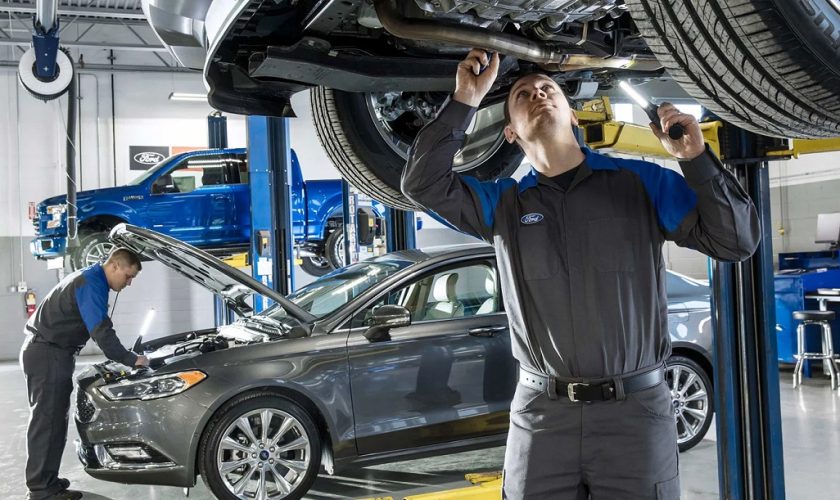
Car services refer to scheduled maintenance and repairs carried out by trained technicians to keep a vehicle in optimal condition. These services range from basic oil changes to comprehensive system checks, depending on mileage, age, and manufacturer recommendations.

Core Objectives of Car Servicing

  • Safety assurance for drivers and passengers

  • Performance optimization across engine, brakes, and suspension

  • Fuel efficiency through timely tune-ups

  • Extended vehicle lifespan with preventive care

Types of Car Services

1. Routine Maintenance Services

These are periodic checks performed at set intervals.

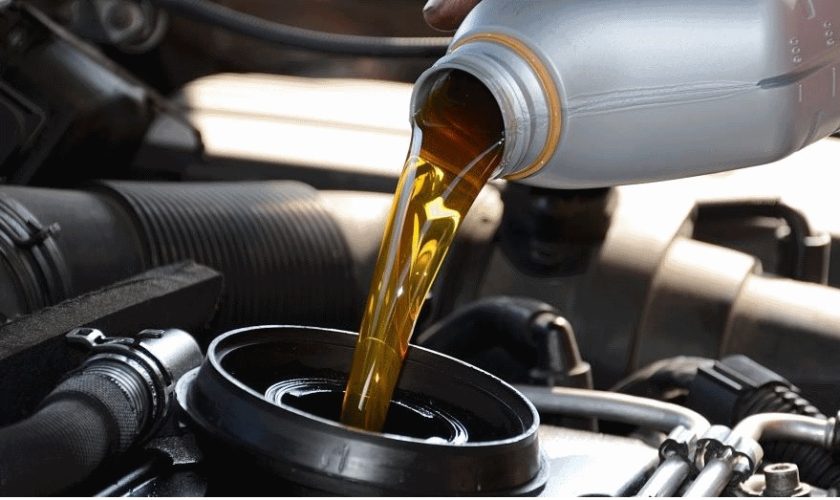
  • Oil and filter change

  • Fluid top-ups (coolant, brake, power steering)

  • Air and cabin filter replacement

  • Tire pressure check and rotation

2. Interim or Minor Services

Ideal for high-mileage drivers or older vehicles.

  • Battery health test

  • Brake inspection

  • Lights and wiper checks

  • Visual inspection of belts and hoses

3. Full or Major Services

Comprehensive inspections covering most vehicle systems.

  • Engine diagnostics

  • Brake system servicing

  • Suspension and steering checks

  • Exhaust and emissions testing

Why Regular Car Services Matter

Skipping scheduled servicing may save money short-term, but it often leads to bigger expenses later.

Key benefits include:

  • Reduced breakdown risk through early fault detection

  • Lower repair costs by fixing minor issues early

  • Better resale value with a documented service history

  • Improved driving comfort and smoother handling

How Often Should You Service Your Car?

Service intervals depend on driving habits, vehicle age, and manufacturer guidelines.

General recommendations:

  • Every 5,000–7,500 miles: Basic service

  • Every 12 months: Full inspection, even for low mileage

  • Before long trips: Safety and fluid checks

Always consult your owner’s manual for precise intervals.

Choosing the Right Car Service Provider

Selecting a trustworthy service center is just as important as servicing itself.

What to Look For

  • Certified technicians with experience in your vehicle type

  • Transparent pricing and clear service breakdowns

  • Genuine or OEM-approved parts

  • Positive customer reviews and service warranties

Dealership vs Independent Garage

  • Dealerships: Brand-specific expertise, higher costs

  • Independent garages: Competitive pricing, flexible service options

Cost of Car Services

Service costs vary based on location, vehicle model, and service type.

Average price range:

  • Basic service: Low to moderate cost

  • Interim service: Moderate cost

  • Full service: Higher cost due to extensive checks

Regular servicing helps avoid unexpected, expensive repairs.

Tips to Get the Most Out of Car Services

  • Keep a service log for maintenance history

  • Address warning lights immediately

  • Combine services when possible to save on labor

  • Ask for a post-service report to understand your car’s condition

Frequently Asked Questions (FAQs)

1. Is car servicing mandatory by law?

Car servicing itself isn’t legally required, but roadworthiness tests and safety standards must be met, which servicing helps ensure.

2. Can I service my car at any garage without voiding warranty?

Yes, as long as the garage follows manufacturer specifications and uses approved parts.

3. What happens if I delay my car service?

Delaying service can lead to reduced performance, higher fuel consumption, and potential mechanical failure.

4. Are service plans worth it?

Service plans can be cost-effective if you prefer predictable expenses and regular maintenance reminders.

5. Does car servicing improve fuel efficiency?

Yes, clean filters, fresh oil, and properly inflated tires contribute to better fuel economy.

6. How long does a typical car service take?

A basic service may take 1–2 hours, while a full service can take half a day.

7. Should electric cars be serviced regularly?

Absolutely. While they need less maintenance, checks on brakes, tires, software, and battery systems are still essential.

read more
Automotive

How Electric Vehicles Are Redefining Performance, Efficiency, and Driving Experience

Electric vehicles (EVs) have moved far beyond their early reputation as slow, niche alternatives to gasoline cars. Today, they sit at the center of automotive innovation, reshaping how performance is measured, how efficiency is achieved, and how driving feels. What was once a technological experiment is now a defining force in the future of mobility.

This shift is not just about cleaner energy. It is about reimagining the entire driving experience, from instant acceleration to intelligent energy use and quieter, more refined rides.

The Performance Revolution: Speed Without the Noise

Performance has traditionally been associated with roaring engines and complex mechanical systems. EVs challenge that idea by delivering power in a fundamentally different way.

Instant Torque, Immediate Response

Unlike internal combustion engines, electric motors deliver maximum torque from a standstill. This translates into:

  • Rapid, seamless acceleration

  • No gear shifts or power lag

  • Strong, consistent pull at any speed

High-performance EVs such as those produced by Tesla and Porsche have proven that electric drivetrains can rival—and often surpass—traditional sports cars in straight-line speed.

Balanced Weight and Better Handling

Battery packs are typically mounted low in the chassis, creating a lower center of gravity. The result is:

  • Improved cornering stability

  • Reduced body roll

  • More confident handling at higher speeds

Performance in EVs is no longer just about raw speed; it’s about control and precision.

Efficiency Redefined: Doing More With Less Energy

Efficiency has always been a selling point for EVs, but modern advancements have taken it to another level.

Superior Energy Conversion

Electric drivetrains convert over 85% of stored energy into motion, compared to roughly 25–30% for gasoline engines. This means:

  • Less energy wasted as heat

  • Lower operating costs over time

  • Greater range per unit of energy

Regenerative Braking: Energy That Comes Back

One of the most impactful efficiency features in EVs is regenerative braking, which:

  • Captures energy during deceleration

  • Feeds power back into the battery

  • Reduces wear on brake components

Over thousands of miles, this system significantly improves real-world efficiency.

Smarter Energy Management

Modern EVs use software to optimize efficiency through:

  • Adaptive power delivery

  • Route-based energy predictions

  • Real-time efficiency feedback for drivers

Efficiency is no longer passive; it’s interactive and intelligent.

A New Driving Experience: Quiet, Smooth, and Connected

Perhaps the most noticeable change for new EV drivers is how different the vehicle feels on the road.

Near-Silent Operation

The absence of engine noise creates a calmer, more refined cabin environment. This leads to:

  • Reduced driver fatigue

  • Easier conversation and clearer audio systems

  • A stronger sense of connection to the road

One-Pedal Driving Simplicity

Many EVs allow drivers to accelerate and slow down using mostly one pedal. This:

  • Simplifies city driving

  • Improves efficiency

  • Feels intuitive after a short learning curve

Software-First Vehicles

EVs are increasingly defined by software, not just hardware. Key benefits include:

  • Over-the-air updates that improve performance

  • Advanced driver-assistance systems

  • Highly customizable driving modes

Driving an EV often feels more like interacting with a smart device than operating a traditional machine.

Charging and Ownership: Convenience Meets Control

EV ownership changes how drivers think about refueling and maintenance.

Charging Fits Daily Life

Instead of weekly gas station visits, EV drivers often:

  • Charge overnight at home

  • Top up at workplaces or shopping centers

  • Plan longer trips around fast-charging networks

This shift turns “refueling” into a background task rather than a routine chore.

Fewer Moving Parts, Less Maintenance

With fewer mechanical components, EVs generally require:

  • No oil changes

  • Less brake maintenance

  • Reduced long-term servicing costs

Over time, this simplicity translates into lower total cost of ownership.

Environmental Impact Without Compromise

While performance and experience matter, EVs also bring meaningful environmental benefits.

  • Zero tailpipe emissions

  • Reduced urban air pollution

  • Compatibility with renewable energy sources

As power grids become cleaner, the environmental advantage of EVs continues to grow—without sacrificing performance or comfort.

The Road Ahead for Electric Driving

Electric vehicles are no longer an alternative; they are becoming the benchmark. As battery technology improves and charging infrastructure expands, EVs will continue to push boundaries in:

  • Driving range

  • Performance consistency

  • Personalized driving experiences

The future of driving is not just electric—it’s smarter, smoother, and more engaging than ever before.

Frequently Asked Questions (FAQ)

1. Do electric vehicles perform well in extreme weather conditions?

Yes, modern EVs are engineered to handle both hot and cold climates, though extreme temperatures can slightly affect range.

2. Are electric vehicles suitable for long-distance travel?

With expanding fast-charging networks and improved ranges, EVs are increasingly practical for long road trips.

3. How long do EV batteries typically last?

Most EV batteries are designed to last 8–15 years, with gradual capacity reduction rather than sudden failure.

4. Is driving an EV difficult for first-time users?

No, most drivers adapt quickly due to simpler controls and smoother driving behavior.

5. Do electric vehicles require special home electrical setups?

While a standard outlet works, installing a dedicated home charger significantly improves charging speed and convenience.

6. Are EVs more expensive to insure?

Insurance costs vary, but many EVs are comparable to similar gasoline vehicles, especially as repair data improves.

7. Will electric vehicles replace gasoline cars completely?

While adoption is accelerating, a full transition will depend on infrastructure, policy, and regional energy development.

read more
Auto Parts

How Cooling System Auto Parts Prevent Engine Overheating Issues

Engine overheating is one of the most common causes of vehicle breakdowns and long-term engine damage. Modern vehicles rely on a network of cooling system auto parts designed to regulate engine temperature, manage heat, and ensure reliable performance in all driving conditions. When these components work together correctly, they protect the engine from excessive heat that can lead to warped parts, blown gaskets, or complete engine failure.

Understanding how these parts function helps vehicle owners recognize early warning signs and maintain their cars more effectively.

Why Engine Overheating Happens

An engine generates intense heat during combustion. If that heat is not dissipated efficiently, temperatures rise beyond safe limits. Overheating usually occurs due to:

  • Insufficient coolant flow

  • Blocked or damaged cooling components

  • Failed temperature regulation

  • Poor airflow through the radiator

Cooling system auto parts are engineered to address each of these risks and maintain optimal operating temperatures.

Core Cooling System Auto Parts and Their Roles

Radiator: The Primary Heat Exchanger

The radiator is responsible for releasing heat from the engine coolant into the surrounding air. Hot coolant flows through thin tubes, while air passing through the fins removes excess heat.

Key benefits include:

  • Prevents coolant from reaching boiling temperatures

  • Maintains consistent engine operating range

  • Supports fuel efficiency and emissions control

A clogged or leaking radiator significantly reduces heat dissipation, increasing the risk of overheating.

Water Pump: Circulating Coolant Continuously

The water pump acts as the heart of the cooling system. It circulates coolant between the engine, radiator, and heater core, ensuring even temperature distribution.

Without proper circulation:

  • Heat accumulates in the engine block

  • Coolant stagnates and loses effectiveness

  • Hot spots develop, stressing engine components

A failing water pump often causes sudden overheating, especially at higher speeds.

Thermostat: Regulating Temperature Flow

The thermostat controls when coolant flows to the radiator. It remains closed while the engine warms up and opens once optimal temperature is reached.

This regulation:

  • Prevents engine from running too cold or too hot

  • Improves fuel combustion efficiency

  • Reduces wear during cold starts

A stuck thermostat is a common but often overlooked cause of overheating.

Cooling Fan: Maintaining Airflow at Low Speeds

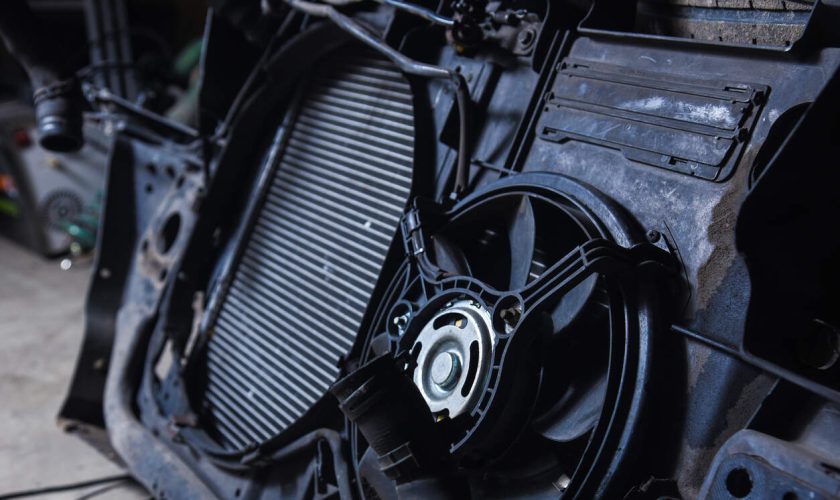
When a vehicle is stationary or moving slowly, natural airflow is limited. The cooling fan compensates by pulling air through the radiator.

Its role is crucial in:

  • Traffic and idle conditions

  • Hot climates

  • Towing or heavy-load driving

Fan motor or relay failure often leads to overheating in stop-and-go traffic.

Coolant and Hoses: Heat Transfer and Containment

Engine coolant absorbs heat and transfers it away from the engine. Hoses transport this coolant between system components.

Well-maintained coolant and hoses:

  • Prevent corrosion and scale buildup

  • Maintain proper pressure levels

  • Avoid leaks that reduce cooling efficiency

Old coolant or cracked hoses compromise the entire system’s performance.

How These Parts Work Together

Cooling system auto parts function as a closed-loop system:

  • Coolant absorbs heat from the engine

  • The water pump circulates heated coolant

  • The thermostat directs coolant flow

  • The radiator and fan dissipate heat

  • Cooled coolant returns to the engine

A failure in any single component can disrupt this balance and trigger overheating.

Signs Your Cooling System May Be Failing

Recognizing early symptoms helps prevent costly damage:

  • Rising temperature gauge

  • Steam from under the hood

  • Coolant leaks under the vehicle

  • Unusual engine noises

  • Sweet smell from leaking coolant

Prompt inspection of cooling system auto parts can stop minor issues from escalating.

Importance of Preventive Maintenance

Routine maintenance is the most effective way to avoid overheating problems. This includes:

  • Regular coolant flushes

  • Inspecting hoses and belts

  • Replacing worn thermostats

  • Checking radiator and fan operation

Proactive care extends engine life and improves overall reliability.

FAQ

What happens if I continue driving an overheating engine?

Continuing to drive can cause severe engine damage, including warped cylinder heads, blown head gaskets, and complete engine failure.

How often should engine coolant be replaced?

Most manufacturers recommend replacing coolant every 30,000 to 60,000 miles, depending on coolant type and driving conditions.

Can a bad radiator cap cause overheating?

Yes, a faulty radiator cap can prevent proper pressure buildup, allowing coolant to boil and reducing cooling efficiency.

Why does my car overheat only in traffic?

This usually indicates a failing cooling fan, fan relay, or restricted airflow through the radiator.

Is overheating more common in summer?

Higher ambient temperatures increase cooling demands, making existing weaknesses in the cooling system more noticeable.

Can low coolant levels trigger overheating quickly?

Yes, low coolant reduces heat absorption and circulation, causing rapid temperature spikes.

Are aftermarket cooling system parts reliable?

Quality aftermarket parts can be reliable if they meet manufacturer specifications and are installed correctly.

read more
Auto Dealer

Auto Dealer: A Complete Guide to How Modern Dealerships Work

An auto dealer plays a critical role in the automotive ecosystem, acting as the bridge between manufacturers and car buyers. Whether selling new vehicles, certified pre-owned models, or offering after-sales services, dealerships shape the overall car-buying experience. Understanding how auto dealers operate can help buyers make smarter decisions and help businesses position themselves more effectively in a competitive market.

What Is an Auto Dealer?

An auto dealer is a licensed business authorized to sell vehicles to consumers. Dealers may specialize in new cars, used vehicles, or a combination of both. Many also provide financing, warranties, servicing, and trade-in options, making them a one-stop solution for vehicle ownership.

Types of Auto Dealers

Auto dealers generally fall into the following categories:

  • Franchise Dealers
    Authorized by manufacturers to sell specific brands. They typically offer new cars, certified used vehicles, and factory-backed warranties.

  • Independent Dealers
    Sell used vehicles from various brands without manufacturer affiliation. Pricing is often more flexible.

  • Buy Here, Pay Here Dealers
    Provide in-house financing, usually targeting buyers with limited or poor credit histories.

How Auto Dealers Make Money

Auto dealers earn revenue through multiple channels, not just vehicle sales. Understanding this helps buyers negotiate more effectively.

Primary Revenue Streams

  • Vehicle Sales – Profit margins on new cars are often slim, while used cars usually offer higher margins.

  • Financing & Insurance (F&I) – Dealers earn commissions from loans, extended warranties, and insurance products.

  • Service & Repairs – Maintenance, parts, and repairs are among the most profitable departments.

  • Trade-Ins – Reselling traded vehicles can significantly boost profits.

The Auto Buying Process at a Dealership

Buying a car from an auto dealer follows a fairly standard process, though the experience can vary.

Step-by-Step Overview

  1. Vehicle Selection – Browsing inventory online or on the lot

  2. Test Drive – Evaluating performance and comfort

  3. Price Negotiation – Discussing vehicle cost, trade-ins, and incentives

  4. Financing Approval – Loan or lease arrangements

  5. Paperwork & Delivery – Final contracts and vehicle handover

Being prepared with research and pre-approved financing can simplify the process.

Benefits of Buying From an Auto Dealer

Purchasing from an auto dealer offers advantages that private sales often cannot match.

Key Advantages

  • Legal Protection through licensing and regulations

  • Access to Financing options and manufacturer incentives

  • Certified Vehicles with inspections and warranties

  • After-Sales Support including servicing and recalls

These benefits provide peace of mind, especially for first-time buyers.

Challenges Facing Modern Auto Dealers

The automotive retail industry is rapidly evolving, and dealers must adapt to survive.

Major Industry Challenges

  • Online Car Sales Platforms increasing competition

  • Changing Consumer Expectations for transparency and speed

  • Electric Vehicle Adoption requiring new training and infrastructure

  • Inventory Fluctuations caused by supply chain disruptions

Successful dealers respond by investing in digital tools and customer experience.

How to Choose the Right Auto Dealer

Not all dealerships offer the same level of service or value. Choosing wisely can save time, money, and stress.

What to Look For

  • Strong Reviews and Ratings across multiple platforms

  • Transparent Pricing with minimal hidden fees

  • Knowledgeable Sales Staff who answer questions clearly

  • Service Department Quality for long-term ownership support

A reputable auto dealer focuses on long-term relationships rather than one-time sales.

The Future of Auto Dealerships

Auto dealers are shifting toward a hybrid model, blending online convenience with in-person expertise. Digital showrooms, virtual paperwork, and home delivery are becoming common, while physical locations remain important for test drives, service, and trust-building.

Dealerships that embrace technology while maintaining a human touch are best positioned for long-term success.

Frequently Asked Questions (FAQ)

1. What is the difference between a franchise and an independent auto dealer?

Franchise dealers sell manufacturer-authorized new vehicles, while independent dealers primarily sell used cars from various brands.

2. Are prices negotiable at auto dealerships?

Yes, especially on used vehicles, trade-ins, and financing terms. New car pricing may have less flexibility.

3. Is financing through an auto dealer more expensive?

Not always. Dealers often work with multiple lenders and may offer competitive rates or special promotions.

4. What documents are required to buy a car from a dealer?

Typically, you need a valid ID, proof of income, insurance, and payment method or loan approval.

5. Do auto dealers offer warranties on used cars?

Many do, especially for certified pre-owned vehicles. Coverage varies by dealer and vehicle condition.

6. Can I return a car after buying it from a dealer?

Return policies vary by state and dealer. Some offer short return windows, while others consider sales final.

7. How long does it usually take to buy a car from an auto dealer?

The process can take anywhere from one hour to several hours, depending on financing, paperwork, and negotiation.

read more
Automotive

How to Perform Battery Coding / Battery Registration

Replacing a car battery used to be a simple job: remove the old one, drop in the new one, and drive away. In modern cars, however, it’s no longer quite so straightforward. Vehicles fitted with advanced electronics and start-stop systems rely on a battery management system (BMS) that constantly monitors the health, age, and performance of the battery. When a new unit is installed, the car’s control module needs to be told about it. This process is called battery coding, and without it, even the best replacement battery may not perform as intended.

Battery coding, sometimes referred to as battery registration, resets the vehicle’s electronic memory so it recognises the new battery and adapts its charging behaviour accordingly. The system keeps track of charging cycles and capacity, and if it continues to believe that an old, worn-out battery is still in place, it may overcharge, undercharge, or mismanage the alternator. That can lead to reduced performance, poor fuel efficiency, or even premature failure of the new battery.

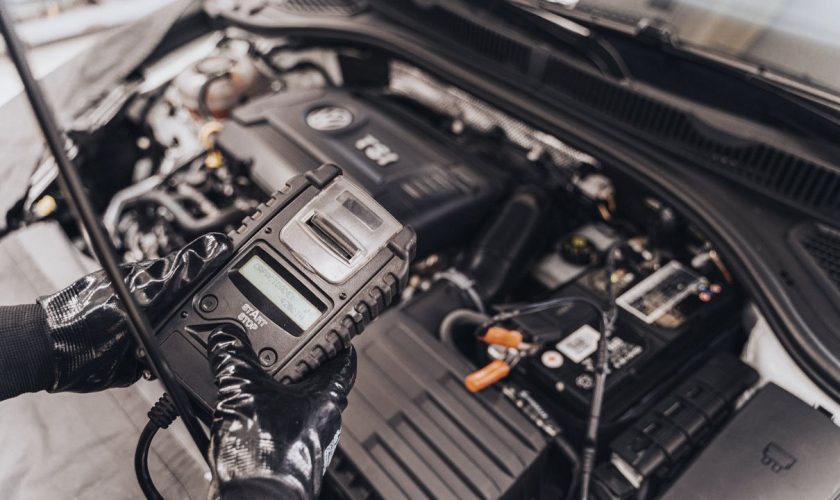
The process itself is relatively straightforward, though it requires more than a spanner. A compatible diagnostic scanner is needed to communicate with the car’s electronics. After installing the new battery and connecting the scanner to the OBD-II port, the software will guide you through entering the details of the new unit — such as its capacity, type, and sometimes the manufacturer’s information. Once these values are saved, the battery management system resets its data and begins monitoring the fresh installation from scratch.

Not every car requires coding. Many older models will accept a new battery without complaint, but most modern European cars, particularly those equipped with start-stop technology, do. Brands like BMW, Audi, Volkswagen, and Mercedes-Benz are well known for this requirement. Even if a car starts and runs after a battery change without coding, problems can appear later, from unexplained warning lights to charging issues that shorten the life of the replacement battery.

There are common pitfalls to avoid. Entering the wrong battery type or capacity can cause as much trouble as skipping the process altogether, because the system will attempt to charge in a way that doesn’t suit the battery installed. Interruptions during coding, often caused by voltage drops, can also corrupt the data being written, which is why professionals use a stable power supply or battery support unit during the procedure. And of course, not every diagnostic scanner has the ability to perform coding, so choosing the right tool is essential.

Although it may sound like an unnecessary complication, battery coding is simply part of maintaining today’s electronically complex vehicles. It protects the investment in a new battery, ensures that the alternator and charging system work as intended, and helps prevent faults that could otherwise leave you stranded. For those confident with car diagnostic equipment, coding can be done at home using the same tools used by workshops, or you may prefer a workshop to carry it out as part of the battery replacement. Either way, it is a step that should not be overlooked.

read more
Car Services

Beyond the Routine: Car Services as the Pathway to Lasting Performance

Introduction

The modern vehicle is a marvel of engineering—an intricate fusion of art, science, and convenience. Yet, even the most sophisticated car is only as dependable as the quality of care it receives. No longer confined to mere mechanical maintenance, car services now embrace a holistic philosophy—one that encompasses proactive preservation, technological fluency, and genuine client partnership. For discerning motorists, understanding and leveraging contemporary car services is the key to effortless journeys, enduring value, and a deeply satisfying ownership experience.

The Foundations: Maintenance as Mastery

Embracing Preventative Care

Routine maintenance has evolved from a checklist to a cornerstone of automotive longevity:

  • Scheduled oil and filter changes protect the heart of the engine, ensuring smooth operation and guarding against premature wear.

  • Tire management—rotation, alignment, and balancing—not only extends tread life but also hones handling and enhances safety.

  • Fluid top-offs and replacements for coolant, brakes, transmission, and steering systems keep all moving parts in prime condition.

Proactive attention to these basics sidesteps unexpected breakdowns, reinforcing confidence for every trip.

The Rise of Diagnostic Precision

Contemporary vehicles are as much digital as they are mechanical. Car services have risen to meet this complexity:

  • Onboard diagnostics (OBD-II scanning) catch issues before symptoms ever appear.

  • Electronic system checks monitor everything from emission controls to advanced safety features, minimizing risk and downtime.

Expert technicians blend technical acumen with state-of-the-art equipment, delivering insights that empower informed decisions.

The Service Provider: Choosing Craft and Character

Credentials That Matter

True excellence is achieved not by tools alone, but through the hands and minds wielding them:

  • Manufacturer-certified technicians guarantee training aligned with the latest industry standards.

  • Transparent communication—clear cost estimates, detailed invoices, and honest advice—are the hallmarks of trustworthy providers.

Evaluate a workshop’s approach: a clean, organized environment, modern diagnostic stations, and attentive staff are signs of a service culture that values both car and client.

Personalized Attention and Amenities

Great car services extend beyond repairs:

  • Tailored maintenance plans account for driving habits, climate, and the vehicle’s unique needs.

  • Convenience offerings such as online booking, vehicle pick-up/delivery, courtesy cars, and comfortable lounges reflect an understanding of today’s busy lifestyles.

A provider’s willingness to adapt and customize affirms their commitment to lasting relationships, not just transactions.

Expanding the Definition: Advanced and Specialty Car Services

The Era of Predictive Maintenance

Leading car services are embracing intelligent, data-driven care:

  • Telematics and service reminders harness real-time data to predict when components require attention, moving from reactive fixes to strategic scheduling.

  • Wearable diagnostics on key parts such as brakes or serpentine belts can alert owners before minor wear becomes major failure.

These innovations grant peace of mind, saving money and averting inconvenience.

Beyond Mechanics: Preserving Form and Function

Comprehensive car services include:

  • Professional detailing—deep cleaning, waxing, and interior restoration that extends the life and allure of every surface

  • Paint and glass protection—ceramic coatings and films to guard against the elements, UV rays, and road debris

  • Custom upgrades—installation of dash cams, parking sensors, entertainment systems, and tech retrofits to personalize and future-proof the driving experience

Sustainable Practices and the Green Revolution

Eco-consciousness has found its place in car care:

  • Responsible recycling of fluids, batteries, and tires minimizes environmental impact.

  • Re-manufactured parts offer sustainable, cost-effective alternatives without sacrificing reliability.

  • Hybrid and electric car expertise—specialized technicians and tools to service new propulsion technologies, ensuring all owners are well supported in the transition to a cleaner future.

Owner Participation: The Empowered Approach

Building a Maintenance Mindset

Engaged owners multiply the benefits of professional care:

  • Maintain a detailed service log—recording every visit, warranty, and upgrade.

  • Respond quickly to new noises, indicator lights, or performance changes.

  • Know your vehicle’s recommended intervals for fluid changes, belt replacements, and inspections—either through the owner’s manual or a tailored digital app.

The Value of Relationship

Partnership with a trusted provider deepens over time:

  • Regular visits foster technician familiarity with your car’s quirks and history.

  • Many service centers reward loyalty with priority bookings, discounts, and personalized recommendations.

  • Open dialogue ensures that evolving needs—be it long-distance travel, winter readiness, or vehicle upgrades—are always addressed with expert care.

Technology and Convenience: The New Face of Car Services

Digital Integration

Modern services have embraced a connected future:

  • Online appointment scheduling—book, reschedule, and track visits through intuitive apps or websites.

  • Digital vehicle health reports—detailed, photo-rich overviews delivered straight to your device.

  • Remote diagnostics and mobile servicing—for select issues, some providers now offer at-home or on-location solutions, minimizing disruption.

Transparent Communication

From video walkarounds to real-time repair updates, clarity is prioritized:

  • Receive photos of worn parts before approval.

  • Detailed breakdowns of recommended repairs versus urgent needs ensure every decision is well-informed.

Table: Essential Car Services Overview

Service Purpose Recommended Frequency
Oil & filter change Engine protection & efficiency Every 5,000–10,000 km
Tire rotation & alignment Safety, tread life, smooth ride Every 10,000 km
Brake inspection Safe stopping, wear monitoring Every 20,000 km
Battery check Reliable starting, system health Annually or as needed
Fluid top-up/flush System reliability (coolant, brakes) Per maintenance schedule
Digital diagnostics Fault detection, system performance Annually or with warning
Detailing & protection Preserve aesthetics & resale value As desired/seasonally
Software updates Technology and safety optimization Per manufacturer notices

Conclusion

In the ever-advancing world of mobility, car services have emerged as vital allies—blending mechanical precision, digital fluency, and a dedication to owner empowerment. Far from being a periodic inconvenience, thoughtful car care is a mark of discernment—transforming vehicles into allies of ambition and pleasure, mile after fulfilled mile. By choosing qualified professionals, embracing a culture of preventive and predictive maintenance, and staying attuned to both technological advancement and environmental responsibility, every driver secures not just a journey, but a refined, enduring partnership with the open road.

read more
1 2 3 7
Page 1 of 7