


close

Automotive

Automotive

How Electric Vehicles Are Redefining Performance, Efficiency, and Driving Experience

Electric vehicles (EVs) have moved far beyond their early reputation as slow, niche alternatives to gasoline cars. Today, they sit at the center of automotive innovation, reshaping how performance is measured, how efficiency is achieved, and how driving feels. What was once a technological experiment is now a defining force in the future of mobility.

This shift is not just about cleaner energy. It is about reimagining the entire driving experience, from instant acceleration to intelligent energy use and quieter, more refined rides.

The Performance Revolution: Speed Without the Noise

Performance has traditionally been associated with roaring engines and complex mechanical systems. EVs challenge that idea by delivering power in a fundamentally different way.

Instant Torque, Immediate Response

Unlike internal combustion engines, electric motors deliver maximum torque from a standstill. This translates into:

  • Rapid, seamless acceleration

  • No gear shifts or power lag

  • Strong, consistent pull at any speed

High-performance EVs such as those produced by Tesla and Porsche have proven that electric drivetrains can rival—and often surpass—traditional sports cars in straight-line speed.

Balanced Weight and Better Handling

Battery packs are typically mounted low in the chassis, creating a lower center of gravity. The result is:

  • Improved cornering stability

  • Reduced body roll

  • More confident handling at higher speeds

Performance in EVs is no longer just about raw speed; it’s about control and precision.

Efficiency Redefined: Doing More With Less Energy

Efficiency has always been a selling point for EVs, but modern advancements have taken it to another level.

Superior Energy Conversion

Electric drivetrains convert over 85% of stored energy into motion, compared to roughly 25–30% for gasoline engines. This means:

  • Less energy wasted as heat

  • Lower operating costs over time

  • Greater range per unit of energy

Regenerative Braking: Energy That Comes Back

One of the most impactful efficiency features in EVs is regenerative braking, which:

  • Captures energy during deceleration

  • Feeds power back into the battery

  • Reduces wear on brake components

Over thousands of miles, this system significantly improves real-world efficiency.

Smarter Energy Management

Modern EVs use software to optimize efficiency through:

  • Adaptive power delivery

  • Route-based energy predictions

  • Real-time efficiency feedback for drivers

Efficiency is no longer passive; it’s interactive and intelligent.

A New Driving Experience: Quiet, Smooth, and Connected

Perhaps the most noticeable change for new EV drivers is how different the vehicle feels on the road.

Near-Silent Operation

The absence of engine noise creates a calmer, more refined cabin environment. This leads to:

  • Reduced driver fatigue

  • Easier conversation and clearer audio systems

  • A stronger sense of connection to the road

One-Pedal Driving Simplicity

Many EVs allow drivers to accelerate and slow down using mostly one pedal. This:

  • Simplifies city driving

  • Improves efficiency

  • Feels intuitive after a short learning curve

Software-First Vehicles

EVs are increasingly defined by software, not just hardware. Key benefits include:

  • Over-the-air updates that improve performance

  • Advanced driver-assistance systems

  • Highly customizable driving modes

Driving an EV often feels more like interacting with a smart device than operating a traditional machine.

Charging and Ownership: Convenience Meets Control

EV ownership changes how drivers think about refueling and maintenance.

Charging Fits Daily Life

Instead of weekly gas station visits, EV drivers often:

  • Charge overnight at home

  • Top up at workplaces or shopping centers

  • Plan longer trips around fast-charging networks

This shift turns “refueling” into a background task rather than a routine chore.

Fewer Moving Parts, Less Maintenance

With fewer mechanical components, EVs generally require:

  • No oil changes

  • Less brake maintenance

  • Reduced long-term servicing costs

Over time, this simplicity translates into lower total cost of ownership.

Environmental Impact Without Compromise

While performance and experience matter, EVs also bring meaningful environmental benefits.

  • Zero tailpipe emissions

  • Reduced urban air pollution

  • Compatibility with renewable energy sources

As power grids become cleaner, the environmental advantage of EVs continues to grow—without sacrificing performance or comfort.

The Road Ahead for Electric Driving

Electric vehicles are no longer an alternative; they are becoming the benchmark. As battery technology improves and charging infrastructure expands, EVs will continue to push boundaries in:

  • Driving range

  • Performance consistency

  • Personalized driving experiences

The future of driving is not just electric—it’s smarter, smoother, and more engaging than ever before.

Frequently Asked Questions (FAQ)

1. Do electric vehicles perform well in extreme weather conditions?

Yes, modern EVs are engineered to handle both hot and cold climates, though extreme temperatures can slightly affect range.

2. Are electric vehicles suitable for long-distance travel?

With expanding fast-charging networks and improved ranges, EVs are increasingly practical for long road trips.

3. How long do EV batteries typically last?

Most EV batteries are designed to last 8–15 years, with gradual capacity reduction rather than sudden failure.

4. Is driving an EV difficult for first-time users?

No, most drivers adapt quickly due to simpler controls and smoother driving behavior.

5. Do electric vehicles require special home electrical setups?

While a standard outlet works, installing a dedicated home charger significantly improves charging speed and convenience.

6. Are EVs more expensive to insure?

Insurance costs vary, but many EVs are comparable to similar gasoline vehicles, especially as repair data improves.

7. Will electric vehicles replace gasoline cars completely?

While adoption is accelerating, a full transition will depend on infrastructure, policy, and regional energy development.
read more
Automotive

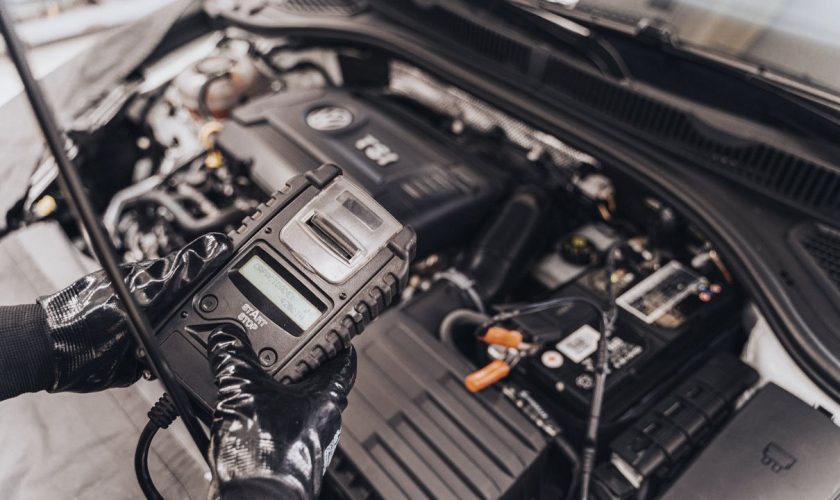
How to Perform Battery Coding / Battery Registration

Replacing a car battery used to be a simple job: remove the old one, drop in the new one, and drive away. In modern cars, however, it’s no longer quite so straightforward. Vehicles fitted with advanced electronics and start-stop systems rely on a battery management system (BMS) that constantly monitors the health, age, and performance of the battery. When a new unit is installed, the car’s control module needs to be told about it. This process is called battery coding, and without it, even the best replacement battery may not perform as intended.

Battery coding, sometimes referred to as battery registration, resets the vehicle’s electronic memory so it recognises the new battery and adapts its charging behaviour accordingly. The system keeps track of charging cycles and capacity, and if it continues to believe that an old, worn-out battery is still in place, it may overcharge, undercharge, or mismanage the alternator. That can lead to reduced performance, poor fuel efficiency, or even premature failure of the new battery.

The process itself is relatively straightforward, though it requires more than a spanner. A compatible diagnostic scanner is needed to communicate with the car’s electronics. After installing the new battery and connecting the scanner to the OBD-II port, the software will guide you through entering the details of the new unit — such as its capacity, type, and sometimes the manufacturer’s information. Once these values are saved, the battery management system resets its data and begins monitoring the fresh installation from scratch.

Not every car requires coding. Many older models will accept a new battery without complaint, but most modern European cars, particularly those equipped with start-stop technology, do. Brands like BMW, Audi, Volkswagen, and Mercedes-Benz are well known for this requirement. Even if a car starts and runs after a battery change without coding, problems can appear later, from unexplained warning lights to charging issues that shorten the life of the replacement battery.

There are common pitfalls to avoid. Entering the wrong battery type or capacity can cause as much trouble as skipping the process altogether, because the system will attempt to charge in a way that doesn’t suit the battery installed. Interruptions during coding, often caused by voltage drops, can also corrupt the data being written, which is why professionals use a stable power supply or battery support unit during the procedure. And of course, not every diagnostic scanner has the ability to perform coding, so choosing the right tool is essential.

Although it may sound like an unnecessary complication, battery coding is simply part of maintaining today’s electronically complex vehicles. It protects the investment in a new battery, ensures that the alternator and charging system work as intended, and helps prevent faults that could otherwise leave you stranded. For those confident with car diagnostic equipment, coding can be done at home using the same tools used by workshops, or you may prefer a workshop to carry it out as part of the battery replacement. Either way, it is a step that should not be overlooked.

read more
Automotive

Decorating with Vintage License Plates: Creative Ideas and Where to Buy Them

Vintage license plates are more than just collector’s items—they’re also fantastic conversation pieces and decorative accents. Whether you’re designing a garage, man cave, bar, office, or rustic-themed room, old plates bring character, history, and a personal touch to any space. In this article, you’ll learn creative ways to decorate with vintage license plates and where to buy authentic plates online.

Why Decorate with License Plates?

Vintage plates offer more than just function. They’re visual storytellers:

  • Visual Appeal: Plates feature bold numbers, state slogans, and unique color palettes.
  • Storytelling: A wall full of plates reflects travel, interests, or a collector’s journey.
  • Durability: Metal construction makes them ideal for indoor or outdoor use.
  • Authenticity: Unlike mass-produced wall art, each plate has a real story behind it.

Creative Display Ideas

  1. License Plate Wall Art

Create a mosaic using plates from all 50 states or a particular region. Arrange chronologically, alphabetically, or by color. This makes a striking visual centerpiece in a den or entryway.

  1. Furniture Accents

Attach plates to drawer faces, cabinet doors, or tabletops for a custom industrial look. Use clear sealant to preserve color and reduce wear. This works especially well in tool sheds, garages, or cafes.

  1. Garage and Workshop Decor

Hang a series of plates above a workbench or across the garage door. Some enthusiasts mount them on tool chests or pegboards. It creates a creative, personalized workspace that reflects your interests.

  1. DIY Crafts and Gifts

Make clocks, birdhouses, or coat racks using plates. They also make unique birthday or retirement gifts. Use plates from the recipient’s home state or birth year to make it meaningful.

  1. Outdoor Garden Decor

Mount plates on fences, garden sheds, or planter boxes. They’re weather-resistant and add rustic charm.

Where to Find Vintage Plates

A good example to start is Shoplicenseplates – A Decorator’s Treasure Trove

With a massive inventory sorted by state and year, this site is perfect for decorators looking for:

  • Plates with colorful graphics
  • Plates that fit a specific decade or theme (e.g., 1950s, Route 66)
  • Authenticity and good condition for wall mounting

Each plate comes with a clear description and photos so you know what you’re getting. Plus, they’re sourced from real vehicles—not reproductions.

Other Sources

  • Etsy: Great for art made from license plates, though many are reproductions
  • Local Antique Stores: Occasionally stock old plates, but inventory is limited
  • Flea Markets: May offer plates, but condition and authenticity vary

Shopping Tips

  • Choose plates with bold design or contrasting colors
  • Look for “good display condition” even if they’re not mint
  • Buy in sets if planning large displays or matching themes

How to Mount Plates

Depending on your display method:

  • Screws and Nails: Ideal for permanent wall displays
  • Command Strips or Velcro: Useful in rental properties or temporary exhibits
  • Frames and Shadow Boxes: Great for protecting and highlighting rare plates
  • Pegboards or Shelves: Allow flexibility and expansion

Safety and Preservation

Use rust inhibitors if displaying outdoors. Avoid adhesives that damage the plate surface. Clean plates with gentle soap and water; avoid harsh chemicals that strip paint.

Bonus Ideas

  • Use license plates as nameplates for bedrooms or offices
  • Spell out names or words using plate characters
  • Incorporate plates into headboards or wall murals

Conclusion

Decorating with vintage license plates is an easy way to personalize a space with history and creativity. With reliable online resources, you’ll find authentic, eye-catching pieces to turn any room, garden, or workspace into a showcase of Americana.

read more
Automotive

Nearest You Can Park to a Junction: What You Need to Know

Parking near a junction can be tricky, and understanding the rules is essential to avoid fines, penalties, or even accidents. The proximity of parked vehicles to a junction significantly impacts visibility and the overall safety of road users. Different countries have their own regulations, but in the UK, the Highway Code offers specific guidelines on how far away you should park from a junction. This article explores why parking near junctions is regulated, the rules you need to follow, and tips for safe and legal parking.

Why Parking Near a Junction is Regulated

Parking too close to a junction can obstruct the view of drivers, cyclists, and pedestrians. This creates a dangerous situation, as it becomes difficult for those entering or exiting the junction to see oncoming traffic. A parked vehicle near a junction also reduces space for larger vehicles, such as buses or emergency services, making it harder for them to navigate safely.

Accidents are more likely to happen at or near junctions where visibility is compromised. Obstructed views caused by improperly parked vehicles can lead to side-impact collisions, rear-end accidents, or incidents involving pedestrians. The rules around junction parking aim to minimize these risks and ensure a clear line of sight for all road users.

The Highway Code on Parking Near a Junction

In the UK, the Highway Code clearly states that you should not park within 10 meters (32 feet) of a junction. This distance allows drivers and other road users to see clearly in all directions, reducing the chance of collisions or near-misses.

The specific rule is found in Rule 243 of the Highway Code, which advises: “DO NOT stop or park opposite or within 10 meters (32 feet) of a junction, except in an authorized parking space.” This means that even if it seems like there is enough room to park, you should avoid doing so if it is within the 10-meter distance unless there are designated parking bays.

This rule applies to all types of junctions, including T-junctions, crossroads, and roundabouts. Whether you’re driving in a residential area or in a busier part of town, the 10-meter rule helps maintain safety and ensures clear sightlines for everyone on the road.

Penalties for Parking Too Close to a Junction

Failing to adhere to the parking regulations near a junction can result in penalties. Parking tickets may be issued by traffic enforcement officers if you park within the restricted zone. In some cases, your vehicle may even be towed, especially if it’s causing a significant obstruction.

Fines for illegal parking near a junction can vary depending on the severity of the obstruction and local laws. In the UK, the fine for improper parking can range from £30 to £100 or more, depending on the circumstances. Parking too close to a junction is considered a serious offense, as it poses a danger to both drivers and pedestrians.

Tips for Safe and Legal Parking Near a Junction

Here are some practical tips to ensure you park safely and legally near a junction:

  1. Always Measure the Distance: If you’re unsure how far away you are from the junction, it’s always better to overestimate the distance. Give yourself extra room to ensure you’re not violating the 10-meter rule.
  2. Look for Marked Spaces: In some areas, especially near busy junctions, there may be designated parking bays or spots. If these are available, use them, as they’re designed to keep traffic flowing smoothly while allowing safe parking.
  3. Avoid Parking on Corners: Parking on a corner can obstruct views even more than parking near a straight stretch of road. Always leave plenty of space so other drivers can see clearly.
  4. Be Considerate of Pedestrians: When parking near a junction, consider the needs of pedestrians, especially those with prams, wheelchairs, or mobility scooters. Ensure you’re not blocking any dropped kerbs or pedestrian crossings.
  5. Watch for Yellow Lines: Double or single yellow lines near a junction indicate parking restrictions. Pay close attention to these markings, as parking on them can lead to immediate fines and even towing.

Additional Considerations

While the 10-meter rule is a good standard, it’s important to be mindful of local regulations, as they can vary. In some areas, stricter measures may be in place to maintain safety. For instance, near schools or busy intersections, the local council may implement additional restrictions.

Additionally, when driving abroad, parking laws can differ significantly from those in the UK. Always familiarize yourself with the local Highway Code to avoid penalties and ensure safe driving practices.

Conclusion

Parking near a junction requires careful consideration to ensure the safety of all road users. The UK’s Highway Code stipulates that vehicles should be parked no closer than 10 meters from a junction to maintain clear visibility and minimize the risk of accidents. By following these guidelines, drivers can avoid penalties and contribute to a safer driving environment. Whether you’re in a busy city or a quiet neighborhood, adhering to these rules ensures that everyone can navigate the roads more safely and efficiently.

read more
Automotive

Immersive Elegance: Unveiling the Latest Trends in Car Interior Design

Introduction:

The automotive industry is in a perpetual state of transformation, and one aspect that continually evolves is car interior design. Beyond mere functionality, modern car interiors are becoming a fusion of technology, comfort, and aesthetics. In this exploration, we dive into the latest trends shaping the interiors of today’s automobiles, promising a journey of sophistication and innovation.

  1. Minimalism with a Purpose:

Contemporary car interiors are embracing a minimalist approach, where less is more, but every element serves a purpose. Clean lines, uncluttered surfaces, and streamlined layouts create an atmosphere of simplicity and elegance. This trend not only enhances the visual appeal but also contributes to a more focused and immersive driving experience.

  1. Sustainable Materials:

As environmental consciousness grows, car manufacturers are increasingly turning to sustainable materials for interior design. Recycled plastics, eco-friendly fabrics, and renewable resources are finding their way into car interiors, reflecting a commitment to both style and environmental responsibility. This trend aligns with the broader movement towards sustainable practices in the automotive industry.

  1. Connectivity and Infotainment Integration:

Seamless connectivity is a hallmark of modern car interiors. The integration of advanced infotainment systems, touchscreens, and smart interfaces has become standard in new vehicle designs. Drivers and passengers can now enjoy a connected experience, controlling everything from navigation to climate control with intuitive touch and voice commands.

  1. Digital Cockpits and Instrument Clusters:

The traditional analog instrument cluster is making way for digital cockpits that offer a customizable and dynamic display. High-resolution screens provide essential driving information, navigation details, and entertainment options. This trend not only enhances functionality but also adds a futuristic and sophisticated touch to car interiors.

  1. Ambient Lighting:

Ambient lighting has become a key element in enhancing the overall ambiance of car interiors. LED lighting systems are strategically placed to illuminate various parts of the cabin, creating a visually appealing and customizable environment. From calming blues to vibrant reds, ambient lighting adds a layer of personalization and sophistication.

  1. Comfort-Focused Seating:

Car manufacturers are prioritizing comfort in seating design, incorporating ergonomic principles and innovative materials. Adjustable lumbar support, massage features, and even heated and ventilated seats contribute to a more enjoyable and luxurious driving experience. The focus on comfort extends beyond the driver’s seat, with rear passengers also benefiting from advanced seating options.

  1. Augmented Reality Head-Up Displays:

Augmented Reality (AR) head-up displays are revolutionizing the way drivers receive information. These displays project critical data onto the windshield, such as navigation directions, speed, and safety alerts. By keeping the driver’s eyes on the road, this technology enhances safety while providing a futuristic and immersive driving experience.

  1. Personalization and Customization:

Car interior design is moving towards a more personalized and customizable experience. From adjustable ambient lighting to configurable digital displays, manufacturers are providing drivers with the tools to tailor their driving environment to their preferences. This trend reflects a shift towards individualized and unique automotive experiences.

  1. Artisanal Craftsmanship:

In a departure from mass-produced uniformity, some car manufacturers are returning to artisanal craftsmanship for interior details. Hand-stitched leather, wood veneers, and intricate metalwork add a touch of luxury and uniqueness to car interiors. This trend not only elevates the aesthetics but also emphasizes the artistry involved in creating a premium driving environment.

  1. Intelligent Storage Solutions:

Efficient and intelligent storage solutions are becoming a focal point in car interior design. From hidden compartments to modular storage systems, manufacturers are addressing the need for practicality without compromising style. Smart storage solutions contribute to a clutter-free interior while accommodating the diverse needs of drivers and passengers.

Conclusion:

As we navigate the ever-evolving landscape of car interior design, the trends mentioned above reflect a blend of elegance, innovation, and functionality. From sustainable materials to augmented reality displays, modern car interiors promise a driving experience that goes beyond mere transportation. As automotive designers continue to push boundaries, the future holds exciting possibilities for car interiors that seamlessly integrate technology, comfort, and personalized style.

read more
Automotive

Navigating the Road: A Comprehensive Guide to Selecting the Perfect Tires for Your Vehicle

Introduction:

The importance of selecting the right tires for your vehicle cannot be overstated. Tires are the only point of contact between your vehicle and the road, impacting not only your safety but also the overall performance of your car. In this guide, we will navigate through the intricacies of choosing the perfect set of tires, considering factors ranging from tire types to tread patterns and beyond.

  1. Understanding Tire Types: The first step in choosing the right tires is understanding the different types available. There are various categories, including all-season, summer, winter, and performance tires. Each type is designed to excel in specific conditions, so consider the predominant weather conditions in your area and your driving habits when making a selection.
  2. Tire Size and Compatibility: Tire size matters, and it’s crucial to choose the right dimensions for your vehicle. Refer to your car’s manual or the sidewall of your current tires for information on the recommended size. Selecting the correct size ensures optimal performance, handling, and fuel efficiency.
  3. Tread Patterns and Performance: Tread patterns play a significant role in a tire’s performance. Different patterns are designed for specific driving conditions. For example, deep treads with aggressive patterns are well-suited for off-road adventures, while shallower and more symmetrical patterns are ideal for smooth, on-road driving. Consider your driving environment and preferences when evaluating tread patterns.
  4. Traction and Grip: Traction is paramount for safe driving. Look for tires with a high traction rating, as this indicates their ability to grip the road surface. Wet and dry traction are crucial elements to consider, especially if you experience diverse weather conditions throughout the year.
  5. Load Capacity and Speed Rating: Every tire has a load capacity and speed rating. These specifications are crucial for ensuring the safety and longevity of your tires. The load capacity indicates the maximum weight a tire can support, while the speed rating defines the maximum speed at which the tire can operate safely. Match these ratings with your vehicle’s requirements for optimal performance.
  6. Durability and Longevity: Nobody wants to replace tires frequently. Assess the treadwear rating of the tires you’re considering. This rating provides an estimate of how long the tread is expected to last. Additionally, reviews and testimonials from other drivers can offer valuable insights into the real-world durability of a particular tire model.
  7. Fuel Efficiency: Tires can also impact your vehicle’s fuel efficiency. Look for tires with low rolling resistance, as they require less energy to move and can contribute to improved gas mileage. This not only benefits your wallet but also reduces your carbon footprint.
  8. Budget Considerations: While quality should never be compromised, it’s essential to consider your budget. Premium tires often come with a higher price tag, but they may offer better performance, durability, and safety features. Strike a balance between quality and cost to find the best value for your specific needs.
  9. Seasonal Considerations: If you live in an area with distinct seasons, consider having dedicated winter tires. These tires are designed to provide optimal traction in snowy and icy conditions, enhancing your safety during winter months. Switching between summer and winter tires can be an investment in your safety and the longevity of your tires.
  10. Professional Guidance: When in doubt, seek the advice of tire professionals. Tire dealers and mechanics can offer valuable insights based on your driving habits, local climate, and the specific requirements of your vehicle. They can guide you toward the most suitable options within your budget.

Conclusion:

Choosing the right tires for your vehicle is a decision that goes beyond aesthetics. It’s about safety, performance, and maximizing the lifespan of your investment. By considering the factors outlined in this guide, you can confidently navigate the myriad options available and ensure that your vehicle is equipped with the perfect set of tires for the road ahead.

read more
Automotive

Work Possibilities in Canada’s Automotive Area Look Splendid

From showrooms, rental organizations and fix shops (and that’s only the tip of the iceberg), the Canadian automotive industry gives various satisfying and dependable profession open doors. Truth be told, the Canadian automotive industry is the 6th biggest on earth, representing 25% of the country’s whole product trades. As per the Automotive Ventures Relationship of Canada, direct work in the post-retail (which manages the production, remanufacture, dispersion, wholesaling and retailing of new parts, frill, apparatuses, gear, extras, synthetic substances and administrations) added up to 410,700 positions in 2009.

Notwithstanding these numbers, you would be completely sensible to expect that the business’ work possibilities have endured a shot over the most recent couple of years. The monetary slump in 2008, alongside sped up computerization and an Earth-wide temperature boost presented extreme difficulties and prompted a 21% drop in new vehicle sales…which clearly had a stream down impact in every aspect of automotive assembling, deals and fixes.

Notwithstanding, the business has quickly returned over the most recent two years, and as Windsor Star journalist Beauty Macaluso as of late detailed, Canada’s portion of North American light-vehicle creation is currently at an unsurpassed high (the number presently remains at 17.3% of North American vehicle creation, which is up from pre-downturn levels of 16.8%). Automotive Instructional hub chief Zyg Strecha accepts this expanded creation focuses to further developed open positions, adding that, “New vehicle deals are likewise up a couple of rate focuses over last year, so the financial matters and work potential open doors are there”.

Adding another additional lift is Canada’s Financial Activity Plan, which has assisted firms with modernizing their tasks to make and keep up with occupations. This follows the rebuilding help the Canadian government gave to forestall the breakdown of enormous organizations, including Chrysler and GM, both of whom have reimbursed those credits in full. The restored strength of the business’ greatest players, combined with mechanical advances and the approaching retirement of children of post war America, demonstrate that there are exceptionally splendid work possibilities in many portions of the immense vehicle industry.

In the event that you are enthusiastic about vehicles, subsequently, right now is an ideal opportunity to follow up on your fantasies. To best get ready for these colossal vocation open doors, intrigued applicants ought to sign up for automotive preparation programs at auto fix schools with the best and most state of the art preparing offices. To step straightforwardly into the automotive labor force, understudies ought to search for automotive preparation programs that permit them to invest the most extreme measure of energy in genuine, industry standard auto mechanics shop conditions. The best of these auto schools, for instance, will utilize present day homerooms, inlets, lifts, scanners for vehicle diagnostics and discharges testing, welding hardware, arrangement lifts, current paint stalls and blending spaces (for auto body fix) and substantially more.

Try not to be frightened away by the news. Your vocation in the automotive business is still reachable.

read more
Automotive

Elevate Your Ride with Maxton Design Car Body Kits

In the world of automotive customization, car enthusiasts are constantly seeking ways to make their vehicles stand out from the crowd. One of the most popular and effective methods to achieve this is by using car body kits. These kits, like the ones offered by Maxton Design Ltd, a leading distributor in the UK, can transform the appearance of your vehicle and give it a unique and personalized touch.

Car body kits are essentially collections of exterior modifications that can include bumpers, side skirts, fenders, and other components designed to enhance a car’s visual appeal. Maxton Design Ltd is the UK’s largest distributor of unique automotive styling kits, and they offer a wide range of options for various car makes and models. In this article, we’ll delve into the world of car body kits, exploring their benefits, different types, and why Maxton Design Ltd is a go-to source for automotive enthusiasts.

Benefits of Car Body Kits:

  1. Enhanced Aesthetics: The primary reason for installing car body kits is to improve the overall aesthetics of your vehicle. These kits can give your car a more aggressive, sporty, or unique appearance, allowing you to stand out on the road.
  2. Personalization: Car body kits come in various styles and designs, allowing you to personalize your vehicle to your taste. Whether you prefer a sleek and subtle look or something more eye-catching, there’s a kit that suits your preferences.
  3. Improved Aerodynamics: Many body kits are designed with aerodynamics in mind. By optimizing airflow around your vehicle, you can improve fuel efficiency and overall performance.
  4. Increased Resale Value: Customizing your car with a high-quality body kit can also increase its resale value. Unique modifications are often attractive to potential buyers, making your vehicle more desirable in the used car market.

Types of Car Body Kits:

Car body kits come in several different types, each serving a specific purpose and style. Here are some of the most common types:

  1. Lip Kits: Lip kits are the most subtle type of body kit. They consist of front and rear lip extensions, which add a touch of style and improve aerodynamics without drastically altering your car’s appearance.
  2. Full Body Kits: Full body kits are more comprehensive and often include front and rear bumpers, side skirts, and sometimes a rear wing. These kits can completely transform the look of your vehicle.
  3. Widebody Kits: Widebody kits are designed to significantly widen your car’s stance, giving it a more aggressive and muscular appearance. These kits are popular among sports car enthusiasts.
  4. Material Types: Body kits can be made from various materials, including fiberglass, carbon fiber, and polyurethane. Each material offers a different balance of weight, durability, and cost.

Maxton Design Ltd:

Maxton Design Ltd, based in the UK, is renowned for offering a wide selection of high-quality car body kits. As the UK’s largest distributor of unique automotive styling kits, they have become a trusted name among car enthusiasts looking to enhance their vehicles.

One of Maxton Design’s key strengths is its commitment to offering a diverse range of kits for various car makes and models. Whether you drive a Volkswagen, BMW, Audi, or any other popular brand, Maxton Design likely has a body kit that suits your vehicle. This extensive selection ensures that customers can find the perfect kit to match their individual preferences and needs.

Maxton Design is also known for the exceptional quality of their body kits. They use materials like polyurethane and ABS, which are not only durable but also provide a precise fit, making installation easier for both professional mechanics and DIY enthusiasts. The company’s attention to detail and craftsmanship ensures that their kits seamlessly integrate with your car’s original design, giving it a natural and polished appearance.

In addition to quality and variety, Maxton Design places a strong emphasis on innovation. They frequently release new designs and kits to keep up with the ever-evolving trends in the automotive customization industry. This dedication to staying at the forefront of styling trends sets them apart from other distributors.

In conclusion, car body kits are a fantastic way to enhance your vehicle’s aesthetics and personalize it to your liking. Maxton Design Ltd, the UK’s largest distributor of unique automotive styling kits, stands out as a reputable source for high-quality and innovative body kits. Whether you’re looking to improve your car’s appearance, aerodynamics, or resale value, Maxton Design has a kit to meet your needs. So, if you’re ready to elevate your ride and make a statement on the road, consider Maxton Design’s car body kits as your ultimate choice.

read more
Automotive

Benefits of Following Site Traffic For Automotive Showroom Sites

Site traffic is a significant part of Web showcasing for automotive sellers. Following site traffic is useful in lead age, advancement, and in expanding deals. Estimating the site traffic gives experiences in figuring out Web promoting strategies for automotive seller. It gives significant contributions on site guests action. These data sources assist automotive vendors with consolidating important changes in their promoting efforts. Additionally, it empowers vendors to conclude which showcasing method gives ideal profits from speculation.

Helps In Better Enhancement of Site
Following site traffic through different web investigation programs assists the automotive sellers with understanding what requests to their clients on the site. The catchphrases which the client used to arrive at the site can be really utilized by seller in PPC lobbies for successful site advancement. The automotive vendor can be aware of which vehicle is scanned by the client for most extreme times and in what segment the client is more intrigued. In this manner, the seller can grow its stock rundown and increment lead change rates. In light of the clients activities, the seller can further develop the presentation page and site satisfied with explicit catchphrases and so on. The route of the site can be streamlined for better convenience of clients. This large number of viewpoints help in upgrading the site and expanding its web search tool positioning.

Better Web Promoting Plan
Site traffic following furnishes automotive seller with important ongoing information about the Web showcasing plan embraced to create traffic to site. In view of the following data, the sellers can precisely be aware of the proficiency of Web advertising plan in expanding site traffic, lead age, and particulars like how much vehicles were at last sold. Following aides vendors in recognizing reasonable catchphrases for the site and how the advertising effort should be performed. Hence, following assists with further developing Web promoting system to all the more likely objective guests that can transform into expected clients.

Screen the Clients and Comprehend the Province Of Client Base
Following site traffic assists automotive vendors with observing client developments through the site. Additionally, following gives data on what watchwords were utilized by guest to arrive at the vendor’s site. Other key data like time span for which the guest remained, from where the guests came like references and web indexes, bob rate and so on is acquired. Observing the clients gives valuable information that aides in better streamlining of site. Other than observing the client or guests exercises, following likewise furnishes with data separating between genuine client and just guests. Thus, following the client action gives vital information about their inclinations, decisions, interests and so on and assists with holding the potential client base. Consequently, site traffic following assists with acclimating to changing patterns and better comprehend the client base.

Site traffic following is a fundamental piece of automotive web promoting. The following data can be really utilized via automotive sellers to more readily focus on its clients and furthermore to solidify its current client base.

read more
Automotive

A Shocker About Automotive Parts

How can it be that such countless individuals are basic about the value they are paying these days for automotive parts? It regularly appears to me that individuals actually hope to be paying what they would have a long time back for the support of their vehicle, however they don’t understand that there have been various changes in the help business from that point forward.

First and foremost let us view the part of the acquisition of automotive parts by the help community and how things have changed in such manner. In previous ages the help community would get an exchange rebate from the part wholesaler since they were an assistance place.

Well this is not true anymore, presently the help community follows through on the very same cost as general society for these automotive parts and accordingly they need to make up this misfortune in pay by expanding their hourly work charge.

The following point which I might want to draw out into the open when you are taking a gander at the subject of automotive parts and administration, is that innovation is changing constantly. The assistance communities currently need particular symptomatic machines and PCs to have the option to support the advanced vehicle.

This hardware is all extravagant, however a fundamental for any help community who needs to have the option to add an incentive for their clients by giving them the best quality assistance and automotive parts which they can.

So the following time you believe you need to blow a vein when you need to pay for the help or fix of you extravagance vehicle with every one of the fancy odds and ends, recollect that the fancier your vehicle and the more additional items it has, odds are you will likewise be paying something else for your administrations and automotive parts.

Rocco van Rooyen is a Creator on Automotive Arrangements. As a Business person running his own automotive mechanics look for the beyond twenty years and Creator regarding the matter, he is at the cutting edge to give answers for all automotive related issues.

read more
1 2
Page 1 of 2