
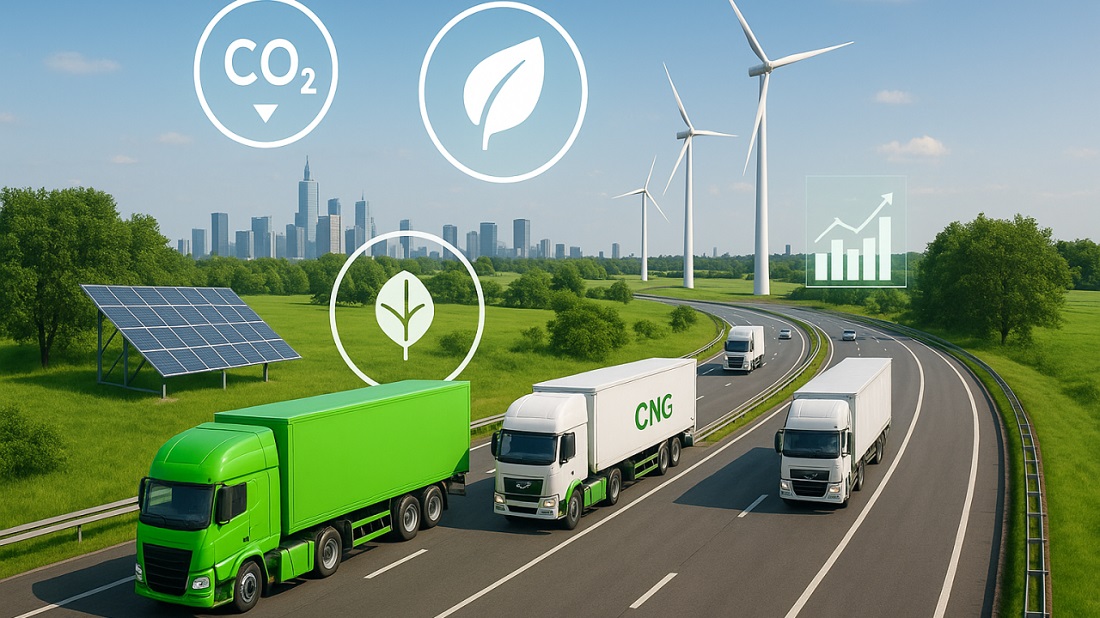
Green logistics has moved from a niche sustainability concept to a core operational strategy for modern supply chains. Rising fuel costs, stricter environmental regulations, and growing customer demand for responsible business practices are accelerating innovation in transportation and distribution. Today’s logistics leaders are rethinking how goods move, where emissions occur, and how technology can reduce environmental impact without sacrificing efficiency.
Understanding Green Logistics in the Modern Supply Chain
Green logistics focuses on minimizing the ecological footprint of logistics activities while maintaining service quality and cost control. It spans transportation, warehousing, packaging, and distribution network design.
Key objectives include:
- Lowering greenhouse gas emissions
- Reducing energy and fuel consumption
- Minimizing waste across logistics operations
- Improving resource efficiency through smarter planning
Electric and Alternative-Fuel Transportation Systems
One of the most visible innovations in green logistics is the shift away from diesel-powered fleets.
Electric Vehicles (EVs) in Freight Transport
Electric trucks and vans are increasingly used for last-mile and regional deliveries. They produce zero tailpipe emissions and significantly reduce noise pollution in urban areas.
Advantages include:
- Lower operating and maintenance costs
- Reduced carbon emissions
- Compliance with urban low-emission zones
Alternative Fuels for Long-Haul Logistics
For routes where full electrification remains challenging, logistics providers are adopting:
- Compressed natural gas (CNG)
- Liquefied natural gas (LNG)
- Hydrogen fuel cells
These fuels offer cleaner combustion and lower emissions compared to traditional diesel.
Smart Routing and AI-Driven Optimization
Advanced analytics and artificial intelligence are transforming how goods move through transportation networks.
Innovations include:
- Real-time route optimization to avoid congestion
- Load consolidation to reduce empty miles
- Predictive maintenance to improve vehicle efficiency
By optimizing routes and delivery schedules, companies cut fuel usage while improving delivery reliability.
Sustainable Warehousing and Distribution Centers
Warehouses are no longer just storage points; they are active contributors to sustainability goals.
Energy-Efficient Warehouse Design
Modern distribution centers integrate:
- Solar panels and renewable energy systems
- LED lighting with motion sensors
- High-efficiency heating and cooling systems
Automation for Reduced Energy Use
Automated storage and retrieval systems (AS/RS) optimize space usage and reduce energy waste by streamlining material handling processes.
Eco-Friendly Packaging and Reverse Logistics
Packaging and returns management play a critical role in sustainable distribution models.
Key developments include:
- Recyclable and biodegradable packaging materials
- Lightweight packaging to reduce transportation emissions
- Reverse logistics systems for product returns, recycling, and refurbishing
Reverse logistics helps recover value while preventing waste from entering landfills.
Collaborative Logistics and Shared Transportation Models
Collaboration among logistics providers is reducing duplication and inefficiency.
Examples of collaborative approaches:
- Shared warehousing and transportation networks
- Multi-brand delivery consolidation
- Urban micro-hubs for last-mile distribution
These models lower total vehicle miles traveled and reduce emissions across shared supply chains.
Measuring Impact Through Carbon Tracking and Reporting
Transparency is essential for effective green logistics strategies.
Modern logistics platforms enable:
- Real-time carbon footprint tracking
- Emissions reporting by shipment or route
- Data-driven sustainability benchmarking
Accurate measurement helps organizations set realistic reduction targets and demonstrate progress to stakeholders.
The Future of Eco-Friendly Transportation and Distribution
Green logistics innovations are reshaping how goods move globally. As technologies mature and regulations tighten, sustainable transportation and distribution will become standard practice rather than a competitive differentiator. Companies that invest early gain cost advantages, resilience, and stronger brand trust.
Frequently Asked Questions (FAQ)
1. How does green logistics impact overall supply chain costs?
While initial investments may be higher, green logistics often reduces long-term costs through fuel savings, energy efficiency, and optimized operations.
2. Are electric trucks suitable for all types of logistics operations?
Electric trucks are ideal for last-mile and regional deliveries, while long-haul operations may still rely on alternative fuels or hybrid models.
3. What role does data play in sustainable logistics decisions?
Data enables accurate emissions tracking, route optimization, and performance monitoring, making sustainability efforts measurable and scalable.
4. How do customers benefit from green logistics practices?
Customers benefit from lower environmental impact, improved delivery reliability, and alignment with sustainability values.
5. Can small and medium-sized businesses adopt green logistics?
Yes, scalable solutions like route optimization software, shared transportation, and energy-efficient packaging make green logistics accessible to smaller firms.
6. What regulations are driving green logistics adoption?
Emission standards, low-emission zones, and carbon reporting requirements are major regulatory drivers across many regions.
7. How does reverse logistics contribute to sustainability?
Reverse logistics reduces waste by enabling recycling, refurbishment, and responsible disposal of returned products.


