Regular car services are the backbone of a reliable, safe, and long-lasting vehicle. From routine inspections to advanced diagnostics, professional servicing ensures your car performs efficiently while preventing costly breakdowns. This guide breaks down what car services include, why they matter, and how to choose the right service plan.
What Are Car Services?
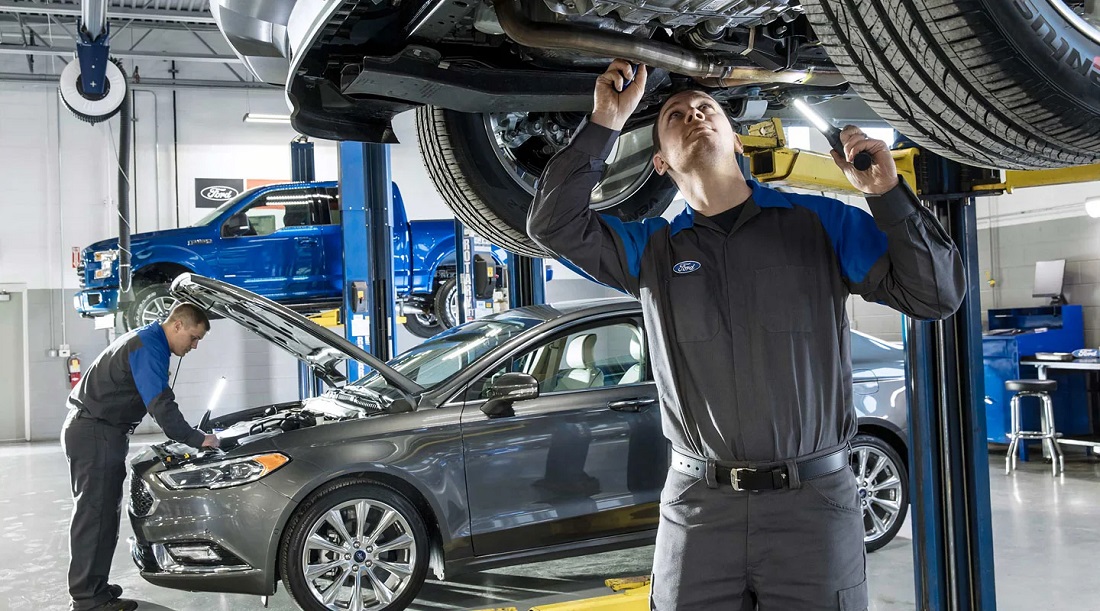
Car services refer to scheduled maintenance and repairs carried out by trained technicians to keep a vehicle in optimal condition. These services range from basic oil changes to comprehensive system checks, depending on mileage, age, and manufacturer recommendations.
Core Objectives of Car Servicing
-
Safety assurance for drivers and passengers
-
Performance optimization across engine, brakes, and suspension
-
Fuel efficiency through timely tune-ups
-
Extended vehicle lifespan with preventive care
Types of Car Services
1. Routine Maintenance Services
These are periodic checks performed at set intervals.
-
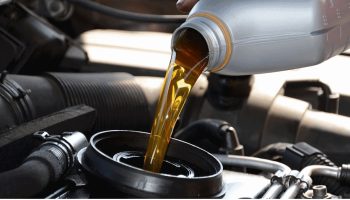
Oil and filter change
-
Fluid top-ups (coolant, brake, power steering)
-
Air and cabin filter replacement
-
Tire pressure check and rotation
2. Interim or Minor Services
Ideal for high-mileage drivers or older vehicles.
-
Battery health test
-
Brake inspection
-
Lights and wiper checks
-
Visual inspection of belts and hoses
3. Full or Major Services
Comprehensive inspections covering most vehicle systems.
-
Engine diagnostics
-
Brake system servicing
-
Suspension and steering checks
-
Exhaust and emissions testing
Why Regular Car Services Matter
Skipping scheduled servicing may save money short-term, but it often leads to bigger expenses later.
Key benefits include:
-
Reduced breakdown risk through early fault detection
-
Lower repair costs by fixing minor issues early
-
Better resale value with a documented service history
-
Improved driving comfort and smoother handling
How Often Should You Service Your Car?
Service intervals depend on driving habits, vehicle age, and manufacturer guidelines.
General recommendations:
-
Every 5,000–7,500 miles: Basic service
-
Every 12 months: Full inspection, even for low mileage
-
Before long trips: Safety and fluid checks
Always consult your owner’s manual for precise intervals.
Choosing the Right Car Service Provider
Selecting a trustworthy service center is just as important as servicing itself.
What to Look For
-
Certified technicians with experience in your vehicle type
-
Transparent pricing and clear service breakdowns
-
Genuine or OEM-approved parts
-
Positive customer reviews and service warranties
Dealership vs Independent Garage
-
Dealerships: Brand-specific expertise, higher costs
-
Independent garages: Competitive pricing, flexible service options
Cost of Car Services
Service costs vary based on location, vehicle model, and service type.
Average price range:
-
Basic service: Low to moderate cost
-
Interim service: Moderate cost
-
Full service: Higher cost due to extensive checks
Regular servicing helps avoid unexpected, expensive repairs.
Tips to Get the Most Out of Car Services
-
Keep a service log for maintenance history
-
Address warning lights immediately
-
Combine services when possible to save on labor
-
Ask for a post-service report to understand your car’s condition
Frequently Asked Questions (FAQs)
1. Is car servicing mandatory by law?
Car servicing itself isn’t legally required, but roadworthiness tests and safety standards must be met, which servicing helps ensure.
2. Can I service my car at any garage without voiding warranty?
Yes, as long as the garage follows manufacturer specifications and uses approved parts.
3. What happens if I delay my car service?
Delaying service can lead to reduced performance, higher fuel consumption, and potential mechanical failure.
4. Are service plans worth it?
Service plans can be cost-effective if you prefer predictable expenses and regular maintenance reminders.
5. Does car servicing improve fuel efficiency?
Yes, clean filters, fresh oil, and properly inflated tires contribute to better fuel economy.
6. How long does a typical car service take?
A basic service may take 1–2 hours, while a full service can take half a day.
7. Should electric cars be serviced regularly?
Absolutely. While they need less maintenance, checks on brakes, tires, software, and battery systems are still essential.