Engine overheating is one of the most common causes of vehicle breakdowns and long-term engine damage. Modern vehicles rely on a network of cooling system auto parts designed to regulate engine temperature, manage heat, and ensure reliable performance in all driving conditions. When these components work together correctly, they protect the engine from excessive heat that can lead to warped parts, blown gaskets, or complete engine failure.
Understanding how these parts function helps vehicle owners recognize early warning signs and maintain their cars more effectively.
Why Engine Overheating Happens
An engine generates intense heat during combustion. If that heat is not dissipated efficiently, temperatures rise beyond safe limits. Overheating usually occurs due to:
-
Insufficient coolant flow
-
Blocked or damaged cooling components
-
Failed temperature regulation
-
Poor airflow through the radiator
Cooling system auto parts are engineered to address each of these risks and maintain optimal operating temperatures.
Core Cooling System Auto Parts and Their Roles
Radiator: The Primary Heat Exchanger
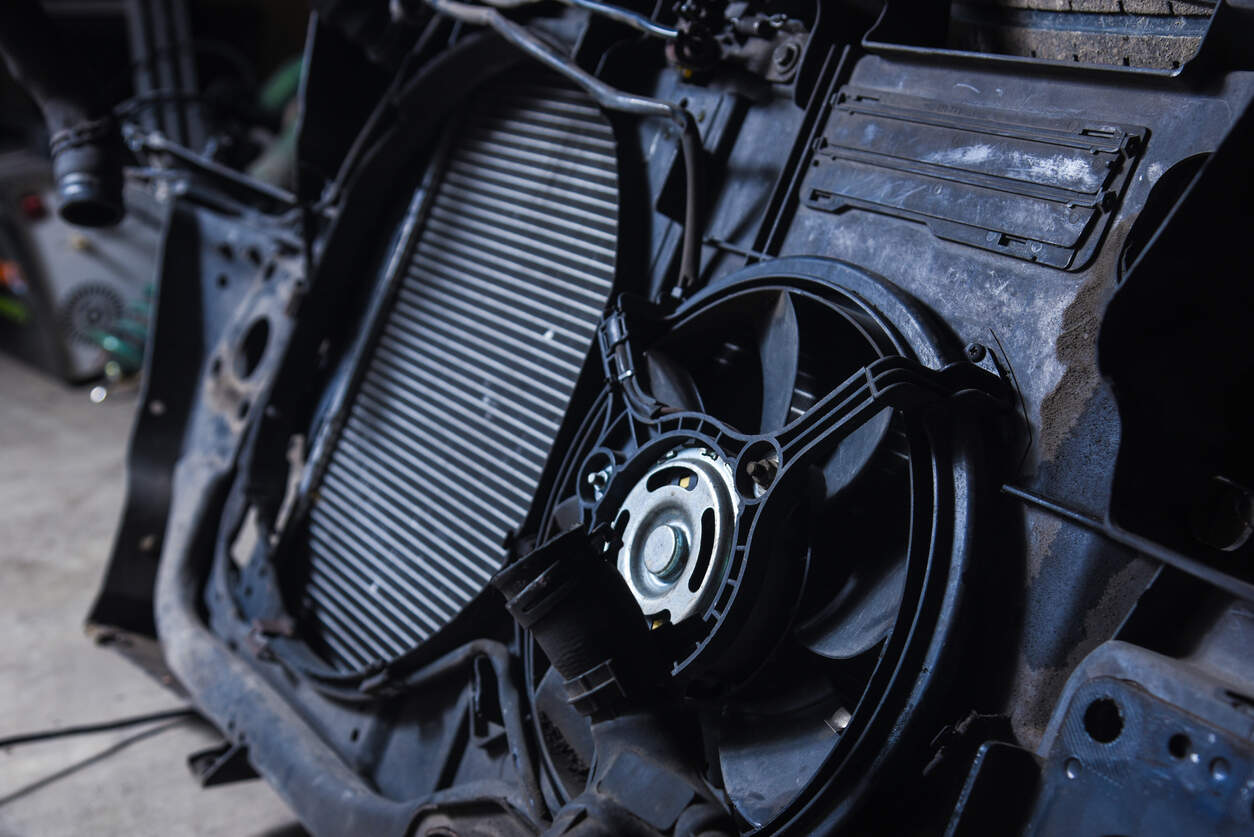
The radiator is responsible for releasing heat from the engine coolant into the surrounding air. Hot coolant flows through thin tubes, while air passing through the fins removes excess heat.
Key benefits include:
-
Prevents coolant from reaching boiling temperatures
-
Maintains consistent engine operating range
-
Supports fuel efficiency and emissions control
A clogged or leaking radiator significantly reduces heat dissipation, increasing the risk of overheating.
Water Pump: Circulating Coolant Continuously
The water pump acts as the heart of the cooling system. It circulates coolant between the engine, radiator, and heater core, ensuring even temperature distribution.
Without proper circulation:
-
Heat accumulates in the engine block
-
Coolant stagnates and loses effectiveness
-
Hot spots develop, stressing engine components
A failing water pump often causes sudden overheating, especially at higher speeds.
Thermostat: Regulating Temperature Flow
The thermostat controls when coolant flows to the radiator. It remains closed while the engine warms up and opens once optimal temperature is reached.
This regulation:
-
Prevents engine from running too cold or too hot
-
Improves fuel combustion efficiency
-
Reduces wear during cold starts
A stuck thermostat is a common but often overlooked cause of overheating.
Cooling Fan: Maintaining Airflow at Low Speeds
When a vehicle is stationary or moving slowly, natural airflow is limited. The cooling fan compensates by pulling air through the radiator.
Its role is crucial in:
-
Traffic and idle conditions
-
Hot climates
-
Towing or heavy-load driving
Fan motor or relay failure often leads to overheating in stop-and-go traffic.
Coolant and Hoses: Heat Transfer and Containment
Engine coolant absorbs heat and transfers it away from the engine. Hoses transport this coolant between system components.
Well-maintained coolant and hoses:
-
Prevent corrosion and scale buildup
-
Maintain proper pressure levels
-
Avoid leaks that reduce cooling efficiency
Old coolant or cracked hoses compromise the entire system’s performance.
How These Parts Work Together
Cooling system auto parts function as a closed-loop system:
-
Coolant absorbs heat from the engine
-
The water pump circulates heated coolant
-
The thermostat directs coolant flow
-
The radiator and fan dissipate heat
-
Cooled coolant returns to the engine
A failure in any single component can disrupt this balance and trigger overheating.
Signs Your Cooling System May Be Failing
Recognizing early symptoms helps prevent costly damage:
-
Rising temperature gauge
-
Steam from under the hood
-
Coolant leaks under the vehicle
-
Unusual engine noises
-
Sweet smell from leaking coolant
Prompt inspection of cooling system auto parts can stop minor issues from escalating.
Importance of Preventive Maintenance
Routine maintenance is the most effective way to avoid overheating problems. This includes:
-
Regular coolant flushes
-
Inspecting hoses and belts
-
Replacing worn thermostats
-
Checking radiator and fan operation
Proactive care extends engine life and improves overall reliability.
FAQ
What happens if I continue driving an overheating engine?
Continuing to drive can cause severe engine damage, including warped cylinder heads, blown head gaskets, and complete engine failure.
How often should engine coolant be replaced?
Most manufacturers recommend replacing coolant every 30,000 to 60,000 miles, depending on coolant type and driving conditions.
Can a bad radiator cap cause overheating?
Yes, a faulty radiator cap can prevent proper pressure buildup, allowing coolant to boil and reducing cooling efficiency.
Why does my car overheat only in traffic?
This usually indicates a failing cooling fan, fan relay, or restricted airflow through the radiator.
Is overheating more common in summer?
Higher ambient temperatures increase cooling demands, making existing weaknesses in the cooling system more noticeable.
Can low coolant levels trigger overheating quickly?
Yes, low coolant reduces heat absorption and circulation, causing rapid temperature spikes.
Are aftermarket cooling system parts reliable?
Quality aftermarket parts can be reliable if they meet manufacturer specifications and are installed correctly.