
Introduction
Beneath the elegance of every vehicle’s exterior exists an unseen marvel—a meticulously orchestrated system of auto parts. These components, in their silent operation, hold the keys to safety, durability, and performance. They deserve celebration not only for their utility but for the intricate engineering and innovation they embody. In this exploration, we uncover the sophisticated world of auto parts, offering clarity and appreciation for the architecture that enables every drive.
The Framework: Foundations of Strength and Direction
The Chassis – The Vehicle’s Backbone
-
The chassis provides the primary structure, bearing the stress of motion and supporting every other system.
-
Unibody and ladder frames offer distinct advantages—unibody construction is favored for rigidity and fuel efficiency, while ladder frames afford rugged durability for trucks and SUVs.
-
Integrated crumple zones and reinforcement beams distribute impact energy, providing a first—and often unseen—layer of safety.
Body Panels and Structure
-
Cars blend engineering artistry and protection through body panels: hoods, fenders, doors, and bumpers.
-
Materials range from traditional steel to lightweight aluminum and reinforced polymers, each chosen for unique balances of performance, protection, and charm.
-
Modern assembly nuances—tight panel gaps, hidden fasteners, and sculpted lines—speak to precision manufacturing and contribute to efficiency through fine-tuned aerodynamics.
The Pulse of Movement: Powertrain Excellence
Heart of the Machine – The Engine
-
Engines house an exquisite ballet of pistons, camshafts, timing chains, and valves to convert fuel (or electricity) into controlled motion.
-
Advances such as direct injection, turbocharging, and hybrid drive modules extract greater power from less fuel, embodying the relentless pursuit of efficiency without sacrifice.
-
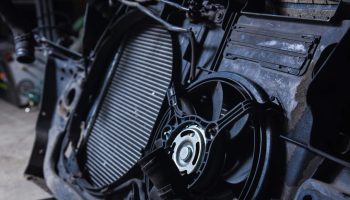
Ancillary systems—radiators, oil pumps, and electronic control units—work quietly in concert, protecting and managing the engine’s vital signs.
Transmission and Drivetrain
-
Transmissions, automatic and manual alike, translate raw power into smooth acceleration and adaptable speed.
-
Gearboxes, differentials, and constant velocity (CV) joints distribute torque across axles, adapting to changing terrain or driving conditions without fuss.
-
All-wheel- and four-wheel-drive systems, managed by sophisticated transfer cases, provide security on uncertain roads.
The Guardians: Mastering Safety and Control
Braking Assemblies
-
Modern braking systems merge hydraulic precision with advanced electronics—disc and drum brakes are now coupled with anti-lock braking systems (ABS) and electronic brake-force distribution.
-
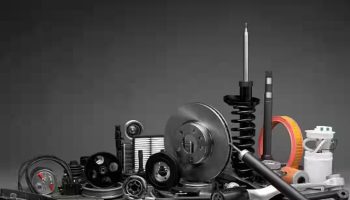
Brake pads, rotors, calipers, and master cylinders must harmonize to deliver progressive, reliable stops.
-
Automated emergency braking, now increasingly common, blends sensors and actuators to anticipate and mitigate risks before drivers can react.
Suspension and Steering
-
Shocks, struts, springs, and bushings insulate occupants from road harshness while maintaining tire contact and stability.
-
Suspension geometry—control arms, anti-roll bars, ball joints—curates the delicate interplay between comfort and cornering confidence.
-
Steering systems, from traditional hydraulic to electric power assist, convert subtle hand movements into effortless guidance.
The Silent Conveniences: Comfort, Climate, and Quietude
Interior Systems
-
HVAC (heating, ventilation, air conditioning) modules employ compressors, blowers, evaporators, and filters to ensure an ideal climate regardless of season.
-
Electric seat adjusters, lumbar supports, and multifunction steering wheels enhance bespoke comfort.
-
Central locking, power windows, and trunk releases rely on an elaborate array of small motors, relays, and microchips.
Sound, Light, and Visibility
-
Headlights have evolved from sealed beams to adaptive LEDs, offering crisp vision and lower energy consumption.
-
Sensors automate wipers, headlamp activation, and dimming, creating a serene, self-adjusting environment for drivers.
-
Acoustic materials inside doors, roof, and floor linings tame road and wind noises, elevating even the humblest ride.
The Digital Nerve: Electronics and Driver Assistance
Electronic Control Units and Sensor Arrays
-
Modern vehicles boast a multitude of interconnected control units governing everything from engine timing to seatbelt tension.
-
Sensors monitor speed, tire pressure, surroundings, and even passenger posture, offering real-time adjustments for both efficiency and safety.
-
Advanced driver-assistance systems (ADAS) integrate cameras, radar, and ultrasonics to provide features like blind-spot warnings, lane keeping, and adaptive cruise control.
Infotainment and Connectivity
-
Touchscreens, digital dashboards, and integrated navigation blend entertainment with vital vehicle data.
-
Voice recognition, smartphone projection, and wireless charging marry convenience with minimal distraction.
The Cycle of Renewal: Maintenance and Consumables
Regular Upkeep—The Unsung Heroes
-
Consumables such as oil, coolant, brake pads, filters, and wiper blades are the steady guardians of longevity.
-
Routine inspection and timely replacement prevent greater systemic failures, preserving performance and peace of mind.
-
Tires remain the only interface between vehicle and road; proper rotation, alignment, and inflation cannot be overstated.
Table: Core Auto Parts and Their Quiet Significance
| Auto Part | Principal Function | Subtle Nuance |
|---|---|---|
| Chassis | Structural support | Sets the foundation for dynamics |
| Engine | Power generation | Optimized for efficiency, smoothness |
| Transmission | Modulates and distributes power | Seamless gear transitions |
| Suspension | Comfort and stability | Adapts to terrain and driving style |
| Brakes | Stopping and control | Integrated safety features |
| ECU & Sensors | System coordination | Anticipates needs and hazards |
| Interior Features | Comfort and convenience | Customizability and quiet operation |
| Tires | Grip and command | Influences handling, economy |
Innovation and Customization: Personalization in Parts
-
The aftermarket world enables drivers to enhance performance, personalization, or comfort—upgraded air filters, suspensions, infotainment systems, and bespoke trim elements allow unique expression.
-
Eco-conscious consumers increasingly opt for remanufactured or recycled components, merging responsibility with economy.
Selecting with Intelligence
-
Genuine (OEM) parts provide assurance of fit and reliability, especially for critical systems.
-
Reputable suppliers and certified installers safeguard warranty and safety, particularly for safety, powertrain, and electronic upgrades.
-
For enthusiasts, professional advice balances innovation with integrity, ensuring upgrades enhance rather than compromise the vehicle.
Conclusion
Respecting auto parts means honoring the invisible craft, insight, and evolution embedded in every mile. Each drive is guided by an assembly forged from relentless experimentation, global expertise, and quiet genius. Informed stewardship—through mindful choice, attentive care, and a dash of personalization—ensures that every vehicle remains more than transport: it becomes an enduring testament to discipline, ingenuity, and tasteful pride on the open road.